📋 In This Article
Construction is responsible for 39% of global CO₂ emissions — and India is the world's second largest construction market. Choosing recycled and low-embodied-carbon materials for new buildings can dramatically reduce this impact.
Fly Ash Bricks
Fly ash is a byproduct of thermal power plants — India produces 200 million tonnes annually, much of which goes to waste. Fly ash bricks are 20% stronger than conventional fired clay bricks, require no firing (saving energy), consume industrial waste, and are widely available across India at comparable prices.
Reclaimed Wood and Bamboo
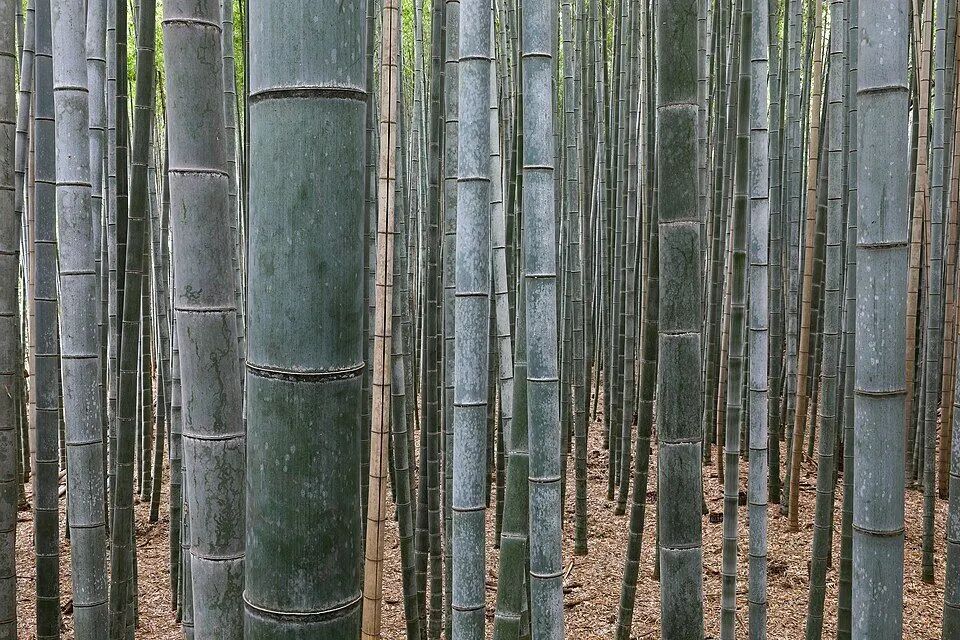
Reclaimed teak, rosewood, and other hardwoods from demolished buildings have decades of use remaining and are often more beautiful than new wood. Bamboo — a grass that reaches full structural maturity in 3 years — is stronger than steel per unit weight and is increasingly used for structural applications, flooring, and panelling.
Recycled Steel and Aluminium
Recycled steel produces 75% less CO₂ than primary steel production. India has a well-developed steel recycling sector through sponge iron and electric arc furnace production. Specify recycled-content steel in structural elements — this is now standard practice in green building specifications.
Alternative Cementing Materials
Portland cement production is responsible for 8% of global CO₂ emissions. Geopolymer cement (using fly ash or slag as the binder instead of clinker) reduces cement's carbon footprint by 40–80%. Compressed Stabilised Earth Blocks (CSEB) use local soil with 5% cement stabilisation — virtually zero embodied energy construction.
Conclusion
Green construction is not more expensive — in many cases recycled materials like fly ash bricks and bamboo are cheaper than conventional alternatives while producing far lower environmental impact. The key is specifying them intentionally.