India's trees are woven into its culture and medicine — neem as the village pharmacy, the banyan as the national tree, peepal and bael at every temple. These profiles cover each tree's uses, its place in tradition, and practical planting advice, including which ones should never be planted near buildings.
Showing 11 plants
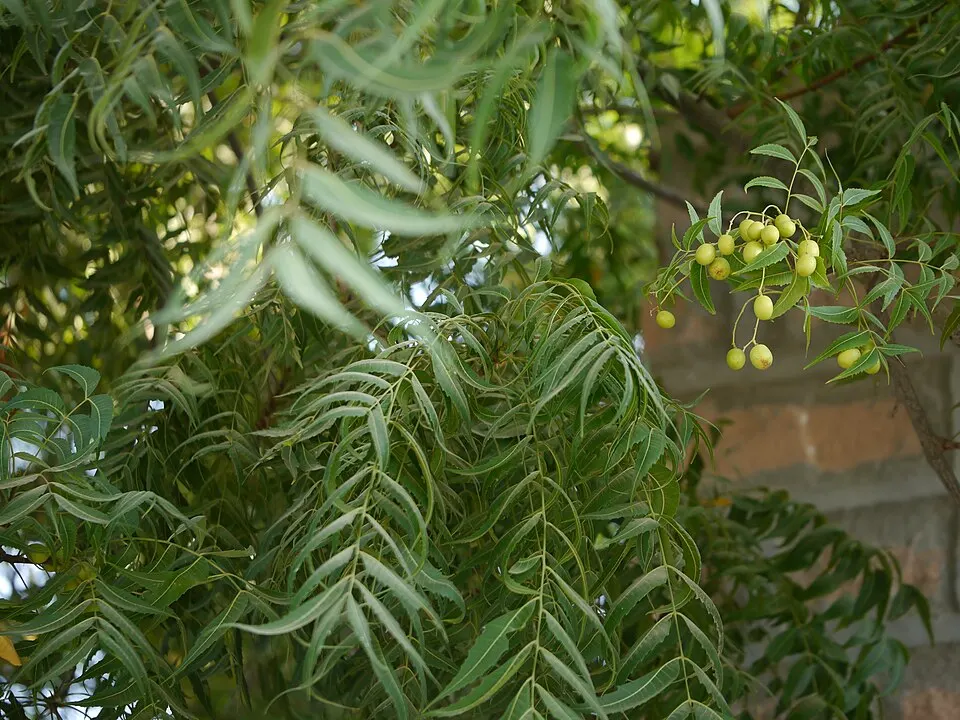
Neem
Azadirachta indica
The village pharmacy of India — antimicrobial, antifungal, and purifying in nature.
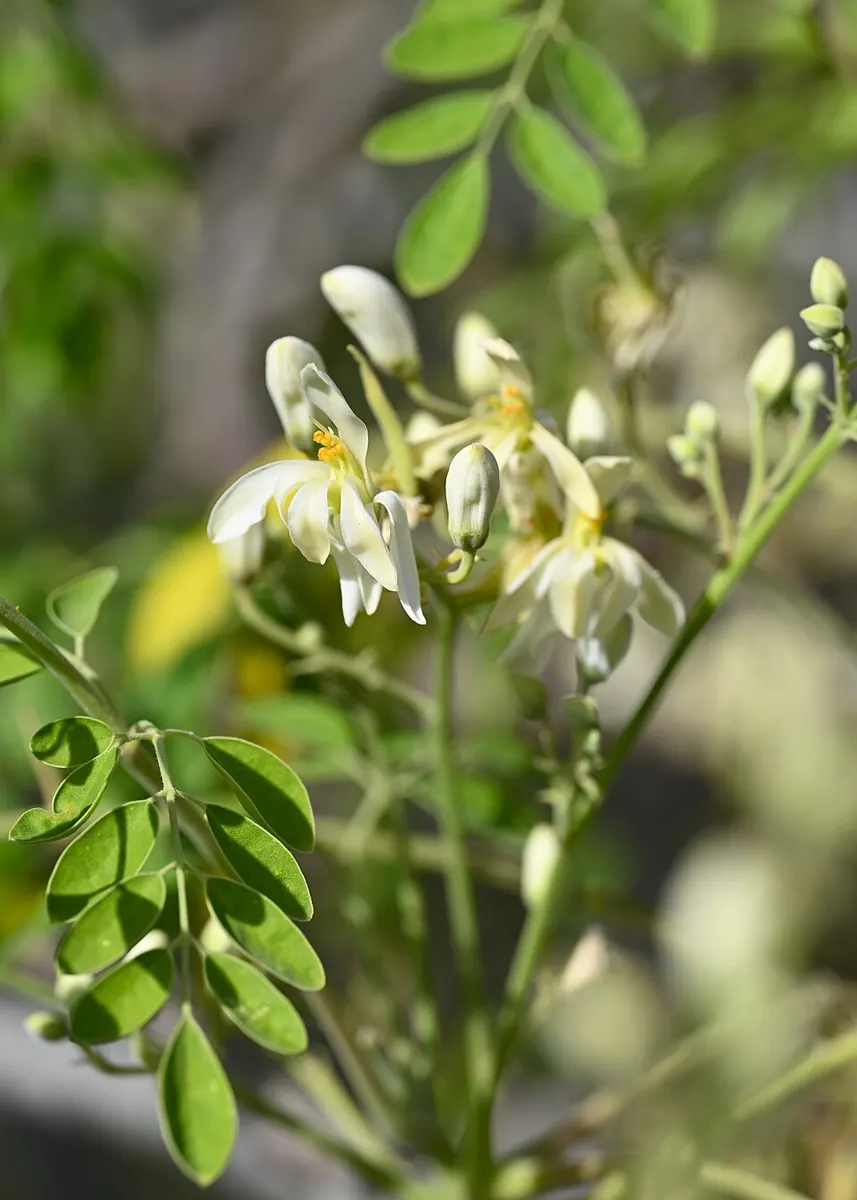
Moringa (Drumstick Tree)
Moringa oleifera
Superfood tree packed with nutrients, vitamins, and medicinal compounds.

Banyan Tree
Ficus benghalensis
India's national tree — a sacred, long-lived giant with aerial roots used in traditional medicine.

Peepal (Sacred Fig)
Ficus religiosa
One of the world's most sacred trees — revered in Buddhism and Hinduism, rich in medicinal value.
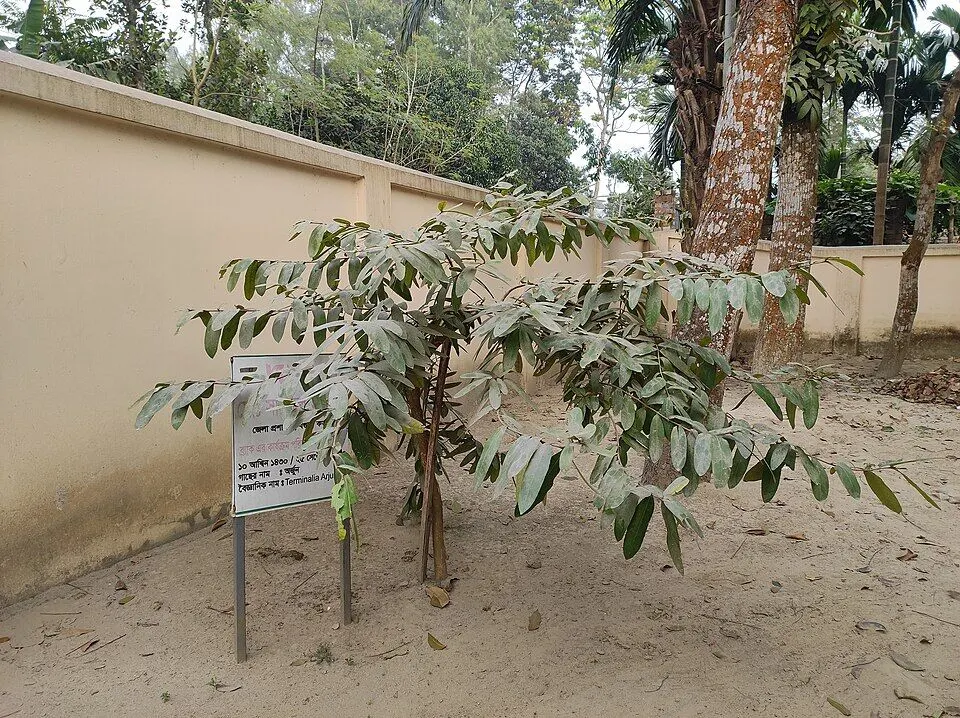
Arjuna Tree
Terminalia arjuna
Ayurveda's premier cardiac tonic — the bark of the Arjuna tree supports heart health naturally.

Sandalwood (Chandan)
Santalum album
Precious fragrant wood prized for centuries in Ayurveda, perfumery, and spiritual practice.

Bael (Bilva)
Aegle marmelos
Sacred fruit tree of Shiva — bael fruit juice is a powerful remedy for gut health and diabetes.

Jamun (Indian Blackberry)
Syzygium cumini
Dark purple Indian fruit tree revered for its anti-diabetic seeds and antioxidant-rich berries.

Coconut Palm
Cocos nucifera
The tree of life — every part of the coconut palm has nutritional, medicinal, or practical use.
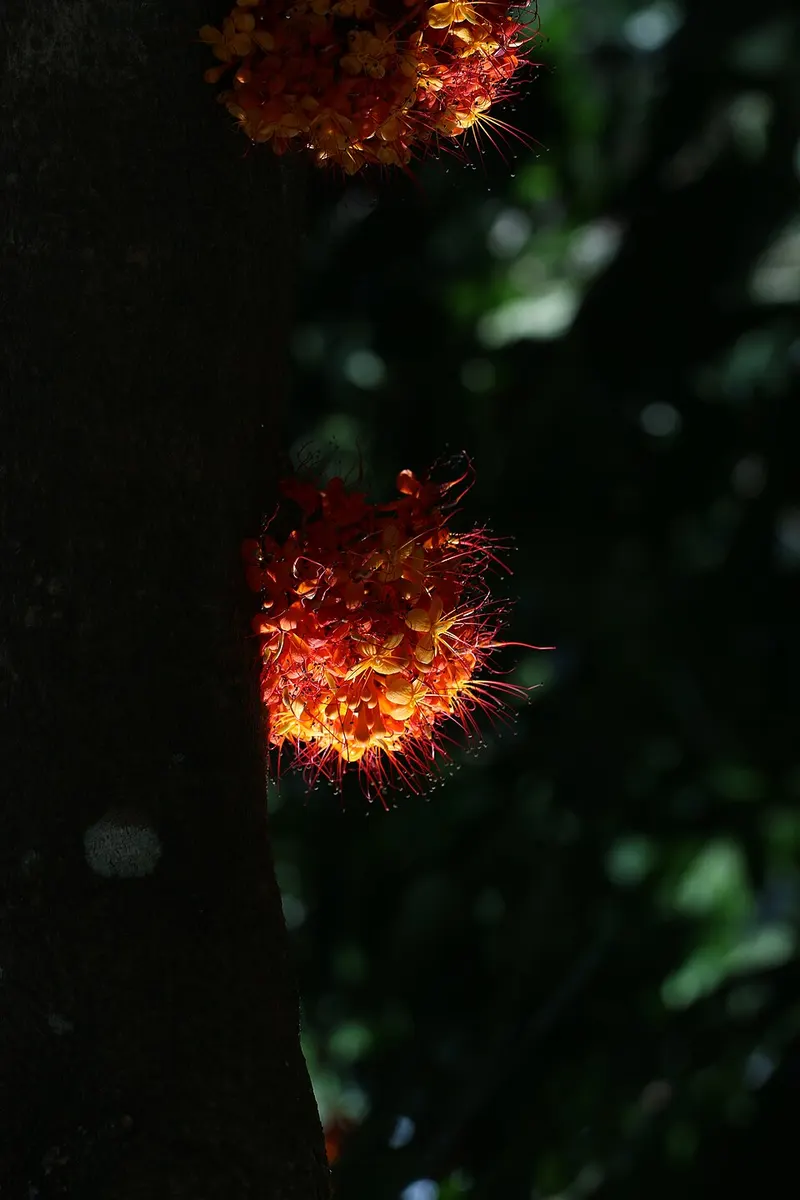
Ashoka Tree
Saraca asoca
Sacred tree of India — a key Ayurvedic remedy for women's reproductive health.

Mango Tree
Mangifera indica
The king of fruits — the mango tree offers delicious fruit plus medicinal bark, leaves, and seeds.