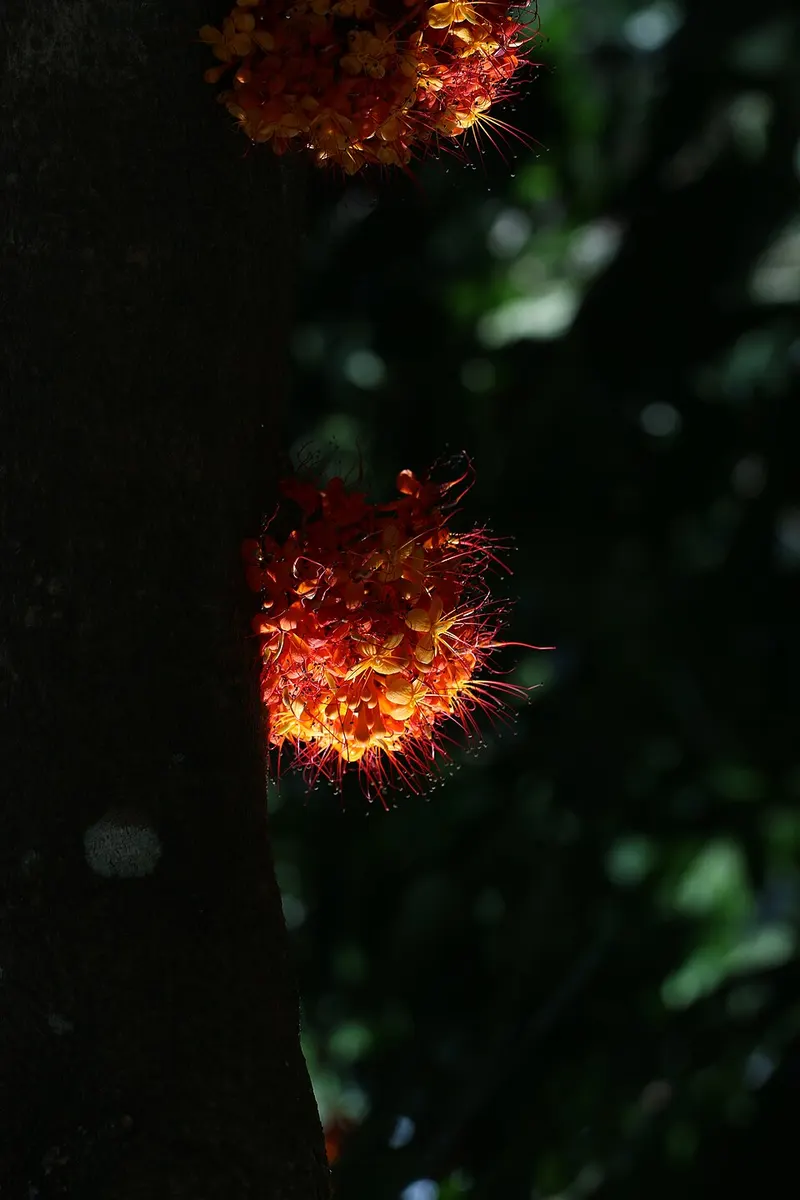
Photo: V C Balakrishnan / Wikimedia Commons (CC BY-SA 4.0)
Ashoka Tree (Saraca asoca): Sacred tree of India — a key Ayurvedic remedy for women's reproductive health.
🔍 Quick Facts
| Common name | Ashoka Tree |
| Other names | Ashok, Sita Ashok (Hindi); Asogam (Tamil); Ashokamu (Telugu) |
| Scientific name | Saraca asoca |
| Plant family | Fabaceae (legume family) |
| Size | 6–10 m evergreen tree |
| Native region | India, Sri Lanka |
| Climate | Tropical |
| Ease of growing | Moderate |
| Parts used | Bark, Flowers, Leaves |
About Ashoka Tree
True Ashoka (Saraca asoca) is a small, spreading tree with clusters of orange-red flowers — and is different from the tall, column-shaped "false ashoka" (Polyalthia longifolia) planted along Indian roads. Its name means "without sorrow", and Sita is said to have been held under an ashoka tree in Lanka. Its bark is the main ingredient of Ashokarishta, a classical Ayurvedic tonic for women. Over-harvesting has made it vulnerable in the wild.
Botanically known as Saraca asoca, it belongs to the Fabaceae family. It is native to India, Sri Lanka and grows best in a tropical climate. The parts most often used are the bark, flowers and leaves.
Traditional & Ayurvedic Uses
Ashoka Tree is best known for:
- Women's health
- Menstrual disorders
- Uterine tonic
- Anti-inflammatory
- Skin care
Most of these uses come from Ayurveda and folk medicine. Where we know of good clinical evidence, or of a specific safety concern, we say so in the overview, precautions and FAQs on this page.
How Ashoka Is Used
- Bark decoction is the base of Ashokarishta, used for menstrual complaints.
- Flowers are used in traditional preparations.
- Planted as an ornamental and sacred tree near temples.
How to Grow Ashoka Tree
| ☀️ Sunlight | Partial shade to full sun. |
| 💧 Watering | Regular; prefers moist conditions. |
| 🪴 Soil | Rich, moist, well-drained soil. |
| 🌱 Propagation | Fresh seeds sown in the monsoon. |
| 📅 When to plant (India) | Plant June–August. Flowers January–April. |
| 🏡 In pots / at home | Young plants can be grown in large containers for several years. |
Precautions & Safety
- Avoid in pregnancy.
- Much Ashoka bark in the market is adulterated with Polyalthia longifolia bark.
- Use medicinally only under an Ayurvedic practitioner.
Frequently Asked Questions
Written by the WhyOnPlanet editorial team · Last updated October 2026