🌿 Nature • Ayurveda • Wellness

Ayurvedic Plants, Medicinal Herbs & Gardening Guides for India

Learn what each plant is used for, how to grow it at home, and what to watch out for — from tulsi and neem to turmeric, amla and ashwagandha.

Explore Plants Read Articles
99Plant Profiles
50Gardening Guides
201Articles
10Plant Categories

Browse by Category

From sacred herbs to towering timber trees — explore every corner of the plant kingdom.

Popular Ayurvedic Plants

Start with the plants Indian households know best — and learn how to grow and use them safely.

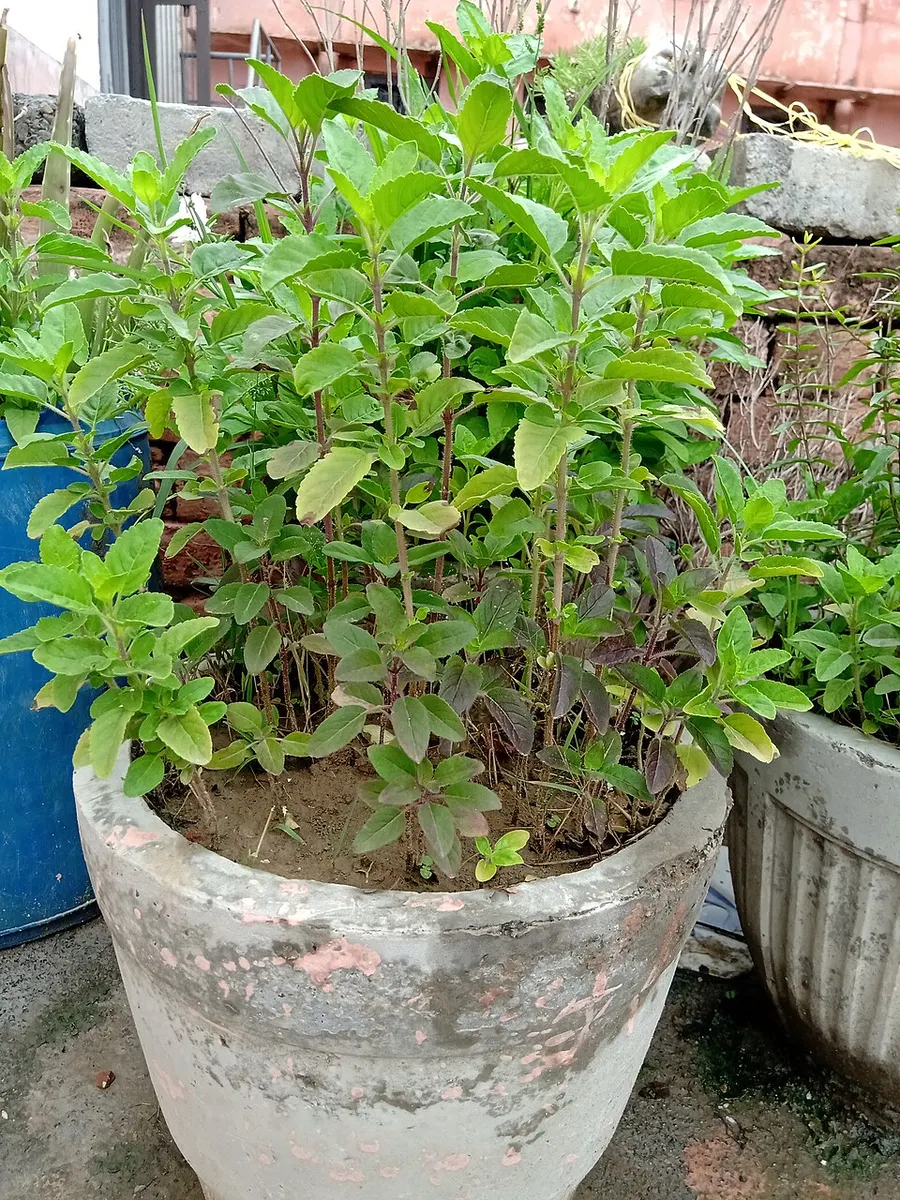
Tulsi (Holy Basil) (Ocimum tenuiflorum)
Herbs

Tulsi (Holy Basil)

Sacred herb of Ayurveda known for immunity, stress relief, and respiratory support.

Learn More
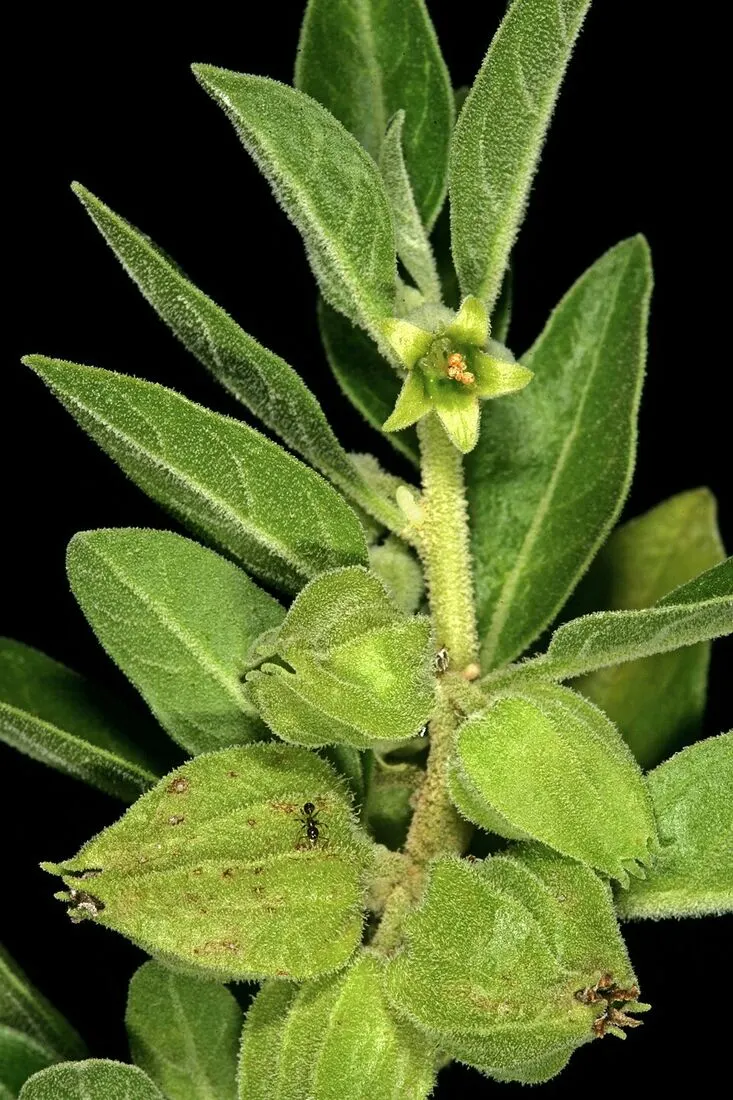
Ashwagandha (Withania somnifera)
Medicinal

Ashwagandha

Powerful adaptogen that fights stress, boosts energy, and supports overall vitality.

Learn More
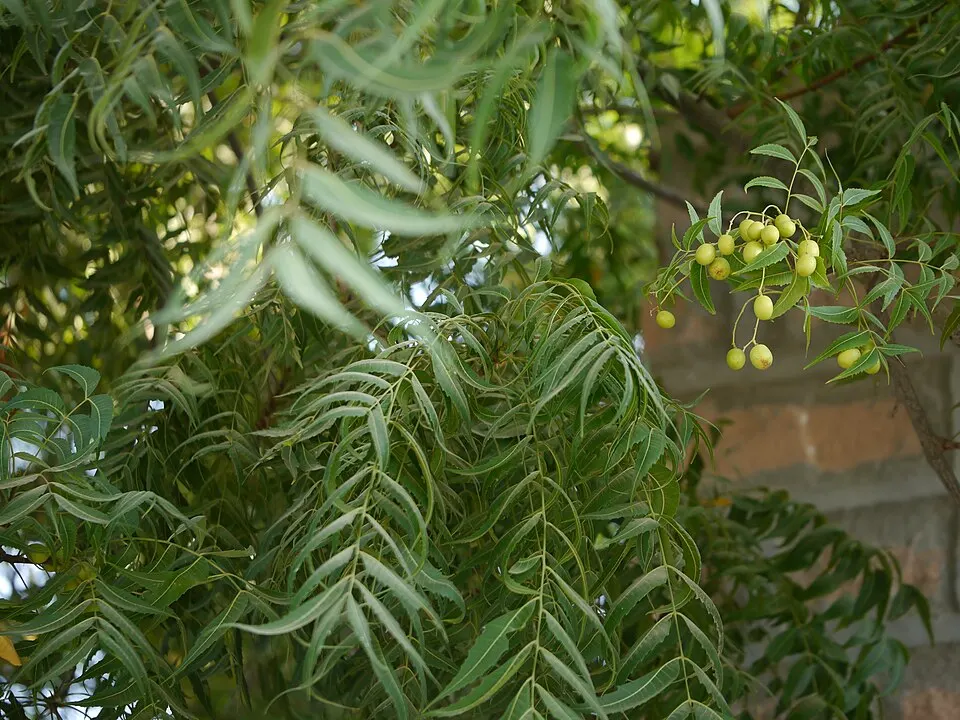
Neem (Azadirachta indica)
Trees

Neem

The village pharmacy of India — antimicrobial, antifungal, and purifying in nature.

Learn More
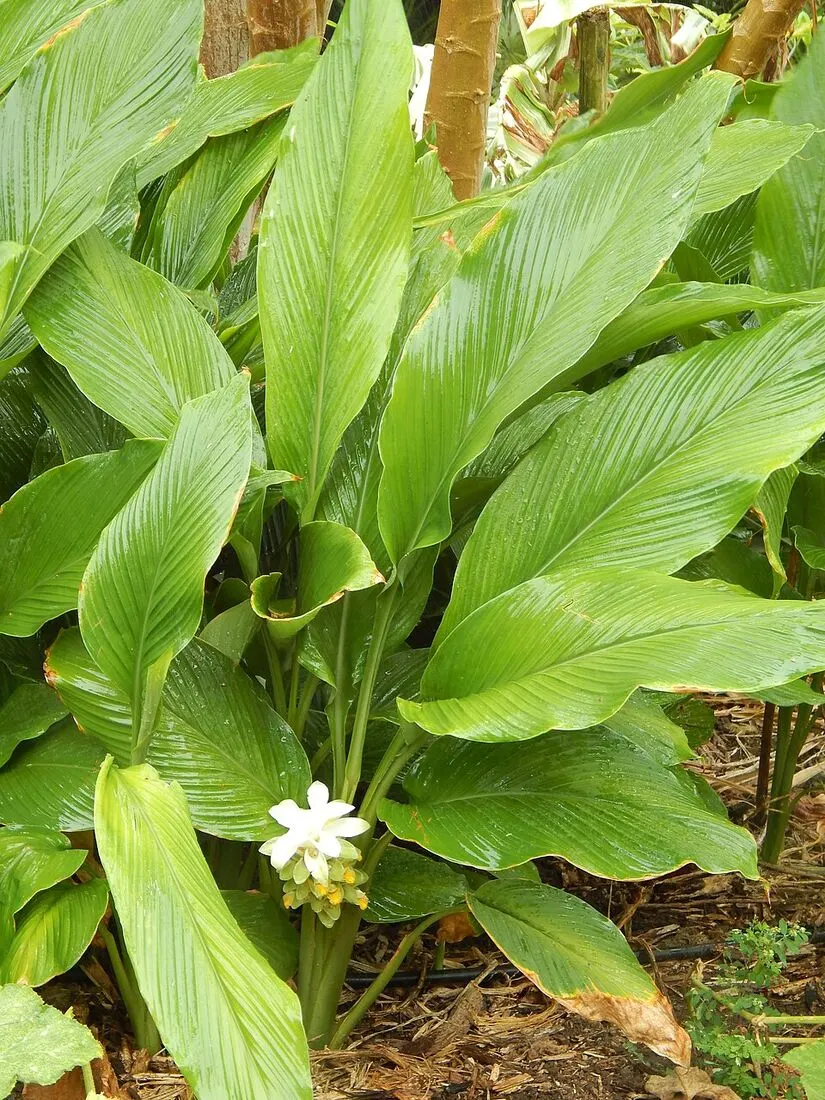
Turmeric (Curcuma longa)
Spices

Turmeric

Golden spice with potent anti-inflammatory and antioxidant properties.

Learn More
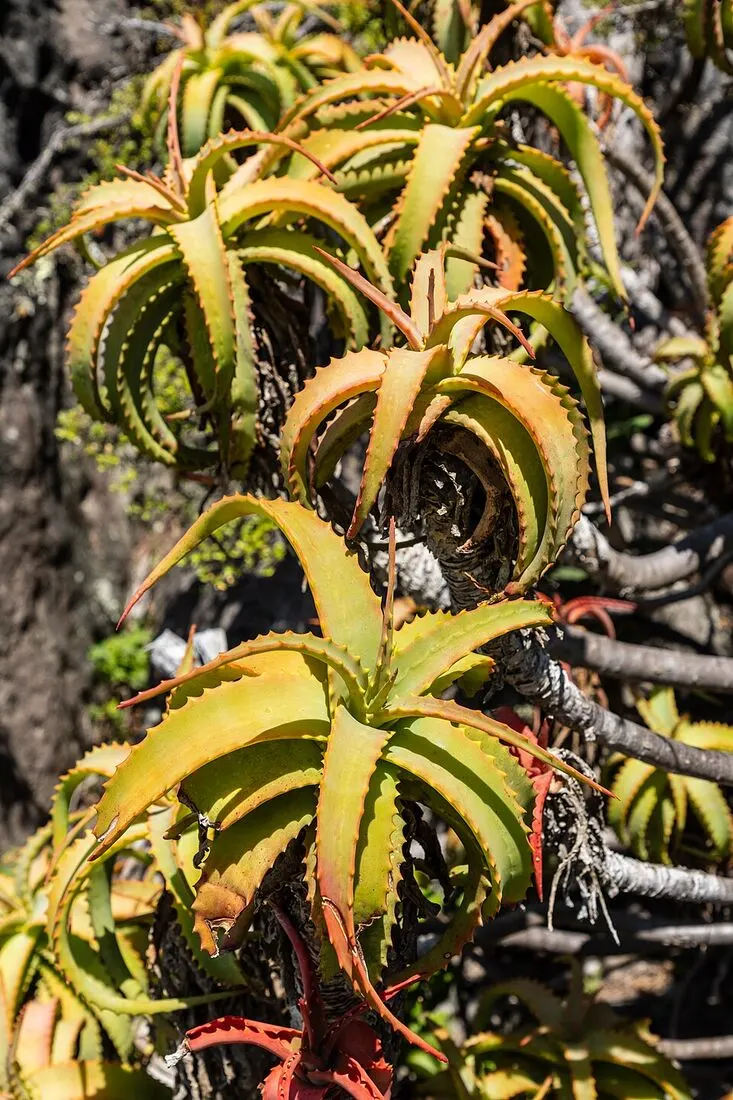
Aloe Vera (Aloe barbadensis miller)
Medicinal

Aloe Vera

Versatile succulent prized for skin healing, digestion, and hydration.

Learn More
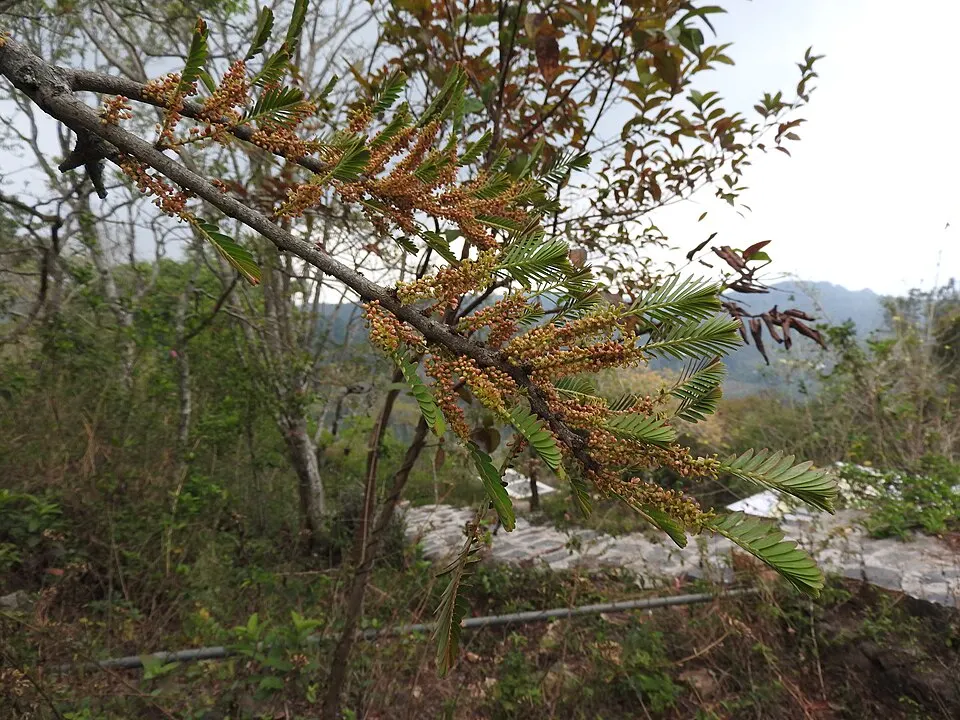
Amla (Indian Gooseberry) (Phyllanthus emblica)
Fruit

Amla (Indian Gooseberry)

Richest natural source of Vitamin C — a cornerstone of Ayurvedic rejuvenation therapy.

Learn More

Explore More on WhyOnPlanet

Beyond plants — dive into gardening, environment, wellness, and nature exploration.

Latest from the Blog

In-depth guides, seasonal care tips, and Ayurvedic wisdom for modern living.

Seasonal Care Guides

October–November Garden Care: Preparing for Winter

Pruning, mulching, and planting for cooler months — the most important garden tasks of the year.

Seasonal Care Guides

Monsoon Gardening: Dos & Don'ts for the Rainy Season

Protect your garden from waterlogging, fungal disease, and pests during India's monsoon season.

Seasonal Care Guides

Kharif Season Guide: What to Sow in June–July

Monsoon-season crops — rice, maize, beans, gourds — planting and care guide for home gardeners.

Why WhyOnPlanet?

We believe nature holds the answers. Our mission is to make plant wisdom accessible to everyone.

⚖️

Safety First

Every medicinal plant profile lists precautions, drug interactions and who should avoid it.

🇮🇳

Made for India

Sowing seasons, local names and growing advice written for Indian climates and homes.

🌍

Planet-First

We promote sustainable living, conservation and eco-conscious choices.

Frequently Asked Questions

Quick answers to the most common questions about Ayurvedic plants, herbs, and gardening.

WhyOnPlanet is an educational resource dedicated to Ayurvedic plants, medicinal herbs, gardening, wellness, and eco-friendly living. We publish 99 detailed plant profiles — uses, safety notes and growing guides for Indian conditions — plus 201 articles on gardening, wellness, environment and nature travel.
Easy-to-grow Ayurvedic herbs include Tulsi (Holy Basil), Aloe Vera, Ashwagandha, Brahmi, Lemon Grass, Curry Leaf, and Giloy. Most thrive in pots on a sunny balcony or windowsill with minimal care.
Ashwagandha (Withania somnifera) is widely regarded as the most powerful adaptogenic herb in Ayurveda, prized for reducing stress, boosting immunity, and improving energy levels. Tulsi and Neem are equally celebrated for broad-spectrum healing properties.
Start by choosing 3–5 easy herbs like Tulsi, Aloe Vera, and Mint. Use well-draining soil in medium pots, place them in a sunny spot receiving at least 4–6 hours of light, water moderately, and avoid overwatering. Harvest regularly to encourage new growth.
Most Ayurvedic herbs are safe when used in culinary or moderate amounts. However, concentrated extracts, capsules, or medicinal doses may interact with medications or be unsafe during pregnancy. Always consult a qualified Ayurvedic practitioner or healthcare provider before using herbs medicinally.
In Ayurveda, herbs (Oshadhi) are small, soft-stemmed plants like Tulsi and Brahmi used primarily for medicinal purposes. Shrubs are woody multi-stemmed plants like Ashwagandha and Hibiscus. Trees like Neem, Peepal, and Arjuna are revered as sacred and yield bark, leaves, and fruits used in healing.