Photo: Rihaz Ramzaan / Wikimedia Commons (CC BY-SA 4.0)
📋 In This Article
India's monsoon (June–September) transforms gardens overnight — a blessing of water and cooler temperatures, but also a challenge of waterlogging, fungal disease, and pest pressure that can undo months of careful cultivation.
Pre-Monsoon Preparation
Before the rains: improve drainage in all beds by adding coarse sand or perlite. Stake tall plants and tie them securely to prevent wind damage. Dethatch and aerate lawns to help rainwater penetrate rather than pool. Apply a preventive copper fungicide spray to susceptible plants.
- Improve soil drainage with sand or perlite
- Stake and support tall plants
- Install drainage channels in low-lying beds
- Remove dead or weak branches that could break in storms
Managing Waterlogged Soil
Waterlogged roots rot within 48–72 hours. If beds flood, create emergency drainage channels to divert water away. Raise containers on bricks or stands to prevent sitting in water. Never dig or disturb waterlogged soil — it compacts and damages soil structure.
Monsoon Pest & Disease Management
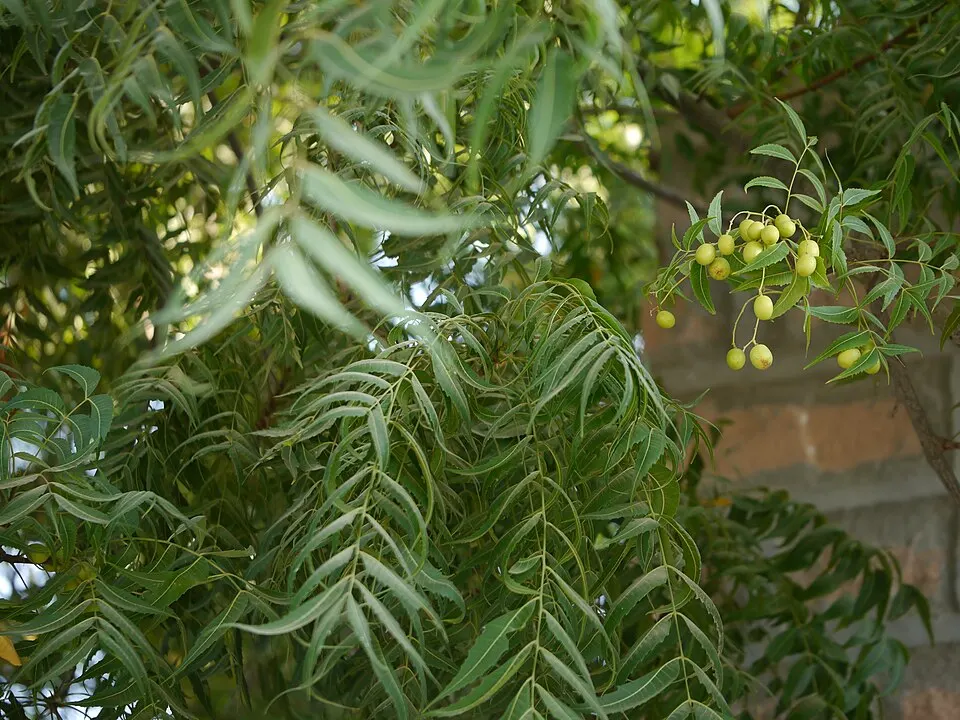
Fungal diseases (powdery mildew, black spot, downy mildew) explode in monsoon humidity. Apply neem oil spray every 7 days preventively. Slugs and snails emerge in large numbers — use copper barriers or handpick at night. Reduce nitrogen fertilisation as lush soft growth attracts pests.
What to Plant in Monsoon
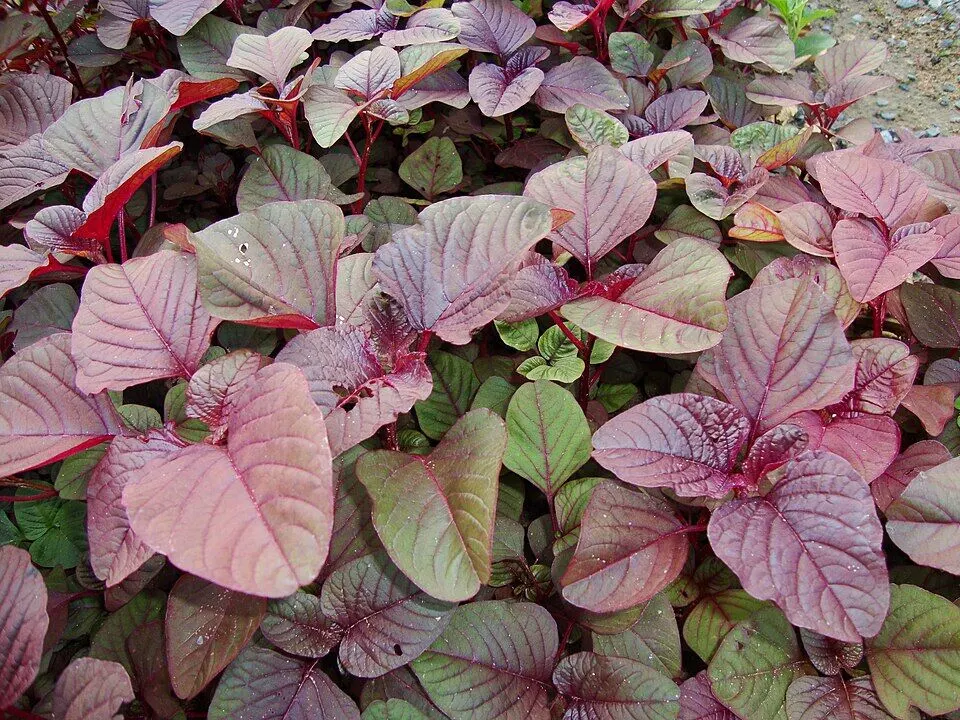
Monsoon is the best time to plant perennial shrubs, trees, and climbers — the rain establishes them without irrigation effort. Leafy greens (spinach, amaranth), beans, and cucumbers grow explosively in monsoon soil. Avoid planting fine seedlings or grafted plants in heavy rain periods.
Conclusion
The monsoon is not an obstacle — it's gardening on easy mode if you're prepared. Drainage, preventive fungal management, and the right crops turn India's rainy season into the most productive 3 months of the gardening year.