Photo: Rihaz Ramzaan / Wikimedia Commons (CC BY-SA 4.0)
📋 In This Article
Winter (November–February) is the golden season for Indian gardening — cool nights and pleasant days create ideal growing conditions for the widest range of vegetables, herbs, and flowers. In North India, frost protection is the only challenge.
Best Winter Vegetables for India
Winter is when Indian vegetable gardens are most productive and diverse.
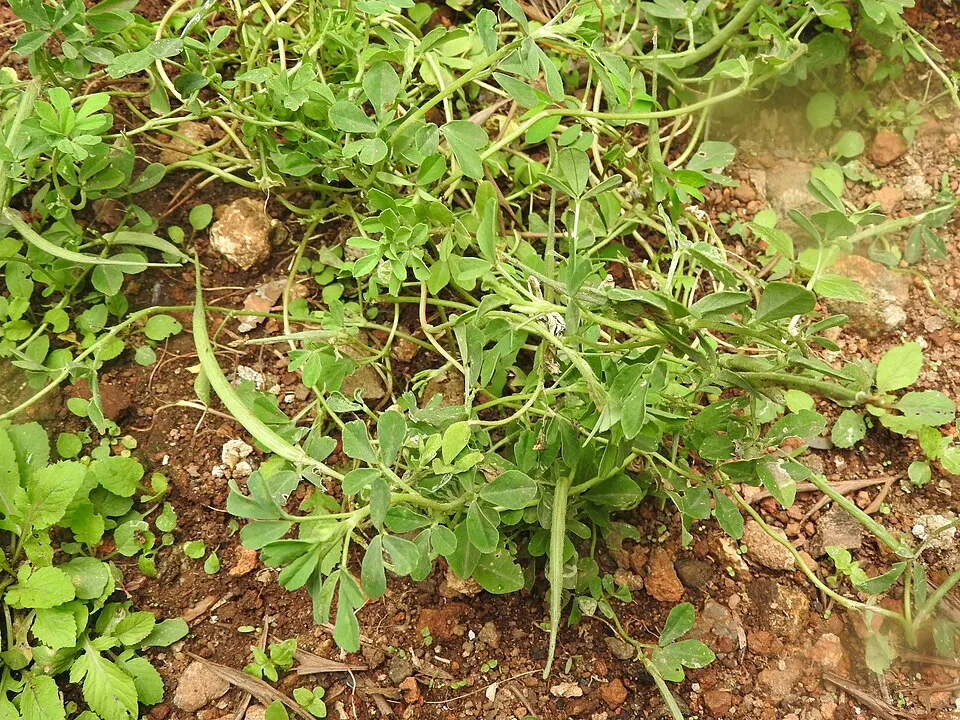
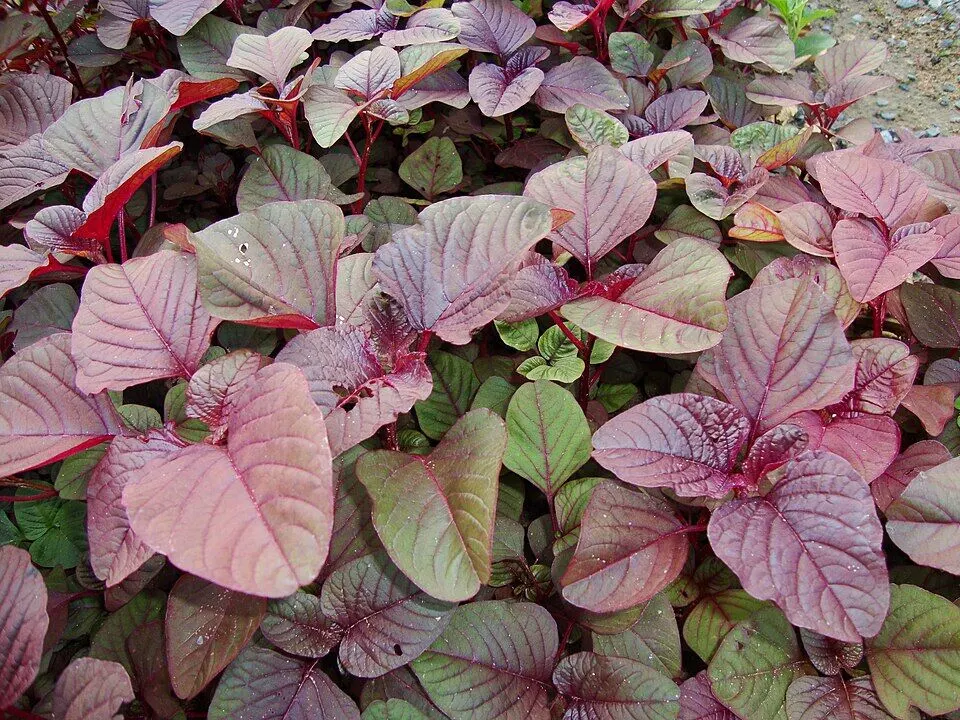
- Leafy greens: spinach, fenugreek, amaranth, mustard
- Brassicas: cauliflower, cabbage, broccoli, kohlrabi
- Root vegetables: carrots, radishes, turnips, beetroot
- Peas and beans: garden peas, snow peas, broad beans
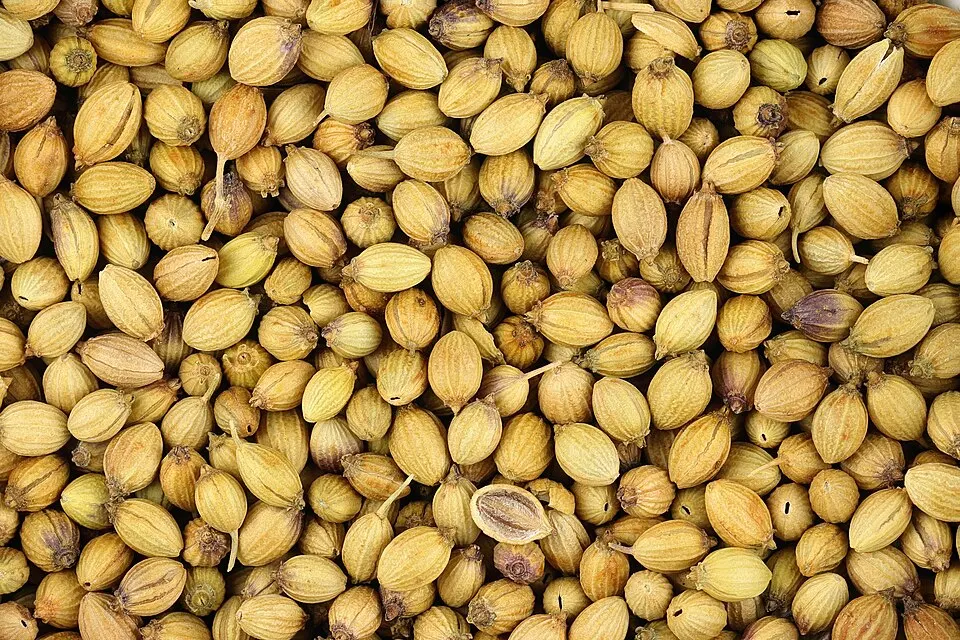
- Herbs: coriander, dill, fennel — all thrive in cool weather
Frost Protection in North India
In Himalayan foothills and North India plains, overnight temperatures can drop to 0–5°C in January. Cover tender plants with frost cloth (agro-textile), old sarees, or plastic sheeting overnight. Remove covers in the morning. Mulch heavily around root vegetables and garlic to insulate soil.
Winter Flowers
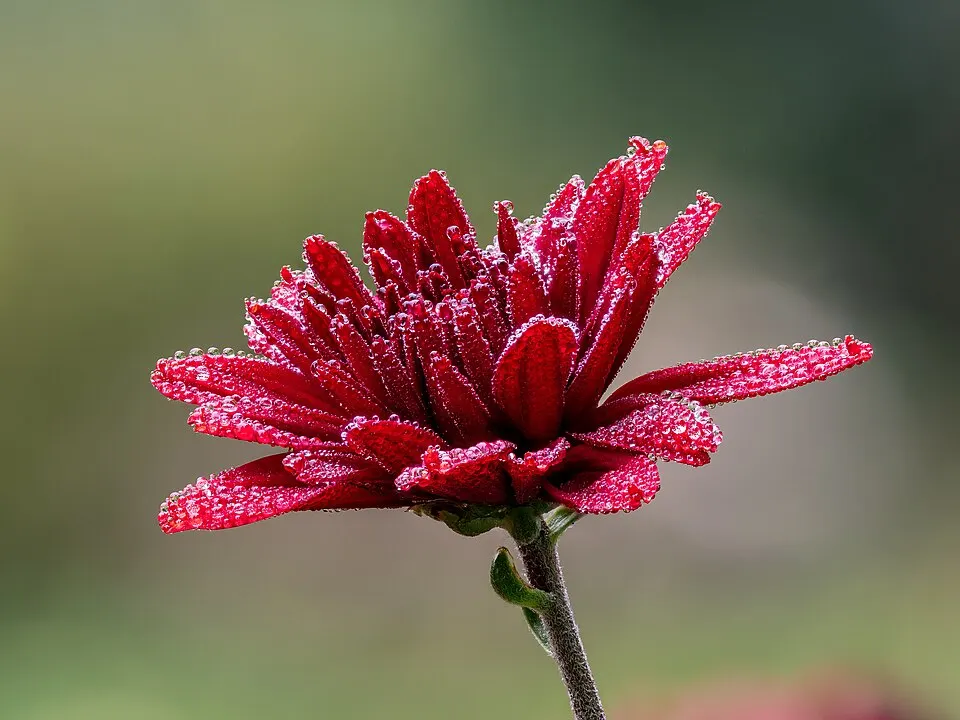
India's most spectacular garden flowers bloom in winter. Chrysanthemum, Pansy, Petunia, Dianthus, Alyssum, Hollyhock, Larkspur, and Sweet William all peak in November–February. Plant in October and enjoy months of colour through the coolest part of the year.
Reduced Maintenance in Winter
Plants grow more slowly in winter, so watering frequency reduces significantly — most outdoor plants need water only every 3–5 days. Reduce or stop fertilising except for fast-growing leafy greens and container plants. Weeds grow slowly too, making winter the easiest maintenance season.
Conclusion
Indian winters offer the most comfortable gardening conditions of the year. Embrace the cool-season crops, protect against frost in northern regions, and enjoy a garden that almost grows itself.