Photo: Rihaz Ramzaan / Wikimedia Commons (CC BY-SA 4.0)
📋 In This Article
Rabi is India's winter crop season (October–March) — the most diverse and productive growing window for vegetables, herbs, and grain crops. Cool temperatures produce sweeter, crisper vegetables than any other time of year.
Key Rabi Crops and Sowing Times
October: sow peas, spinach, fenugreek, radish, and mustard directly. November: transplant cauliflower, cabbage, and broccoli seedlings. November–December: plant onion sets and garlic cloves. December–January: last window for root vegetables like carrots and turnips.
Soil and Fertiliser for Rabi Crops
After the monsoon, soil is often nitrogen-depleted. Apply vermicompost or well-rotted cow dung manure and mix into the top 6 inches. For heavy feeders like cauliflower and cabbage, side-dress with nitrogen fertiliser 3 weeks after transplanting. Keep soil consistently moist but not waterlogged.
Root Vegetable Success Tips
Carrots, radishes, and turnips need deep, loose, stone-free soil to develop properly. Compact or stony soil produces forked, stunted roots. Loosen beds to 30 cm deep and remove stones. Sow seeds directly — root vegetables hate transplanting. Thin seedlings to 5–8 cm apart for full-sized roots.
Winter Herb Production
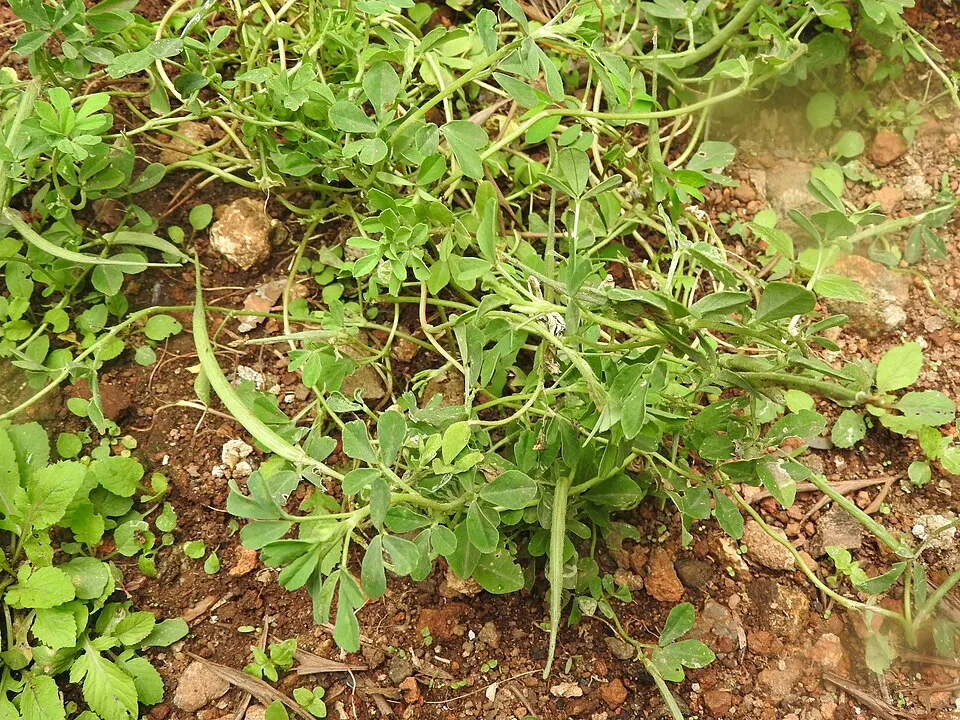
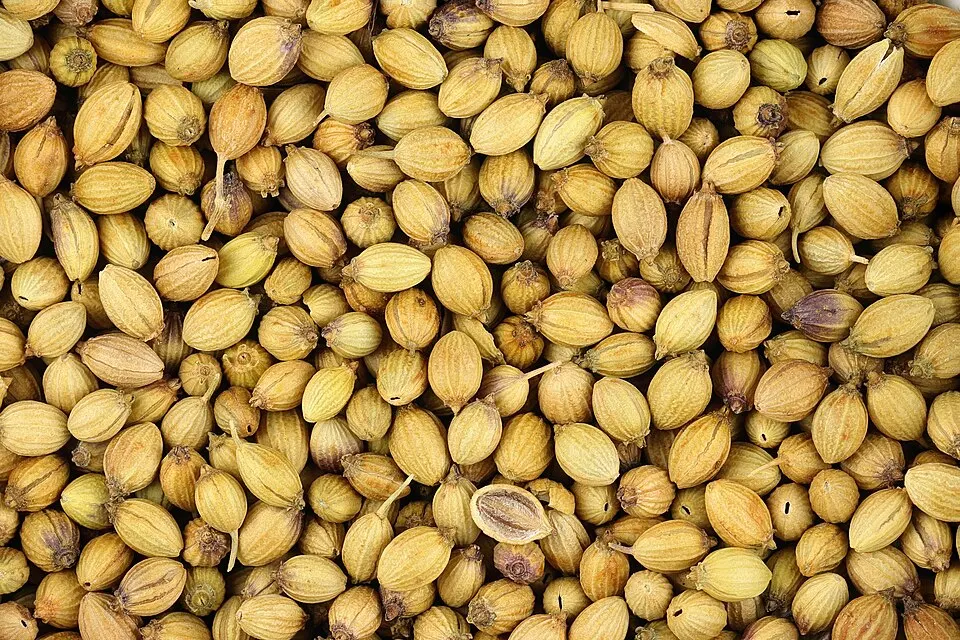
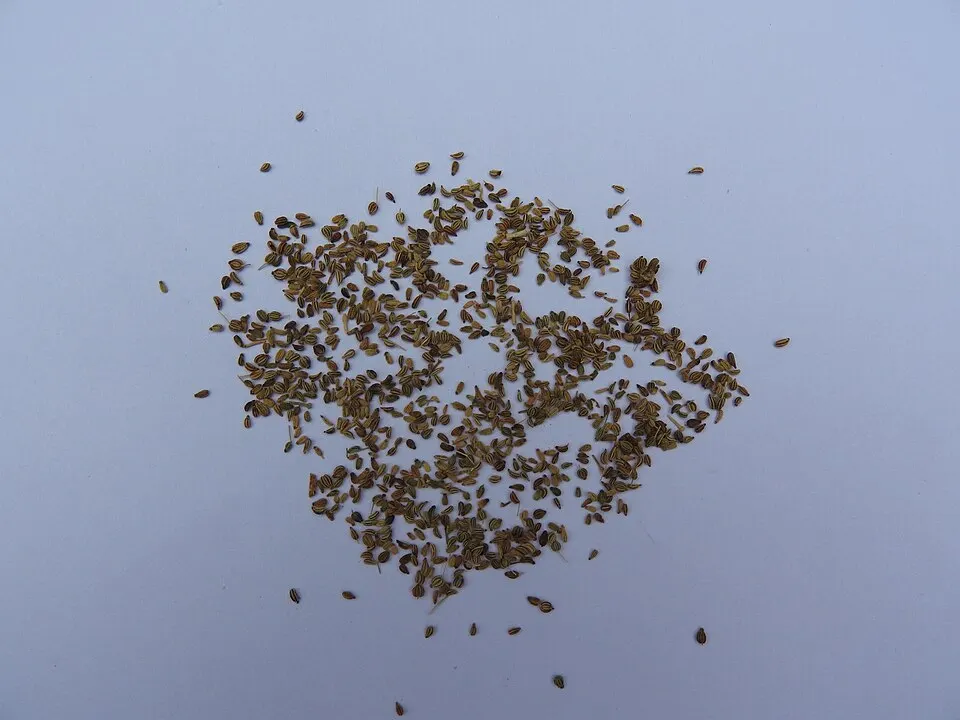
The Rabi season is ideal for all culinary herbs: coriander, dill, fennel, fenugreek, and ajwain all produce their best flavour in cool weather. Sow coriander every 3 weeks for continuous harvest. Fenugreek (methi) can be harvested as microgreens in 12–15 days for the quickest return.
Conclusion
The Rabi season is the most rewarding time for Indian vegetable gardeners. Cool-season crops grow cleanly, are rarely troubled by pests, and taste noticeably better than their summer counterparts. Plant abundantly in October and enjoy a 4-month harvest season.