Photo: Rihaz Ramzaan / Wikimedia Commons (CC BY-SA 4.0)
📋 In This Article
October marks a turning point in Indian gardens — temperatures cool, monsoon rains ease, and the most productive planting season of the year begins. This window is critically important for setting up winter success.
Clearing and Preparing Beds
Remove monsoon-season crops (gourds, beans, cucumber) that are finishing. Pull out weeds before they set seed. Add a fresh layer of compost to empty beds and dig it in. Test soil pH if possible — add garden lime to acidic soil or sulphur to alkaline soil to bring it toward the ideal 6.0–6.5 range.
October Planting Opportunities
This is India's premier cool-season planting window.
- Cauliflower, cabbage, broccoli seedlings
- Peas, beans (direct sow)
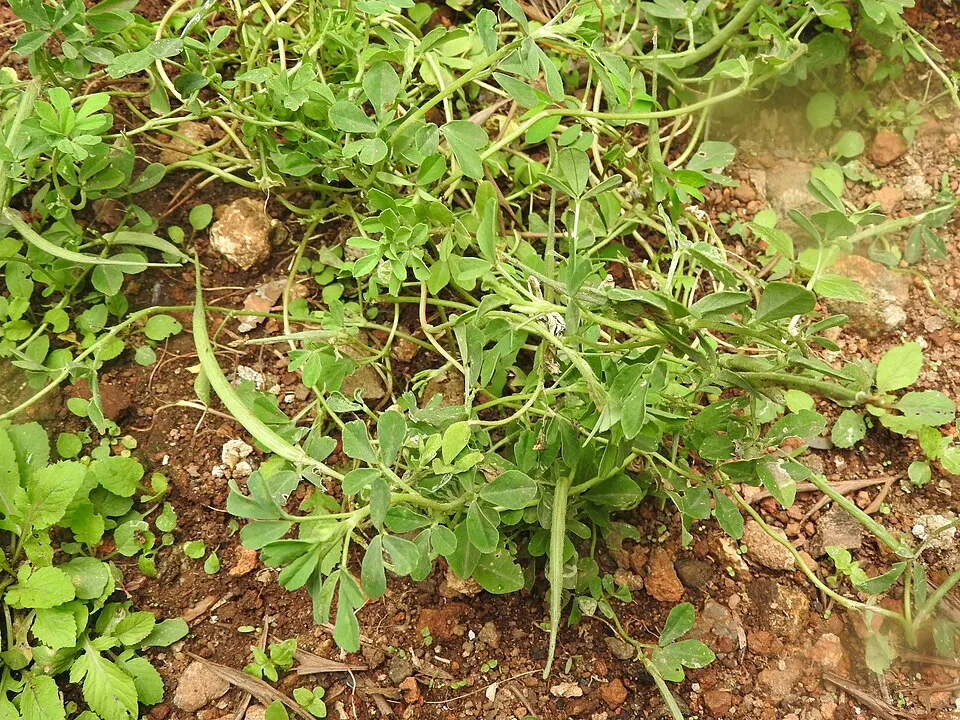
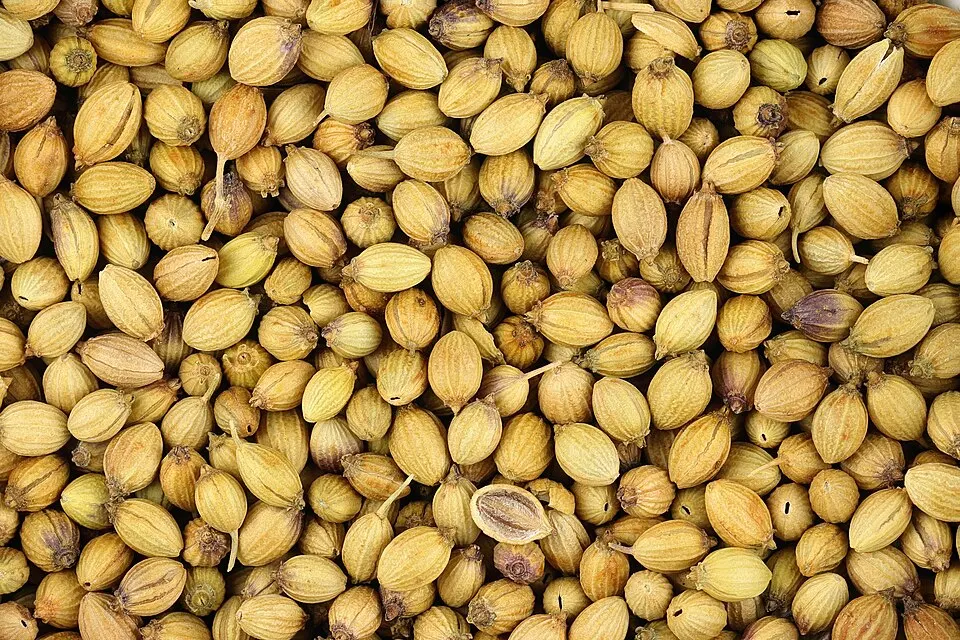
- Spinach, fenugreek, coriander (direct sow)
- Onion and garlic sets
- Marigold, pansy, dianthus seedlings
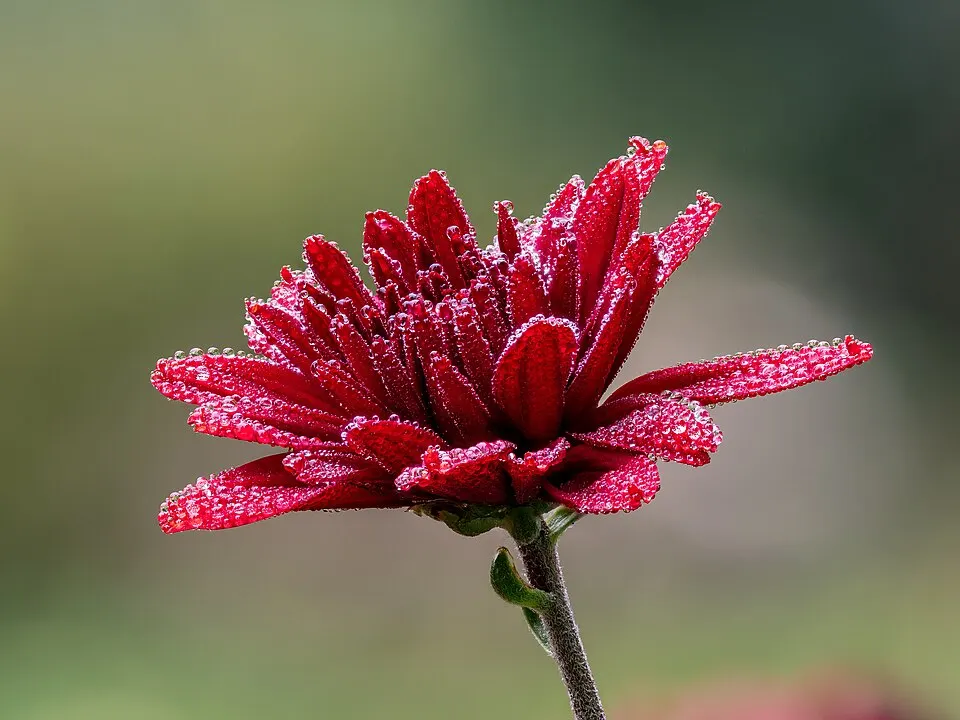
- Chrysanthemum for winter blooms
Bulb Planting
October is ideal for planting spring-flowering bulbs in North India: Gladiolus, Ranunculus, Freesia, and Lily bulbs planted now bloom beautifully in February–March. Plant at the correct depth (usually 2–3× the bulb's diameter) in well-drained soil enriched with bone meal.
Post-Monsoon Lawn Recovery
October is the best time to renovate a lawn. Mow short, dethatch with a rake, overseed bare patches with fresh grass seed, and top-dress with a thin layer of compost. Apply a balanced fertiliser to encourage root development before winter slows growth.
Conclusion
The effort put into your garden in October–November determines the quality of your winter garden. This cool, energetic season is when Indian gardening is at its most productive and enjoyable.