India grows more spices than any other country. These profiles explain where each spice comes from — the rhizome, bark, bud, seed or fruit — how it is used in cooking and Ayurveda, and which ones (turmeric, ginger, mustard, ajwain) you can easily grow at home.
Showing 10 plants
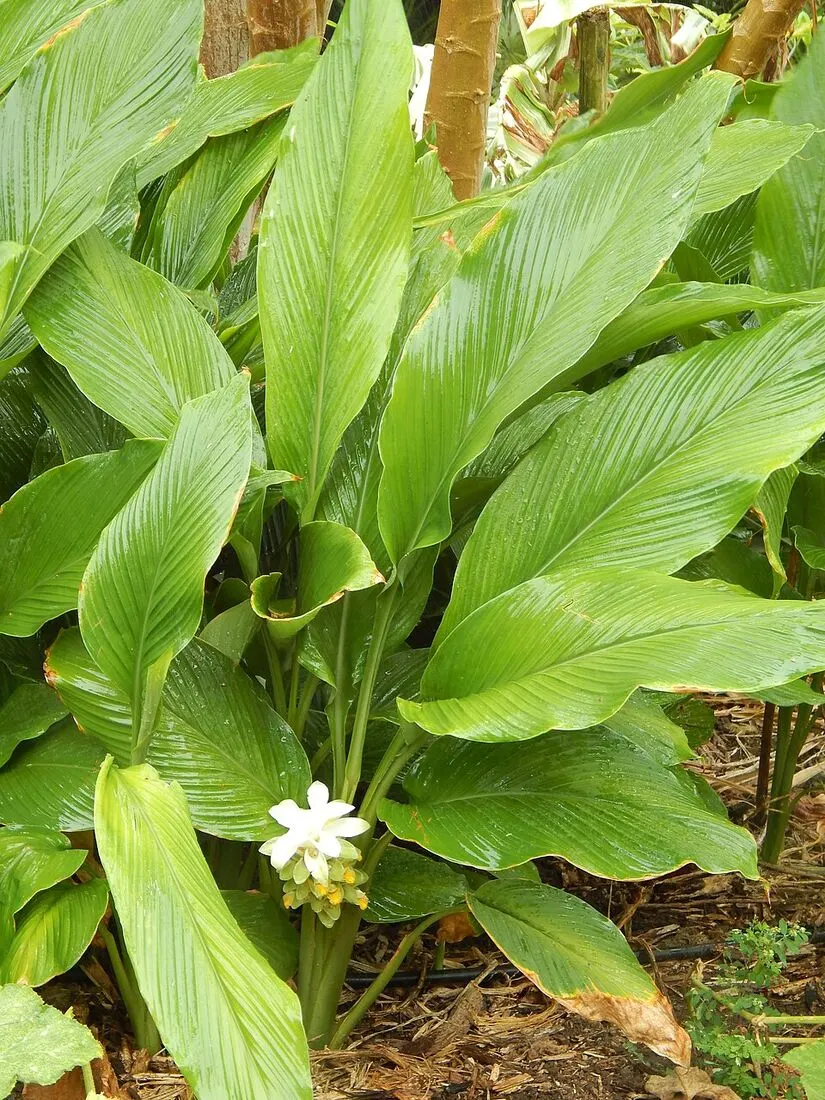
Turmeric
Curcuma longa
Golden spice with potent anti-inflammatory and antioxidant properties.
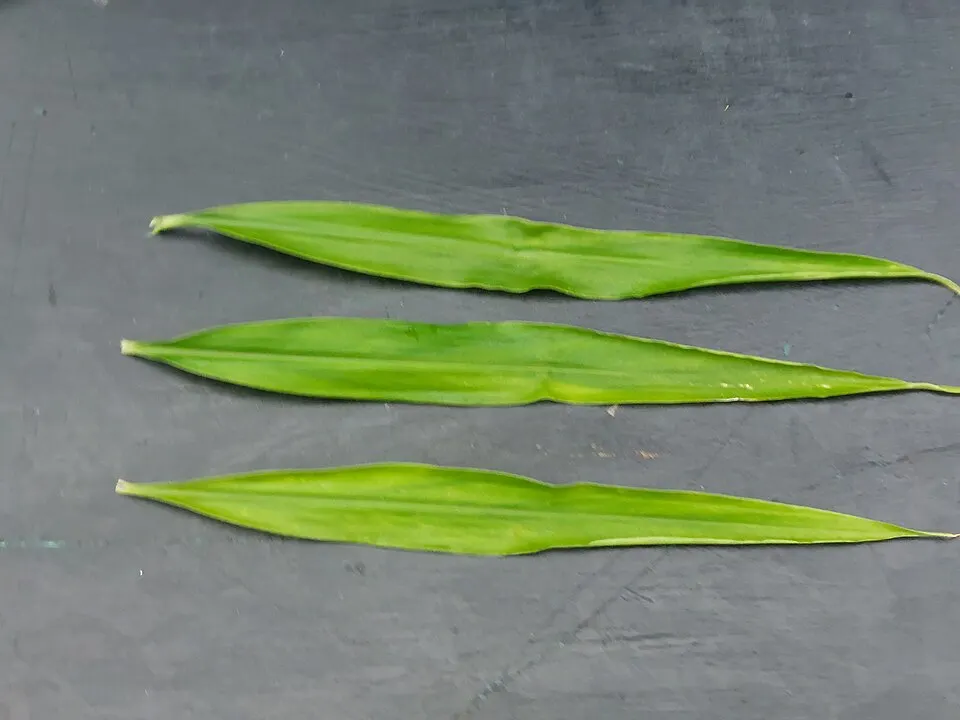
Ginger
Zingiber officinale
Universal digestive and anti-inflammatory rhizome used across culinary and healing traditions.
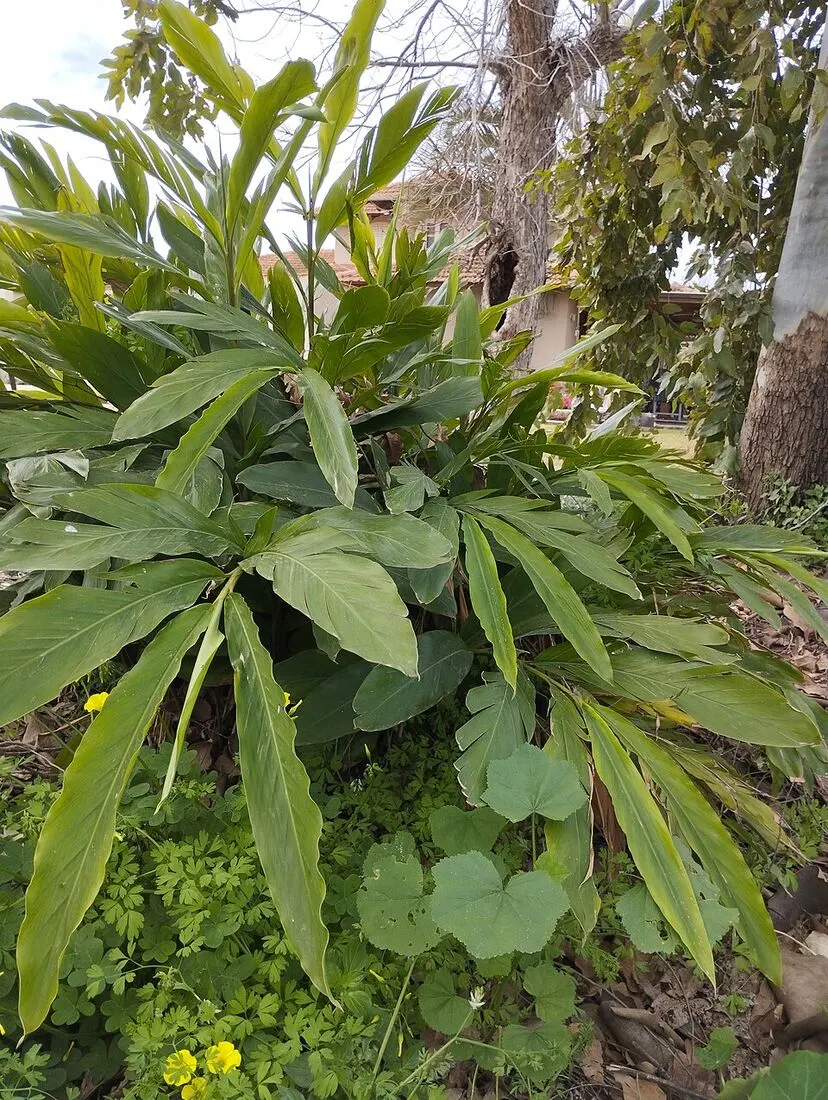
Cardamom (Elaichi)
Elettaria cardamomum
Queen of spices — aromatic pods that aid digestion, freshen breath, and calm the mind.
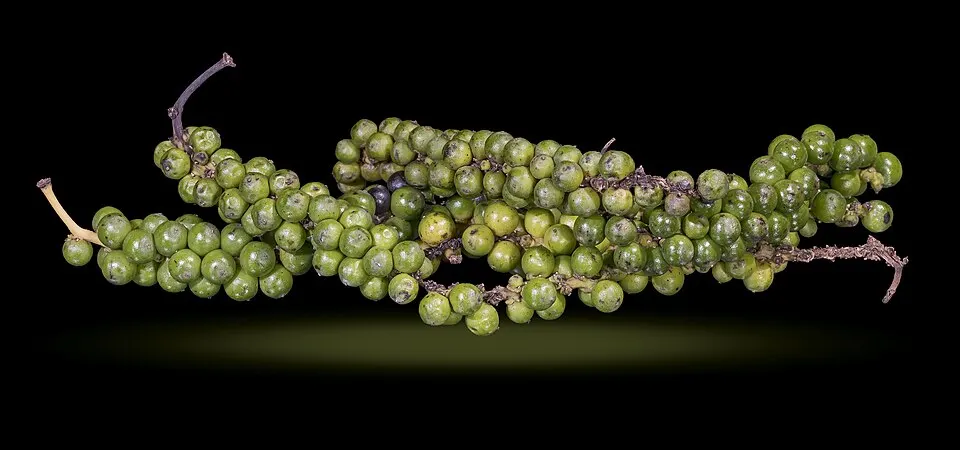
Black Pepper
Piper nigrum
King of spices — piperine enhances nutrient absorption and has potent antioxidant properties.

Cinnamon (Dalchini)
Cinnamomum verum
Sweet warming bark spice with powerful blood sugar regulating and antimicrobial properties.

Cloves (Laung)
Syzygium aromaticum
Intensely aromatic flower buds with analgesic and antiseptic properties — a dental pain remedy.

Cumin (Jeera)
Cuminum cyminum
Essential Indian spice with powerful digestive, immunity-boosting, and iron-rich properties.
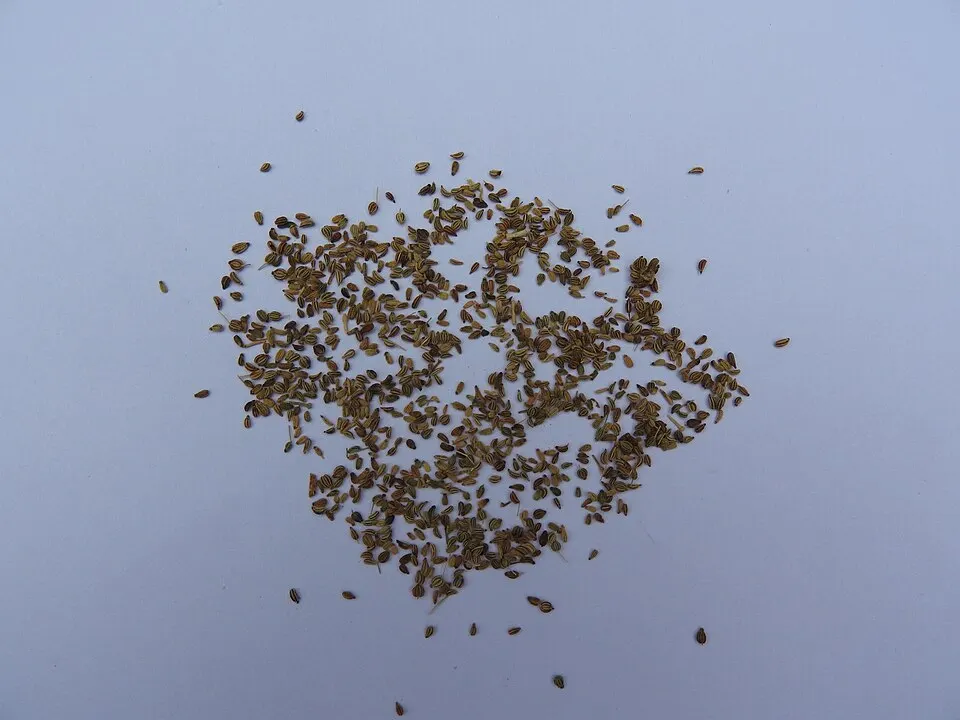
Carom Seeds (Ajwain)
Trachyspermum ammi
Pungent Indian spice with thymol compounds — outstanding for digestive complaints and respiratory issues.
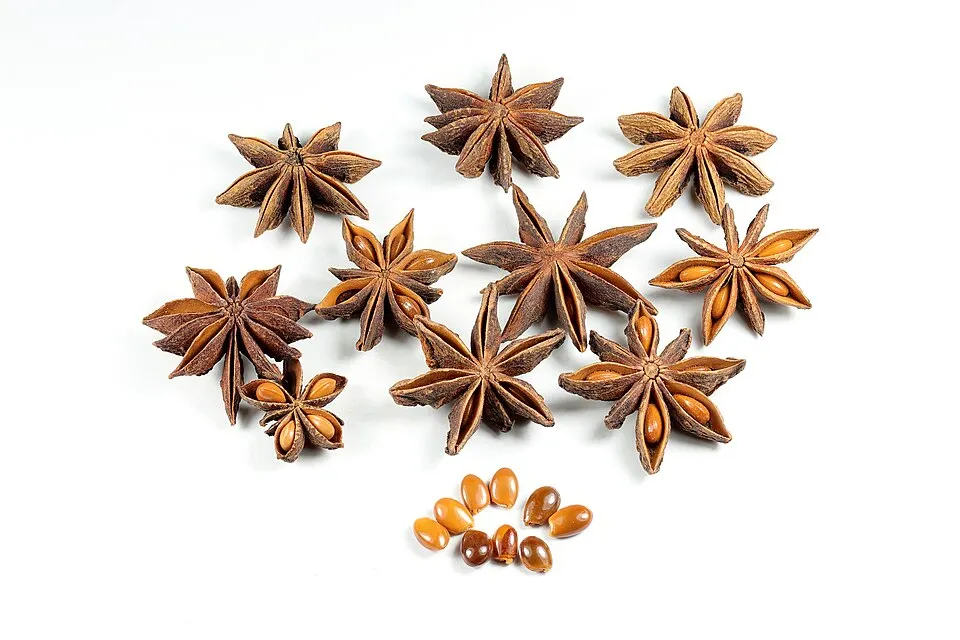
Star Anise
Illicium verum
Star-shaped spice rich in shikimic acid — antiviral, antifungal, and digestive properties.
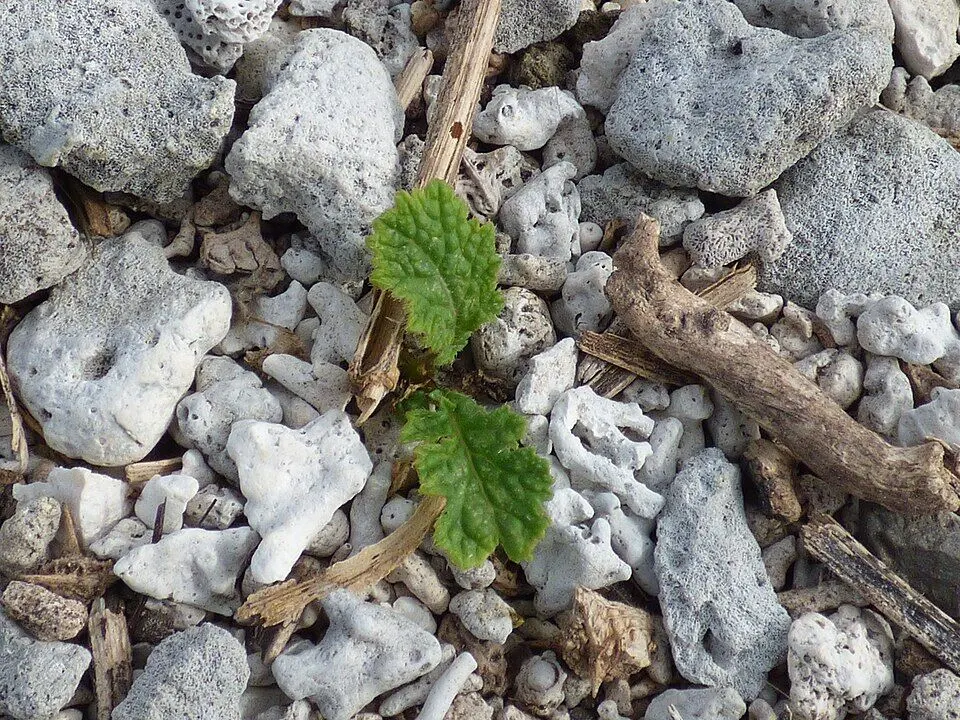
Mustard (Sarson)
Brassica juncea
Pungent seed and oil plant with remarkable anti-inflammatory, warming, and cancer-preventive properties.