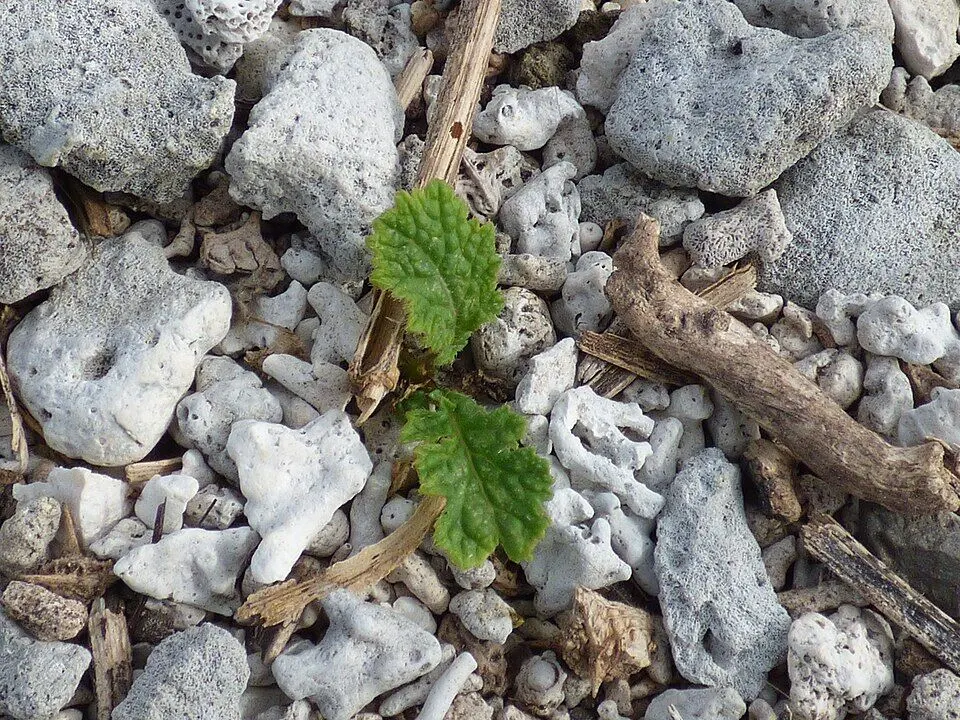
Photo: Forest and Kim Starr / Wikimedia Commons (CC BY 3.0 us)
Mustard (Sarson) (Brassica juncea): Pungent seed and oil plant with remarkable anti-inflammatory, warming, and cancer-preventive properties.
🔍 Quick Facts
| Common name | Mustard (Sarson) |
| Other names | Sarson, Rai (Hindi); Kadugu (Tamil); Avalu (Telugu) |
| Scientific name | Brassica juncea |
| Plant family | Brassicaceae (cabbage family) |
| Size | 1–1.5 m annual |
| Native region | South Asia, Central Asia |
| Climate | Temperate/Sub-tropical |
| Ease of growing | Fast |
| Parts used | Seeds, Oil, Leaves |
About Mustard
Fields of yellow-flowering sarson are the defining sight of a Punjab winter, and India is one of the world's largest producers of mustard oil. The plant gives three foods: oil from the seeds, the seeds themselves for tempering, and the leaves for sarson ka saag. Mustard oil's pungency comes from allyl isothiocyanate.
Botanically known as Brassica juncea, it belongs to the Brassicaceae family. It is native to South Asia, Central Asia and grows best in a temperate/sub-tropical climate. The parts most often used are the seeds, oil and leaves.
Traditional & Ayurvedic Uses
Mustard is best known for:
- Anti-inflammatory
- Joint pain (oil)
- Cholesterol
- Cancer prevention (research)
- Skin conditions
Most of these uses come from Ayurveda and folk medicine. Where we know of good clinical evidence, or of a specific safety concern, we say so in the overview, precautions and FAQs on this page.
How Mustard Is Used
- Leaves are cooked as sarson ka saag with makki ki roti.
- Seeds (rai) are tempered for South Indian dishes and pickles.
- Mustard oil is used for cooking in eastern and northern India and for body massage.
How to Grow Mustard
| ☀️ Sunlight | Full sun. |
| 💧 Watering | Light; usually 2–3 irrigations are enough. |
| 🪴 Soil | Loamy, well-drained soil. |
| 🌱 Propagation | Seeds sown directly. |
| 📅 When to plant (India) | Sow October–November; harvest February–March. |
| 🏡 In pots / at home | Grow for greens in any pot — leaves are ready in 4–6 weeks. |
Precautions & Safety
- Mustard oil contains erucic acid; in some countries it is labelled for external use only.
- Mustard is a common allergen.
- Mustard plasters can burn the skin if left on too long.
Frequently Asked Questions
Further Reading on Mustard
Written by the WhyOnPlanet editorial team · Last updated October 2026