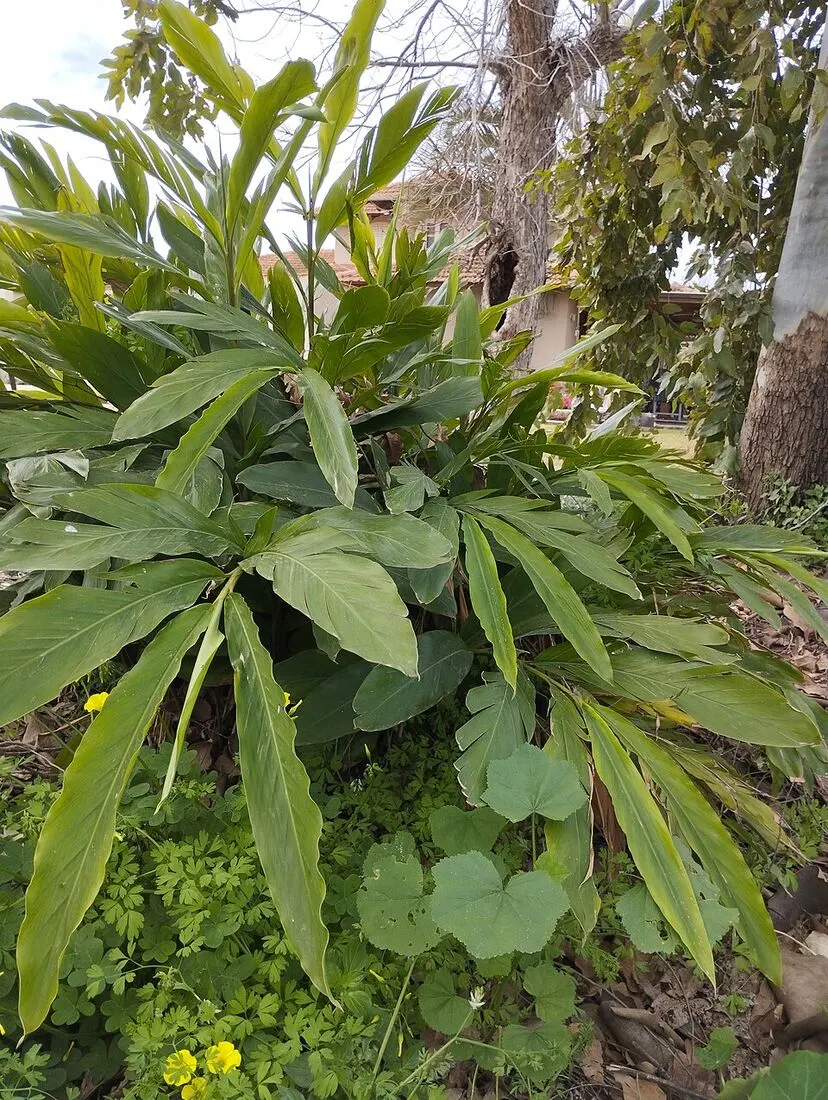
Photo: SigTif / Wikimedia Commons (CC BY-SA 4.0)
Cardamom (Elaichi) (Elettaria cardamomum): Queen of spices — aromatic pods that aid digestion, freshen breath, and calm the mind.
🔍 Quick Facts
| Common name | Cardamom (Elaichi) |
| Other names | Elaichi, Chhoti elaichi (Hindi); Elakkai (Tamil); Yelakki (Kannada) |
| Scientific name | Elettaria cardamomum |
| Plant family | Zingiberaceae (ginger family) |
| Size | 2–4 m clumping perennial |
| Native region | South India, Sri Lanka |
| Climate | Tropical/Humid |
| Ease of growing | Slow |
| Parts used | Seeds, Pods, Oil |
About Cardamom
Green cardamom, the "Queen of Spices", is native to the Western Ghats — the Cardamom Hills of Kerala and Tamil Nadu are named after it. It is the world's third most expensive spice after saffron and vanilla. The pods grow from shoots that creep along the ground at the base of the plant and must be hand-picked every few weeks. Black cardamom (badi elaichi) is a different plant from the eastern Himalaya.
Botanically known as Elettaria cardamomum, it belongs to the Zingiberaceae family. It is native to South India, Sri Lanka and grows best in a tropical/humid climate. The parts most often used are the seeds, pods and oil.
Traditional & Ayurvedic Uses
Cardamom is best known for:
- Digestion
- Breath freshener
- Detox
- Antioxidant
- Blood pressure
Most of these uses come from Ayurveda and folk medicine. Where we know of good clinical evidence, or of a specific safety concern, we say so in the overview, precautions and FAQs on this page.
How Cardamom Is Used
- Crushed pods flavour chai, kheer, biryani and sweets.
- Seeds are chewed after meals to freshen breath.
- Cardamom is used in Ayurvedic digestive formulas.
How to Grow Cardamom
| ☀️ Sunlight | Shade — about 50–60%, under a forest canopy. |
| 💧 Watering | High humidity and regular moisture. |
| 🪴 Soil | Rich, acidic forest loam with leaf litter. |
| 🌱 Propagation | Rhizome division (suckers) or seeds. |
| 📅 When to plant (India) | Plant in the monsoon; pods are harvested August–February. |
| 🏡 In pots / at home | It grows as an ornamental foliage plant in pots, but rarely fruits outside humid hill areas. |
Precautions & Safety
- Generally safe in food amounts.
- May trigger gallstone colic in people with gallstones.
Frequently Asked Questions
Further Reading on Cardamom
Written by the WhyOnPlanet editorial team · Last updated October 2026