📋 In This Article
Shinrin-yoku — "forest bathing" or "taking in the forest atmosphere" — was developed as a formal practice in Japan in 1982 by the Ministry of Agriculture, Forestry and Fisheries. Since then, it has become Japan's most researched public health intervention, with dozens of clinical trials demonstrating measurable physiological benefits from simply being immersed in forest environments.
What Shinrin-Yoku Actually Is
Shinrin-yoku is not hiking, exercise, or nature photography. It is the deliberate, slow immersion in a forest environment using all five senses — listening to the sounds, observing the light through leaves, feeling the textures of bark and soil, smelling the complex fragrance of the forest air, and if available, tasting wild edible plants. Sessions are typically 2-4 hours at a slow, wandering pace. The goal is sensory presence, not distance covered. Certified forest therapy guides (a growing profession in Japan, the US, and increasingly India) facilitate the experience.
The Physiological Evidence
Professor Qing Li of Nippon Medical School has conducted the most comprehensive shinrin-yoku research. Key findings from randomised controlled trials: 2-hour forest walk reduces cortisol 13.4% compared to urban walking; forest exposure increases NK (natural killer) cell activity by 50% — and this effect lasts for up to 30 days after a single 3-day forest immersion; systolic blood pressure reduces by 6 mmHg after forest vs. urban walking; forest walkers report significantly lower anxiety, anger, and fatigue scores and higher vigour scores than urban walkers.
- Cortisol reduction: 13.4% after 2-hour forest walk
- NK cell boost: 50% — lasting up to 30 days
- Blood pressure: 6 mmHg systolic reduction
- Mood: reduced anxiety, fatigue, anger; increased vigour
The Role of Phytoncides
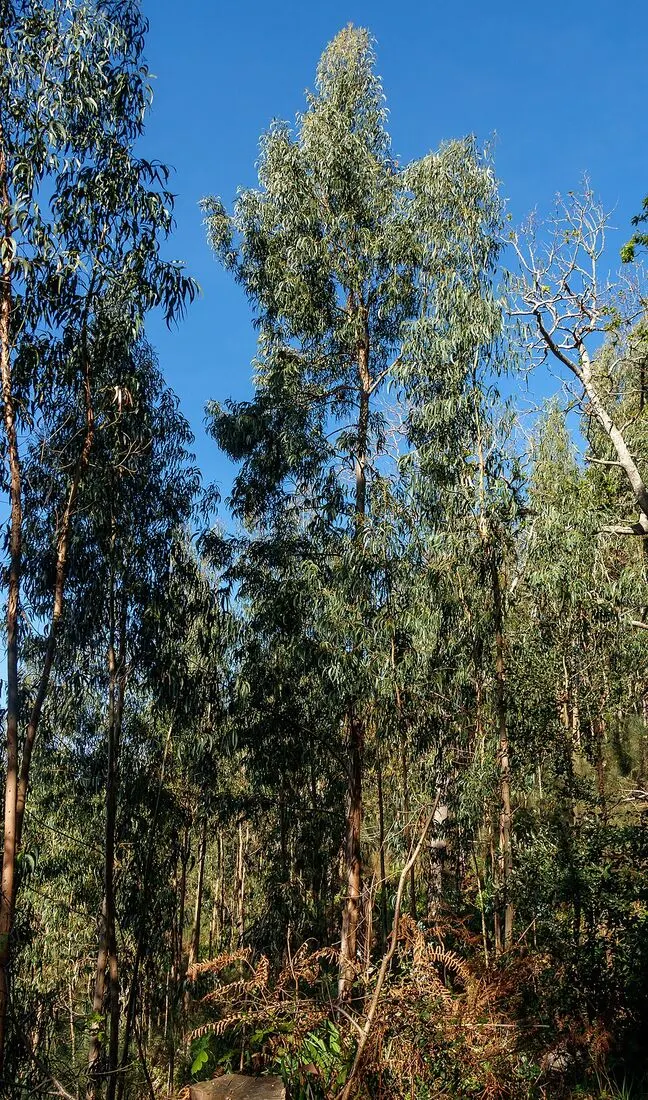
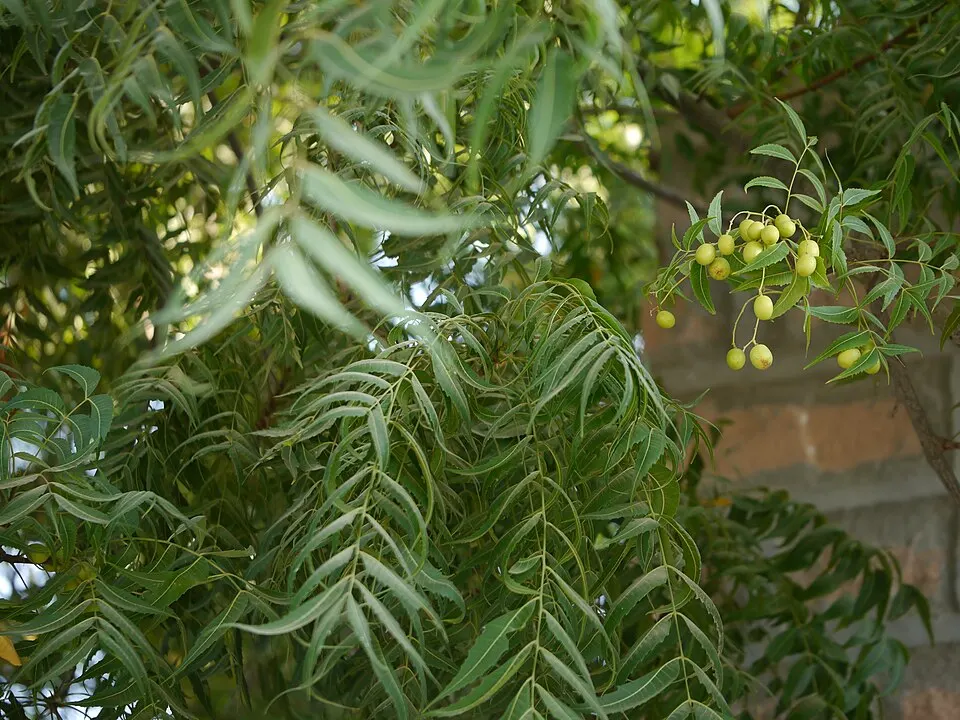
Forest air is rich with phytoncides — volatile organic compounds (primarily alpha-pinene and limonene) released by trees as part of their immune system. When humans inhale these compounds, they trigger increases in NK cell activity and anti-cancer proteins, and reduce inflammatory cytokines. Trees emit phytoncides as a chemical defence against bacteria, fungi, and insects — and human immune systems appear to benefit from exposure. Different tree species produce different phytoncides: coniferous forests (pine, cedar, cryptomeria) are highest in alpha-pinene; eucalyptus forests are high in 1,8-cineole. Indian forests rich in sandalwood, neem, and eucalyptus provide distinct phytoncide profiles.
Practicing Shinrin-Yoku in India
India's forests — particularly the Western Ghats, Himalayan foothills, and central Indian teak forests — provide exceptional shinrin-yoku environments. Visit any patch of mature woodland: Sanjay Gandhi National Park in Mumbai, Cubbon Park in Bangalore, or the sal forests of Jharkhand. Practice: leave your phone in the car. Walk slowly, at half your normal pace. Stop frequently. Touch tree bark. Look up through the canopy. Breathe deeply through the nose. Sit quietly for 10 minutes. The forest will do the rest.
Conclusion
Shinrin-yoku represents a rediscovery of something humans have always known intuitively: forests make us feel better. The modern contribution is proving why — the specific molecules, immune mechanisms, and physiological pathways through which the forest heals. This scientific validation makes forest exposure a legitimate prescription, not merely a pleasant recreation.