Photo: Infrogmation of New Orleans / Wikimedia Commons (CC BY-SA 3.0)
📋 In This Article
The average Indian household spends ₹2,000–5,000 per month on electricity. Simple energy efficiency upgrades can cut this by 30–50% while simultaneously reducing carbon emissions — delivering both environmental and financial returns.
Quick Wins: No-Cost and Low-Cost Changes
Several energy-saving actions cost nothing: switch off lights and fans when leaving rooms, use AC at 24°C instead of 20°C (each degree saves 6% electricity), use washing machines and dishwashers with full loads, switch to cold-water washing, and air-dry rather than heat-dry dishes.
Lighting: Biggest Quick Win
Replacing all incandescent bulbs with LED saves 75% of lighting electricity and pays back in 6–12 months. India's UJALA scheme distributes LEDs at subsidised prices. Smart LED bulbs that dim automatically based on daylight further reduce consumption.
Air Conditioning Efficiency
AC is India's fastest-growing electricity end-use. Choose 5-star BEE-rated inverter ACs — they use 30–50% less electricity than non-inverter models. Install in shade rather than full sun. Ensure rooms are well-sealed. Use ceiling fans in conjunction with AC — this allows AC to be set 4°C warmer with equivalent comfort.
Rooftop Solar: Best Long-Term Investment
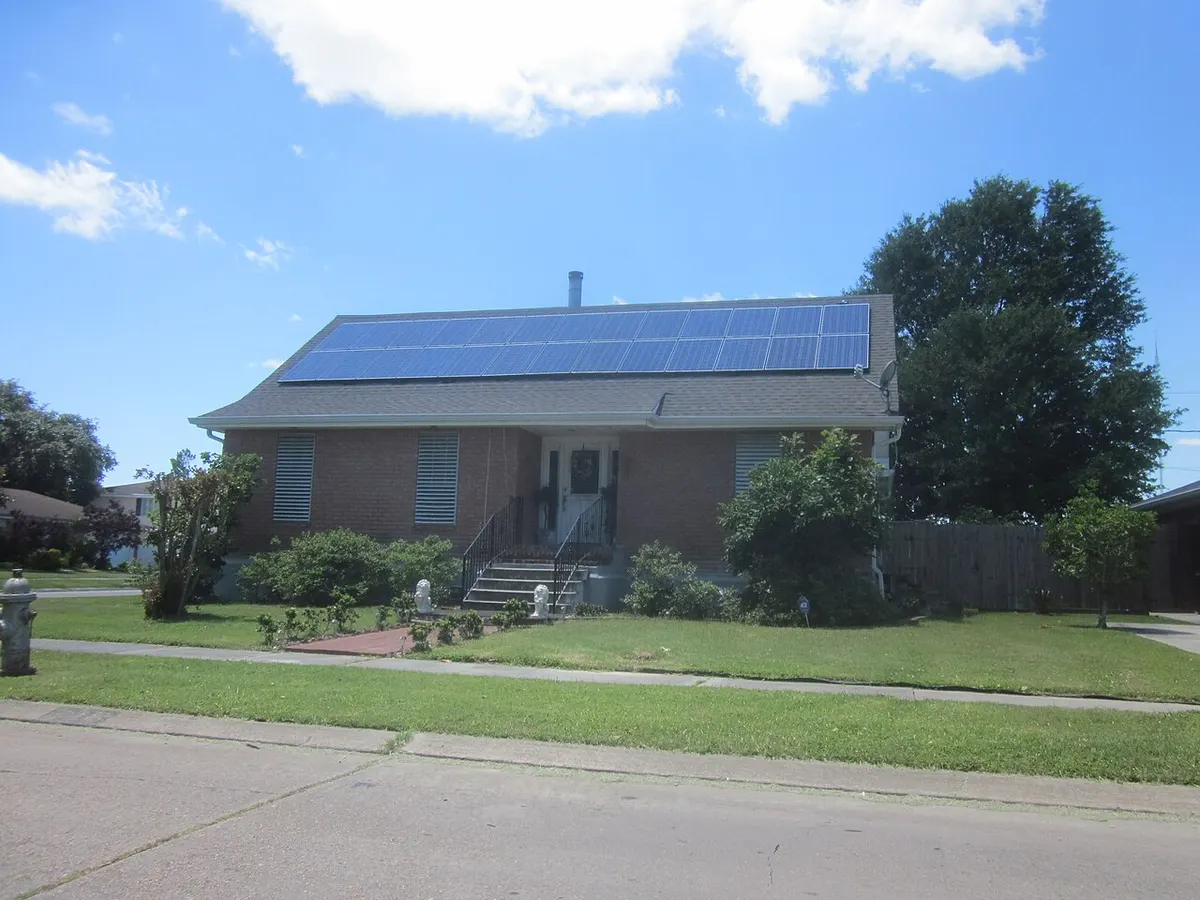
A 3 kW rooftop solar system in India costs ₹1,50,000–2,00,000 after government subsidy (30% for residential systems). It produces 12–15 units of electricity per day — enough for most middle-class homes — and pays back within 4–6 years. Panels last 25+ years.
Conclusion
Energy efficiency is the cheapest form of clean energy — saving electricity costs less than generating it. Start with LEDs and AC settings for immediate impact, then invest in rooftop solar for long-term returns.