Photo: Vijayakumarblathur / Wikimedia Commons (CC BY-SA 4.0)
📋 In This Article
Gir National Park in Gujarat is the world's only wild home of the Asiatic lion (Panthera leo persica) — a sub-species distinct from its African cousin, slightly smaller and with a less full mane. From fewer than 20 lions in 1913, Gir now hosts over 670 individuals — one of conservation's most dramatic success stories. A Gir visit guarantees one of wildlife travel's rarest experiences.
The Asiatic Lion Up Close
The Asiatic lion differs from African lions in several ways: males have less impressive manes (making their ears more visible), abdominal folds of skin (absent in African lions), and they are smaller on average. Gir lions are famous for their social boldness — they have coexisted with the Maldharis (pastoral cattle-herding people) of the Gir landscape for centuries, producing a unique lion-human coexistence found nowhere else on Earth. Lions are commonly seen in open scrub, near water sources, and along seasonal river beds.
- Current population: 670+ (2020 census)
- Asiatic lion range: historically from Greece to India
- Now: Gir is the only wild population globally
- Conservation status: Endangered (IUCN)
Safari Experience and Zones
Gir has six designated safari entry points (nesses): Sinh Sadan, Devalia, and several others. The Devalia Safari Park — a 412 hectare enclosed section — guarantees lion sightings but feels semi-captive; the main Gir forest safaris are superior for authentic wilderness experience. Safari vehicles (gypsies) hold 6 passengers and are guided by trained naturalists. Permit booking: through the official Gujarat forest department portal, 30 days in advance maximum. Dawn and late afternoon safaris are most productive.
Beyond Lions: Gir's Full Biodiversity
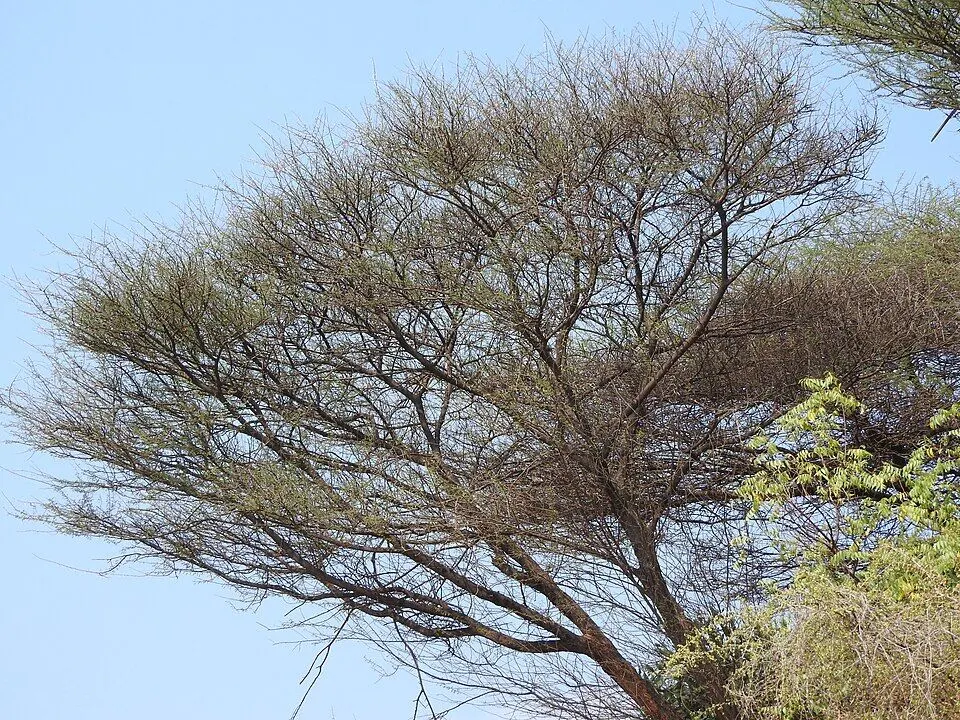
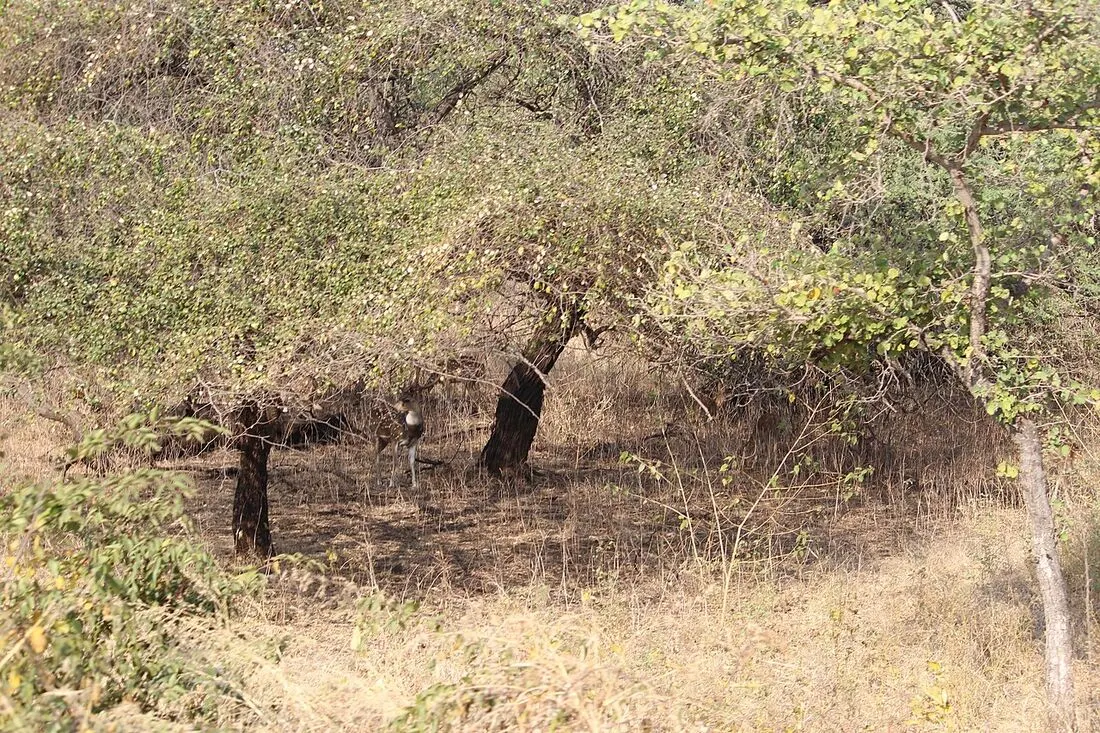
Gir hosts over 300 species of birds, including the endangered Indian Vultures and the rare Sirkeer Malkoha. Leopards coexist with lions throughout — remarkably, they occupy different habitats (lions prefer open scrub, leopards forested ridges). Striped hyena, Indian fox, jungle cat, and marsh crocodiles complete the predator guild. Sambar, chital, nilgai, and chowsingha (four-horned antelope) are the main prey animals. Gir's teak and acacia forest provides exceptional bird diversity — the park is on a major migration route.
Conservation and Future
The Gir conservation success has created a new challenge: the population is at the park's carrying capacity. Lions are now dispersing into surrounding agricultural areas and coastal districts — where coexistence is complex. A second population established in Barda Wildlife Sanctuary (150km from Gir) is a priority for insurance against disease outbreak in the single remaining population. The Gir lions' recovery is India's most powerful conservation achievement alongside Project Tiger.
Conclusion
Gir is a conservation pilgrimage — the chance to watch the only wild Asiatic lions on Earth, in the landscape that saved their species from extinction. The experience is deeply moving not just as wildlife viewing but as testament to what rigorous protection can achieve.