📋 In This Article
A well-designed garden doesn't need constant attention — it needs smart plant selection, good soil preparation, and a layout that works with nature rather than against it.
The Low-Maintenance Design Principles
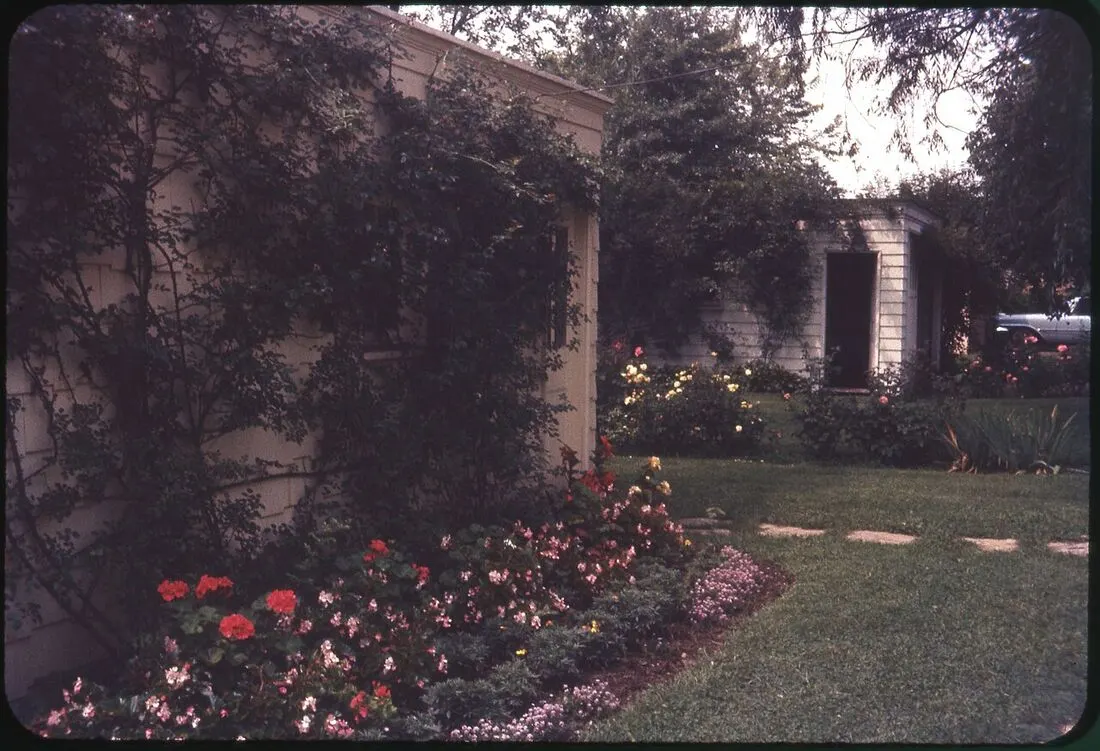
Group plants with similar water and sunlight needs together. Use mulch generously to suppress weeds and retain moisture. Choose native or well-adapted plants over exotic varieties that need constant care. Reduce lawn area in favour of ground covers or gravel paths.
Best Low-Maintenance Plants for Indian Backyards
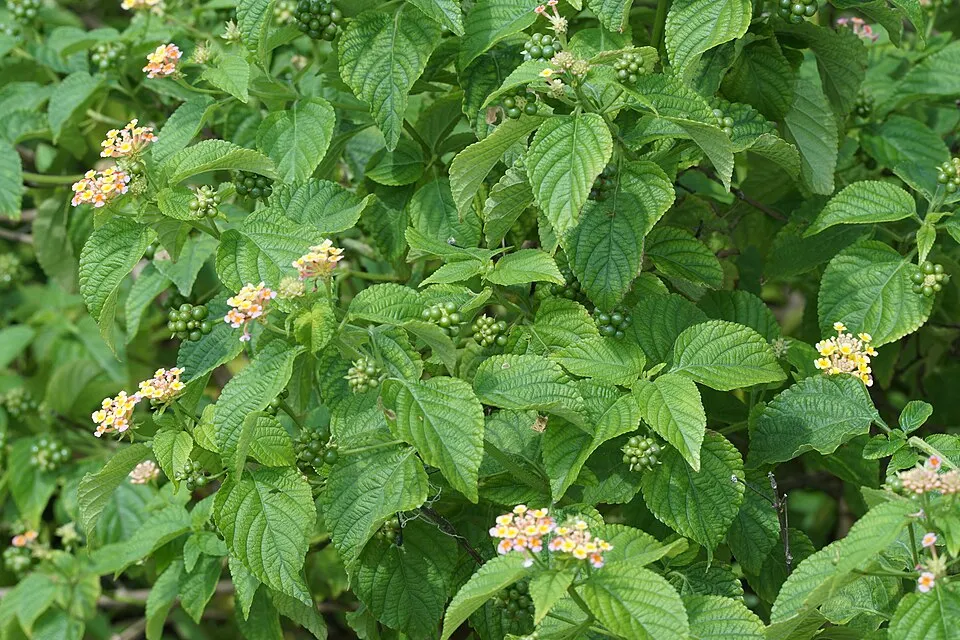
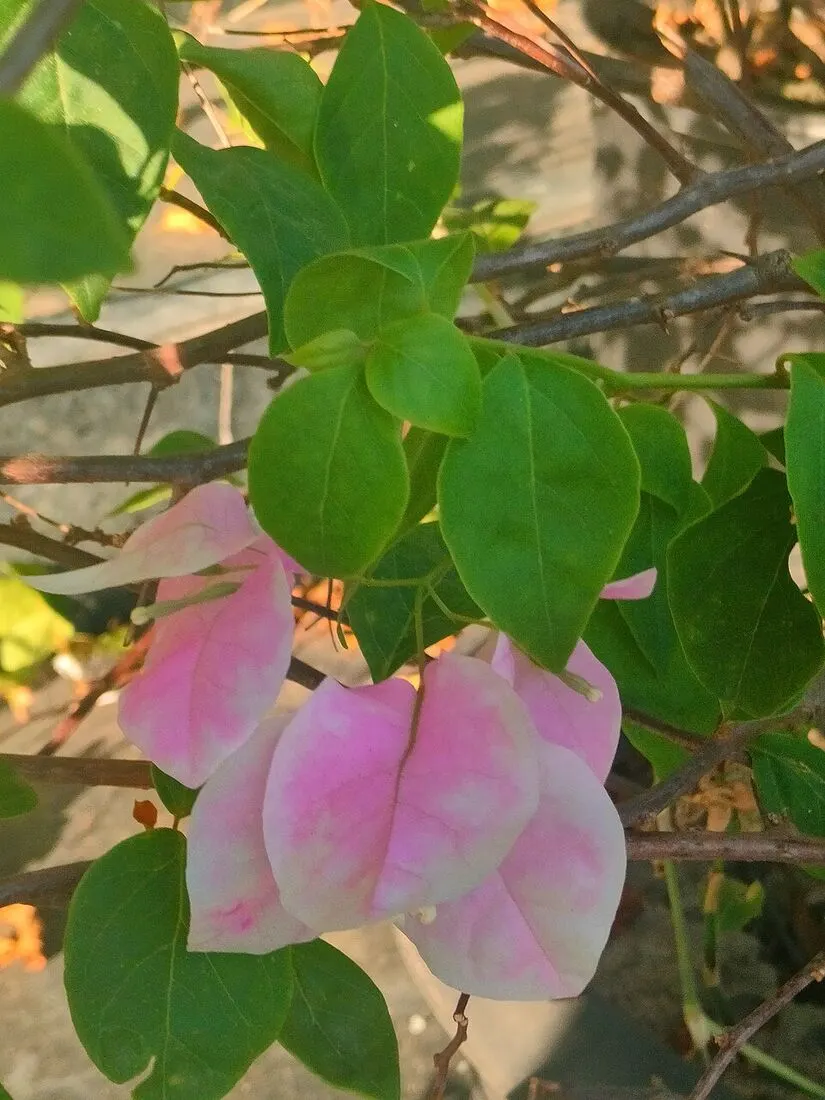
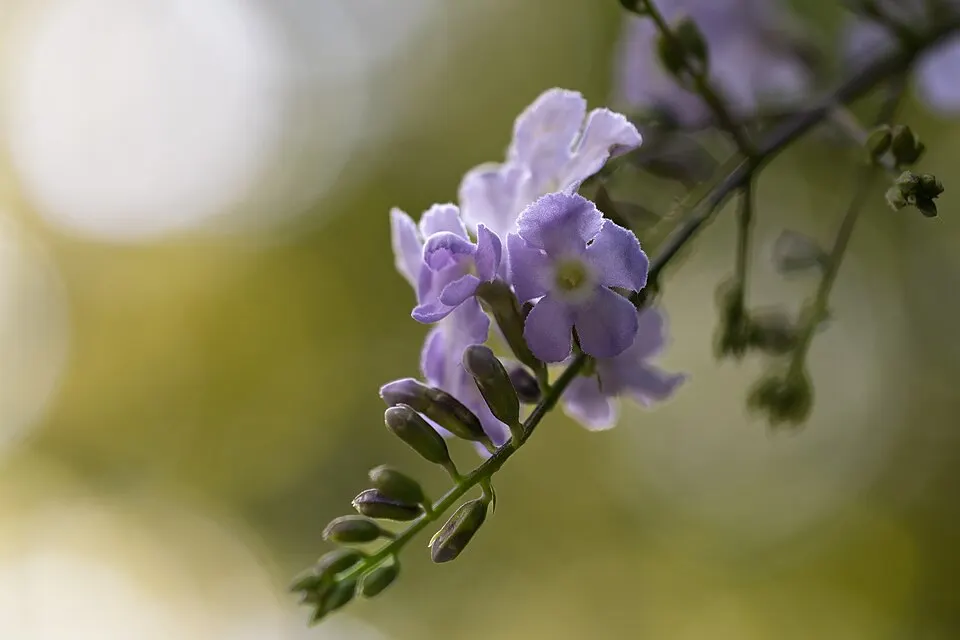
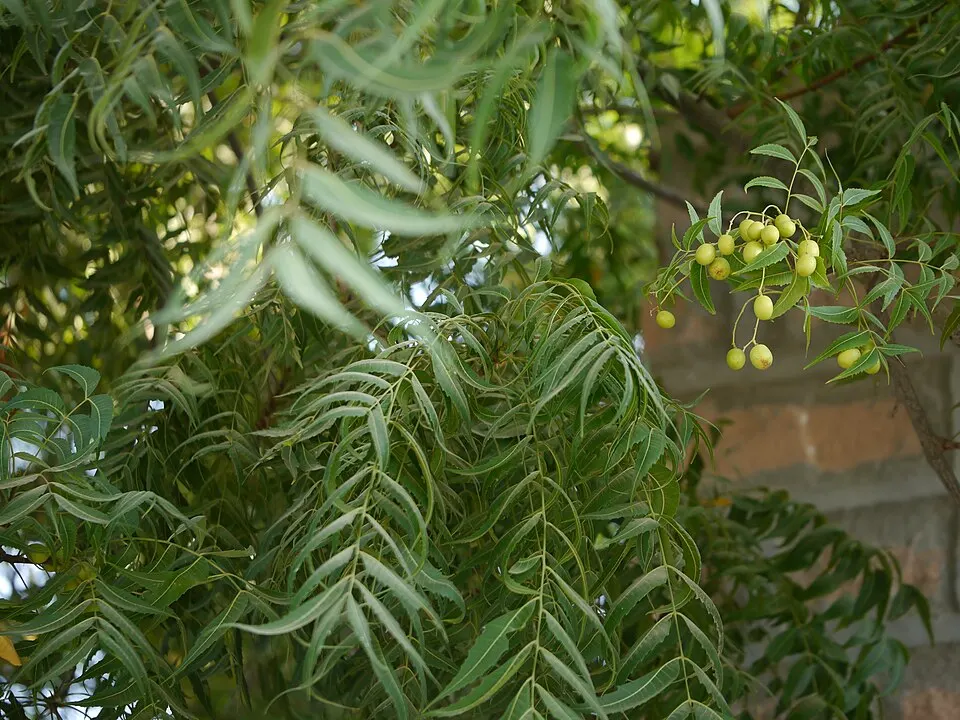
Lantana, Duranta, Plumbago, and Bougainvillea are nearly self-sufficient once established. Native trees like Neem, Gulmohar, and Peepal require zero irrigation once rooted. For borders, ornamental grasses and agave are drought-tolerant and virtually pest-free.
Mulching: Your Most Powerful Tool
A 3–4 inch layer of organic mulch (dried leaves, sugarcane bagasse, coconut husk) around plants suppresses 80% of weeds, retains moisture, and slowly enriches the soil as it decomposes. This single step halves garden maintenance time.
Designing for Year-Round Interest
Plan for successive blooms by mixing spring, summer, and winter-flowering plants. Include evergreen shrubs as a backbone so the garden looks structured even when seasonal plants aren't in bloom. One or two focal trees anchor the design and draw the eye.
Conclusion
A low-maintenance garden is not a neglected garden — it's a thoughtfully designed one. Invest time upfront in soil preparation and plant selection, and you'll spend less time maintaining it every year after.