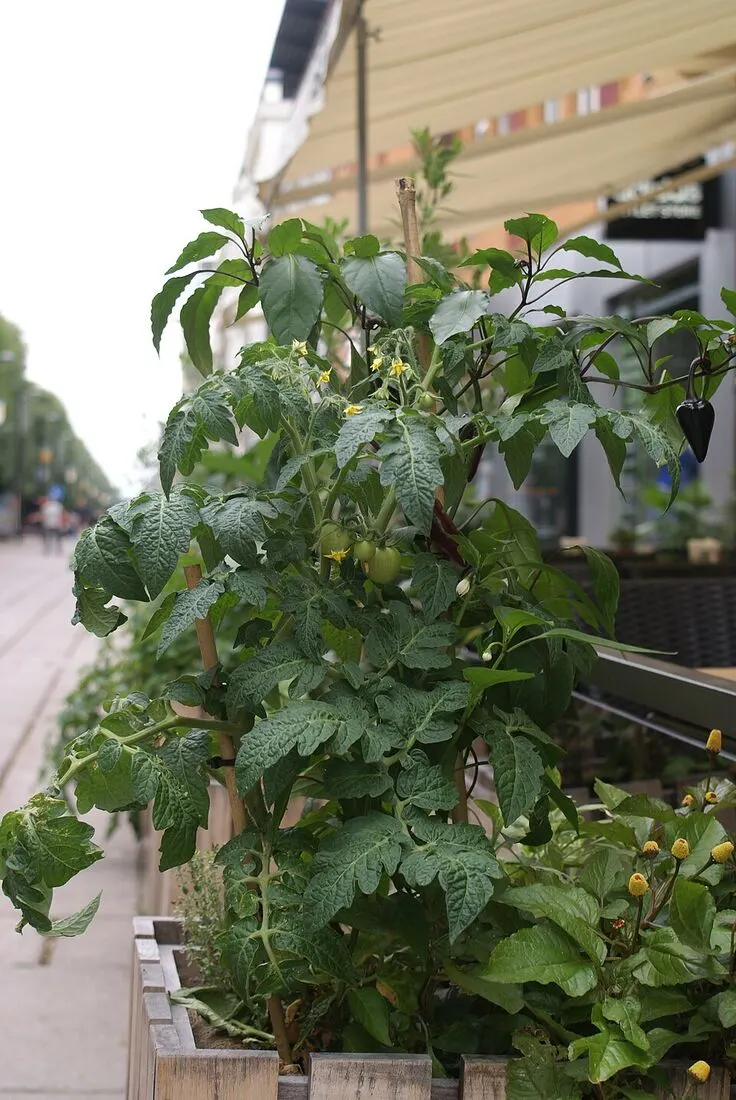
🍅

Tomato

Solanum lycopersicum

📁 Vegetable 🌍 South America â˜€ī¸ Tropical/Temperate 🌱 Growth: Fast

🔍 Quick Facts

Common NameTomato
Scientific NameSolanum lycopersicum
CategoryVegetable
Native RegionSouth America
ClimateTropical/Temperate
Growth RateFast
Parts UsedFruit, Leaves (limited)

Overview of Tomato

Lycopene-rich fruit-vegetable that protects against cancer, heart disease, and skin damage. It has been a cornerstone of Ayurvedic and traditional medicine for thousands of years, with documented uses across multiple ancient texts including the Charaka Samhita and Sushruta Samhita.

Known botanically as Solanum lycopersicum, this plant belongs to the Vegetable category and is native to South America. It thrives in tropical/temperate climates and is considered a fast-growing plant.

Traditional Uses

In Ayurveda and traditional medicine, Tomato is valued for the following applications:

  • Lycopene (antioxidant) — used in traditional preparations across generations
  • Heart health — used in traditional preparations across generations
  • Skin protection — used in traditional preparations across generations
  • Cancer prevention (research) — used in traditional preparations across generations
  • Vitamin C — used in traditional preparations across generations

✅ Benefits

  • Lycopene (antioxidant)
  • Heart health
  • Skin protection
  • Cancer prevention (research)
  • Widely available and easy to grow

âš ī¸ Precautions

  • Consult a doctor before medicinal use
  • May interact with certain medications
  • Avoid during pregnancy unless prescribed
  • Excess dosage may cause side effects

Health Benefits

1. Lycopene (antioxidant)

Traditional Ayurvedic texts and modern studies both highlight lycopene (antioxidant) as a key application of Tomato. The active compounds present in the fruit, leaves (limited) are responsible for this effect.

2. Heart health

Traditional Ayurvedic texts and modern studies both highlight heart health as a key application of Tomato. The active compounds present in the fruit, leaves (limited) are responsible for this effect.

3. Skin protection

Traditional Ayurvedic texts and modern studies both highlight skin protection as a key application of Tomato. The active compounds present in the fruit, leaves (limited) are responsible for this effect.

4. Cancer prevention (research)

Traditional Ayurvedic texts and modern studies both highlight cancer prevention (research) as a key application of Tomato. The active compounds present in the fruit, leaves (limited) are responsible for this effect.

5. Vitamin C

Traditional Ayurvedic texts and modern studies both highlight vitamin c as a key application of Tomato. The active compounds present in the fruit, leaves (limited) are responsible for this effect.

How to Use Tomato

  • Tea / Decoction: Boil fresh or dried fruit in water for 10–15 minutes. Strain and drink warm.
  • Powder (Churna): Dry and grind into a fine powder. Take ÂŊ to 1 teaspoon with honey or warm water.
  • Paste / Poultice: Crush fresh fruit and apply directly to affected areas for external use.
  • Oil Infusion: Infuse in coconut or sesame oil for topical applications.
âš ī¸ Disclaimer: For educational purposes only. Always consult a qualified Ayurvedic practitioner or healthcare provider before using any plant medicinally.

How to Grow Tomato

🌱 Soil & Planting

Prefers well-draining, fertile soil with slightly acidic to neutral pH (6.0–7.5). Mix compost into the planting bed for best results.

â˜€ī¸ Sunlight

Most varieties require full sun (6–8 hours daily). Some may tolerate partial shade.

💧 Watering

Water regularly but avoid waterlogging. Allow topsoil to dry slightly between waterings.

đŸŒŋ Care Tips

  • Apply organic fertiliser every 4–6 weeks during the growing season.
  • Prune regularly to encourage bushy growth.
  • Watch for pests — treat with neem oil spray if needed.
  • Harvest fruit in the morning for maximum potency.

Precautions & Contraindications

  • Pregnancy & lactation: Consult a healthcare provider before use.
  • Drug interactions: May interact with blood thinners, diabetes medications, or immunosuppressants.
  • Allergies: Some individuals may be sensitive. Start with small quantities.
  • Children: Use only under professional guidance for children under 12.