Photo: Infrogmation of New Orleans / Wikimedia Commons (CC BY-SA 3.0)
📋 In This Article
Individual action matters, but community action multiplies impact exponentially. A neighbourhood sustainability group can transform how an entire community manages waste, uses energy, grows food, and relates to the natural world.
Starting Small: Your First Three Steps
1. Identify 3–5 interested neighbours — you don't need a large group to start. 2. Choose one issue to focus on first (waste segregation, composting, tree planting). 3. Take one visible action together — a litter clean-up, composting workshop, or tree-planting event.
High-Impact Community Projects
These projects create lasting value and build community simultaneously.
- Community composting — collect and compost wet waste from multiple households
- Neighbourhood vegetable garden in a park or common area
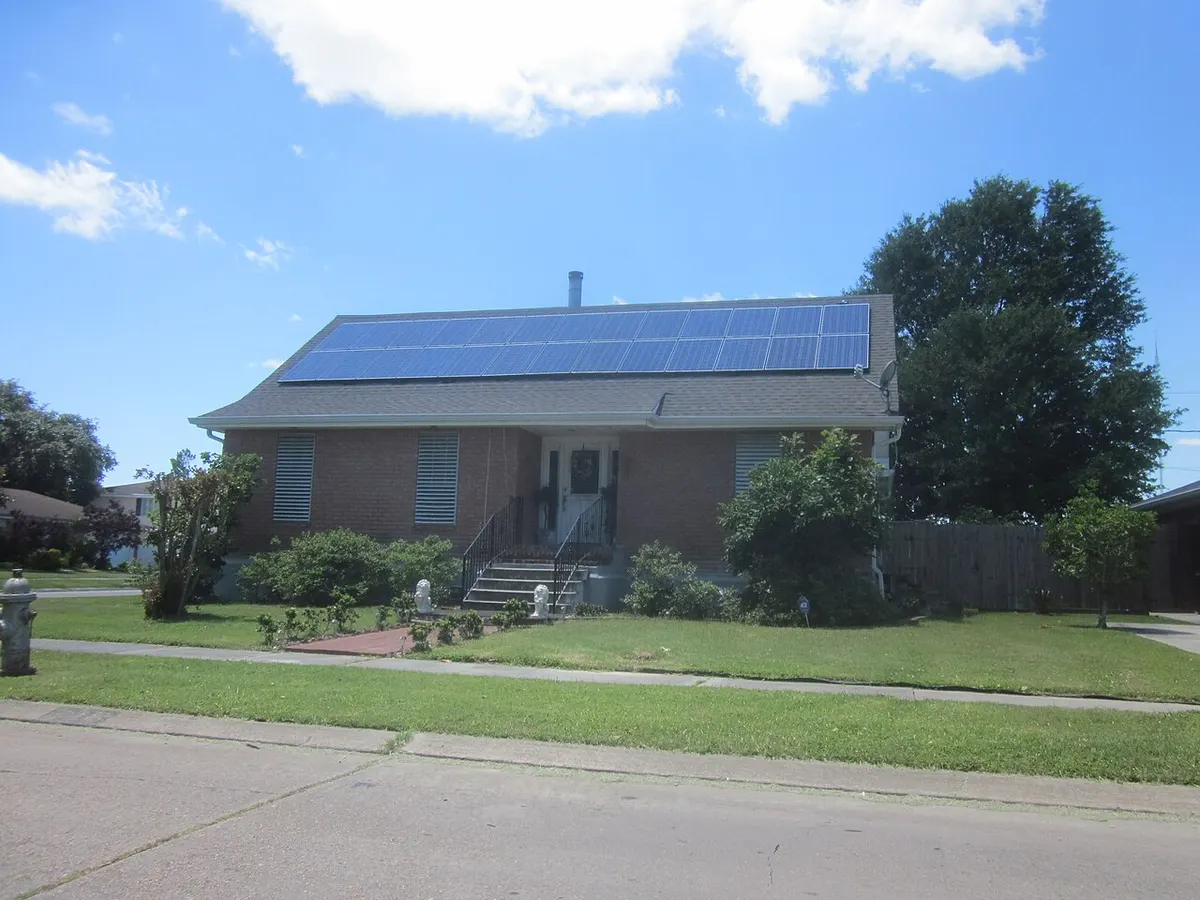
- Collective solar procurement — groups can negotiate much better prices
- Plastic-free market initiative — encourage local vendors to reduce packaging
- Rainwater harvesting installation on community buildings
- Native tree planting on roads and public spaces
Working with Local Government
Resident Welfare Associations (RWAs) have significant influence over local municipal decisions. Engaging the local ward councillor, approaching the municipal corporation for support, and applying for government grants for green projects can scale impact far beyond what a volunteer group alone can achieve.
Sustaining Momentum
Community groups often start strong and fade. Sustain engagement by celebrating wins publicly, rotating leadership to prevent burnout, linking activities to festivals and seasons (Diwali clean-up, tree planting on World Environment Day), and creating social events around sustainability activities — making them fun, not just dutiful.
Conclusion
The strongest sustainability communities start with genuine relationships between neighbours and grow through shared action. Start with one project, one small group, and one visible win — the rest builds naturally.