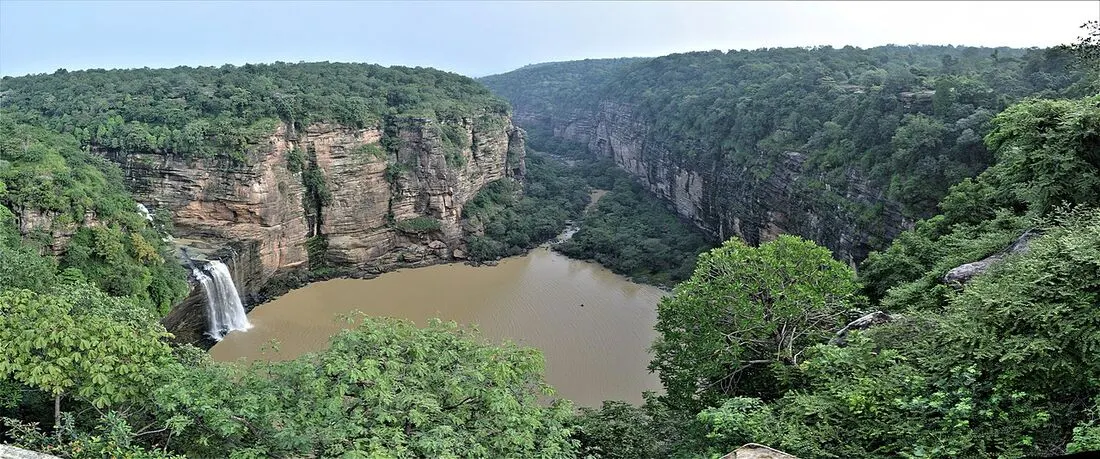
Photo: Anil kumar / Wikimedia Commons (CC BY-SA 4.0)
📋 In This Article
India loses approximately 1.5 million hectares of forest cover annually to mining, agriculture, infrastructure, and encroachment. This loss is not just environmental — it destroys watersheds, accelerates climate change, eliminates biodiversity, and undermines the livelihoods of millions who depend on forests.
The Scale of Forest Loss
India has 21.7% forest cover — well below the government's 33% national target and the global average of 31%. The forests that remain are increasingly fragmented, isolated patches unable to support viable wildlife populations or provide adequate ecosystem services. The Northeast, Western Ghats, and Central Indian forests are all under severe pressure.
Drivers of Deforestation in India
Linear infrastructure (roads, railways, power lines) cuts through forests, fragmenting habitat. Mining — particularly coal — has cleared significant forest in Central India. Agricultural expansion continues in Northeast and Deccan regions. Compensatory afforestation (planting elsewhere when forests are cleared for development) rarely replaces old-growth ecological value.
10 Ways to Support Forest Conservation
Individual and collective actions that make a difference.
- Support NGOs doing forest protection (Wildlife Trust of India, WWF-India, Foundation for Ecological Security)
- Plant native trees rather than ornamental exotics
- Buy FSC-certified wood products
- Avoid products linked to deforestation (palm oil in unlabelled products)
- Support community forest rights under the Forest Rights Act
- Volunteer for local tree planting and nursery projects
- Avoid single-use paper products — every ton of paper saves 17 trees
- Educate others about the value of forests beyond timber
- Support politicians who oppose forest diversion for mining/infrastructure
- Visit forest reserves — ecotourism revenue incentivises forest protection
Community Forests: The Most Effective Protection
Research consistently shows that forests under community management have lower deforestation rates than government-managed or private forests. India's Forest Rights Act (2006) grants traditional forest-dwelling communities the right to manage their ancestral forests. Supporting implementation of this Act is one of the most effective ways to protect India's forests.
Conclusion
India's forests are a national asset of immeasurable value — their protection is a prerequisite for water security, climate resilience, and biodiversity. Support forest communities, plant native trees, and make your voice heard on forest policy.