Photo: Anil kumar / Wikimedia Commons (CC BY-SA 4.0)
📋 In This Article
India has approximately 30,000 wild elephants — 60% of Asia's entire wild population. As forests shrink and human settlements expand, elephants increasingly venture into fields and villages, damaging crops and threatening lives. 400–500 people are killed by elephants annually in India, and hundreds of elephants are killed in retaliation.
Why Conflict Has Increased
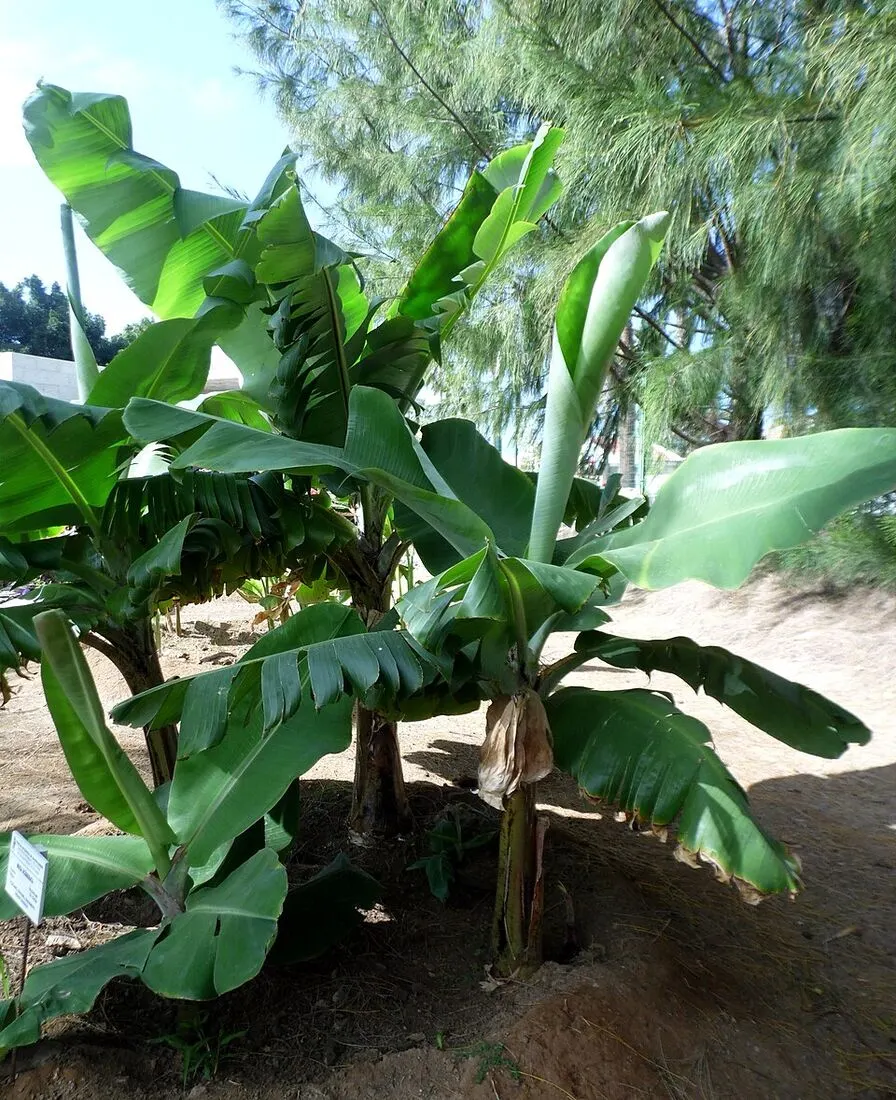
Elephant habitat has decreased by 70% over the last century. Railway lines, highways, and settlements fragment forest corridors that elephants need to move between seasonal ranges. Crop diversity has declined — the availability of sugarcane, banana, and paddy near forest edges attracts elephants. Human settlements have expanded into traditional elephant ranges.
The Scale of Human-Elephant Conflict
West Bengal, Odisha, Jharkhand, Assam, and Karnataka experience the most intense conflict. Crop raiding affects hundreds of thousands of farming households annually, causing economic losses that can equal an entire year's income for small farmers. Compensation systems are inadequate and slow, driving resentment toward elephants.
Solutions That Work
Evidence-based interventions to reduce conflict:
- Bee fence barriers — elephants strongly dislike bees; hive fences deter raiding effectively
- Early warning systems — SMS alerts when elephants are detected near villages
- Solar-powered electric fences — effective when properly maintained
- Crop insurance specific to wildlife damage
- Elephant corridors — protecting legal movement routes between reserves
- Community co-management of forest buffer zones
Changing the Narrative
Long-term coexistence requires shifting community attitudes toward elephants from threat to asset. Elephant-based ecotourism, compensation that actually works, community pride in having elephants as neighbours, and engaging children in conservation education all contribute to changing the relationship between people and elephants.
Conclusion
Human-elephant conflict is ultimately a land-use conflict — and its solution requires giving elephants enough space to live safely while ensuring farming communities are protected and compensated fairly. Both are possible with sufficient commitment.