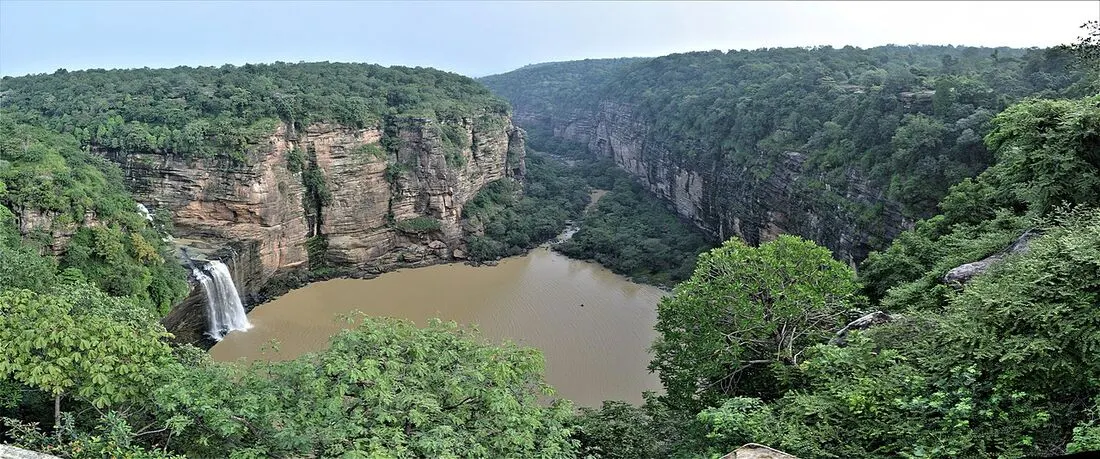
Photo: Anil kumar / Wikimedia Commons (CC BY-SA 4.0)
📋 In This Article
India hosts 60+ species of eagles, hawks, falcons, and vultures — from the Himalayan Griffon soaring at 7,000 metres to the tiny Spotted Owlet in city gardens. Many face serious population declines from habitat loss, poisoning, and persecution.
India's Iconic Raptors
The Indian Eagle-Owl, one of the world's largest owls, inhabits rocky outcrops across India. The Changeable Hawk-Eagle is a common forest resident. The White-bellied Sea Eagle patrols coastal wetlands. The Pallas's Fish Eagle nests along major rivers. The Short-toed Snake Eagle — as its name suggests — specialises in hunting reptiles across open country.
The Vulture Crisis
India's nine vulture species have suffered the most catastrophic raptor decline in history. The Diclofenac crisis: the anti-inflammatory drug given to livestock was lethal to vultures feeding on carcasses, causing a 97% population collapse within 10 years in the 1990s. Diclofenac was banned for veterinary use in 2006, and populations are slowly recovering — but remain critically endangered.
Conservation Efforts
Vulture breeding programmes at facilities in Haryana, Madhya Pradesh, West Bengal, and Assam are breeding critically endangered species for eventual reintroduction. "Vulture-safe zones" — areas where all cattle medications are screened for toxicity — are being established. In-situ protection of nesting sites (primarily in religious forests and community lands) is critical.
How to Support Raptor Conservation
Report sightings of raptors to eBird — population data guides conservation decisions. Advocate against vulture-toxic medications in your community. Support Bombay Natural History Society (BNHS) and Wildlife Institute of India (WII) raptor conservation programmes. Avoid cutting large trees with active raptor nests.
Conclusion
India's raptors are indicators of ecosystem health — their decline signals problems that ultimately affect human food security and environmental services. The vulture recovery story shows that conservation can succeed when the right intervention is identified and implemented.