📋 In This Article
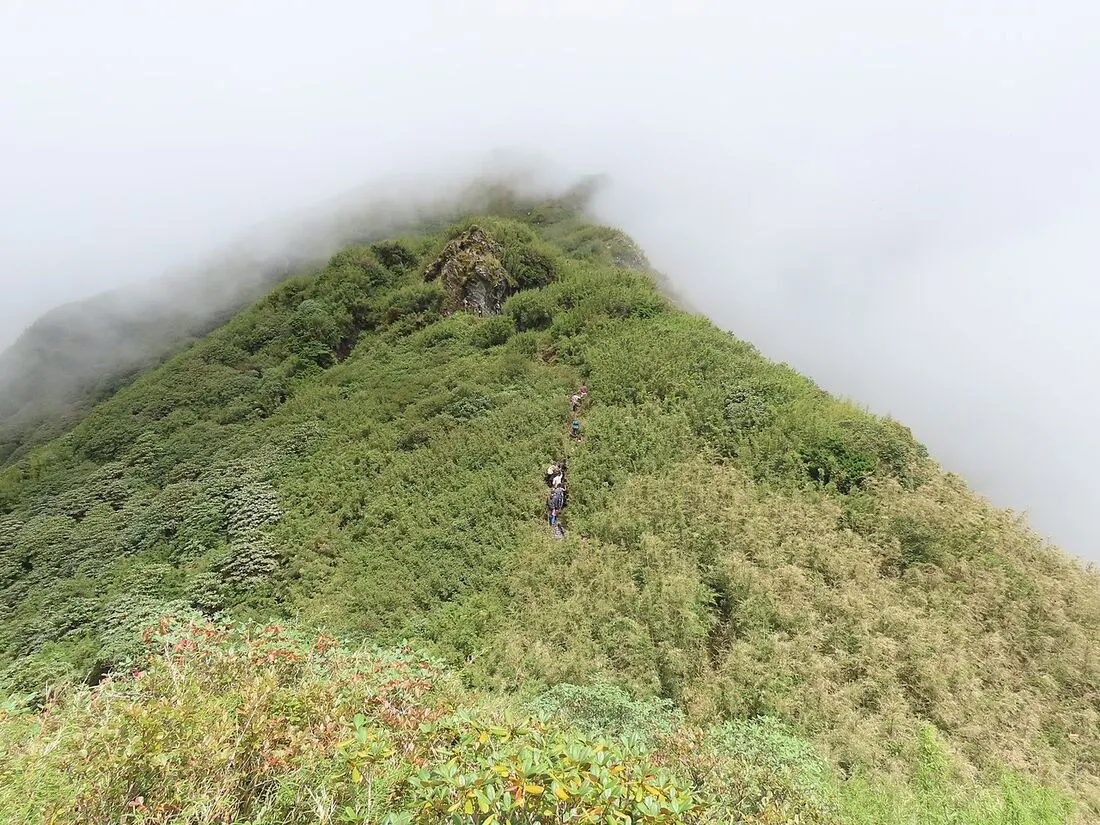
Coorg — officially Kodagu district in Karnataka — is India's most intensively coffee-growing region and one of its most lush, beautiful hill destinations. At 900-1,800m altitude, its mist-covered hills, coffee and cardamom estates, ancient warrior traditions (the Kodava people), and remarkable biodiversity make it one of South India's most rewarding destinations.
Coffee and Cardamom — The Coorg Economy
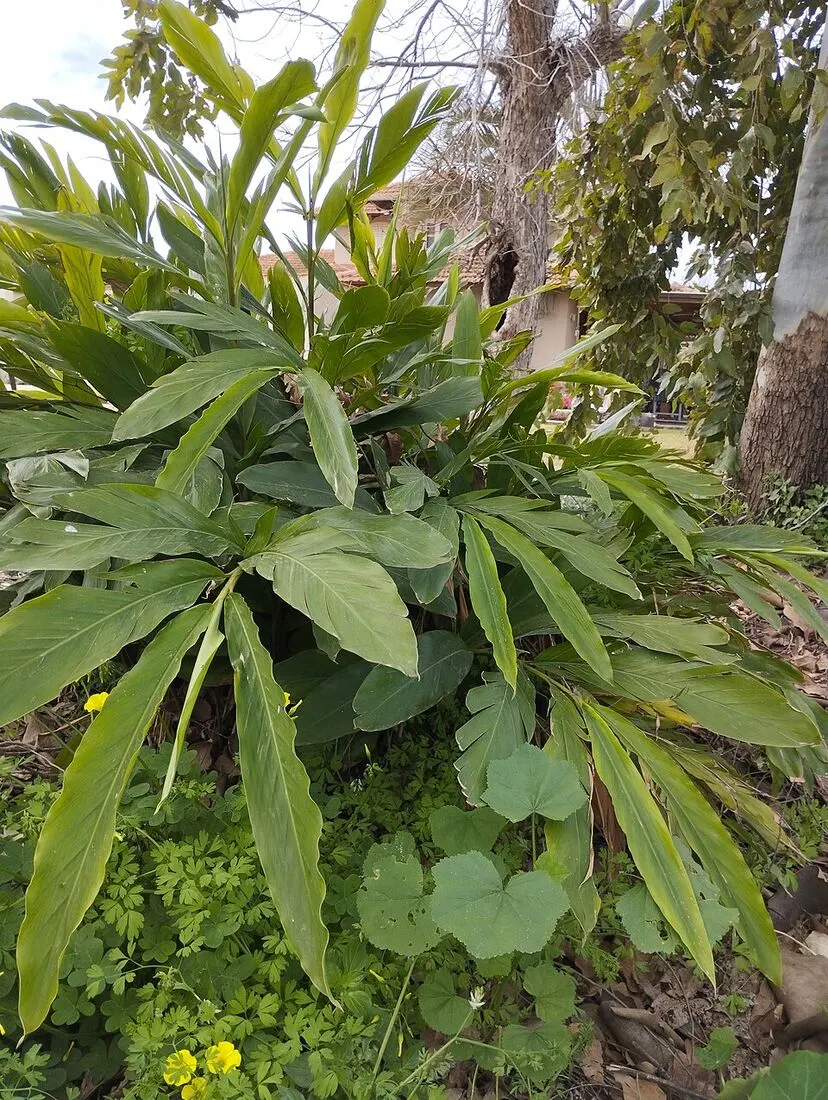
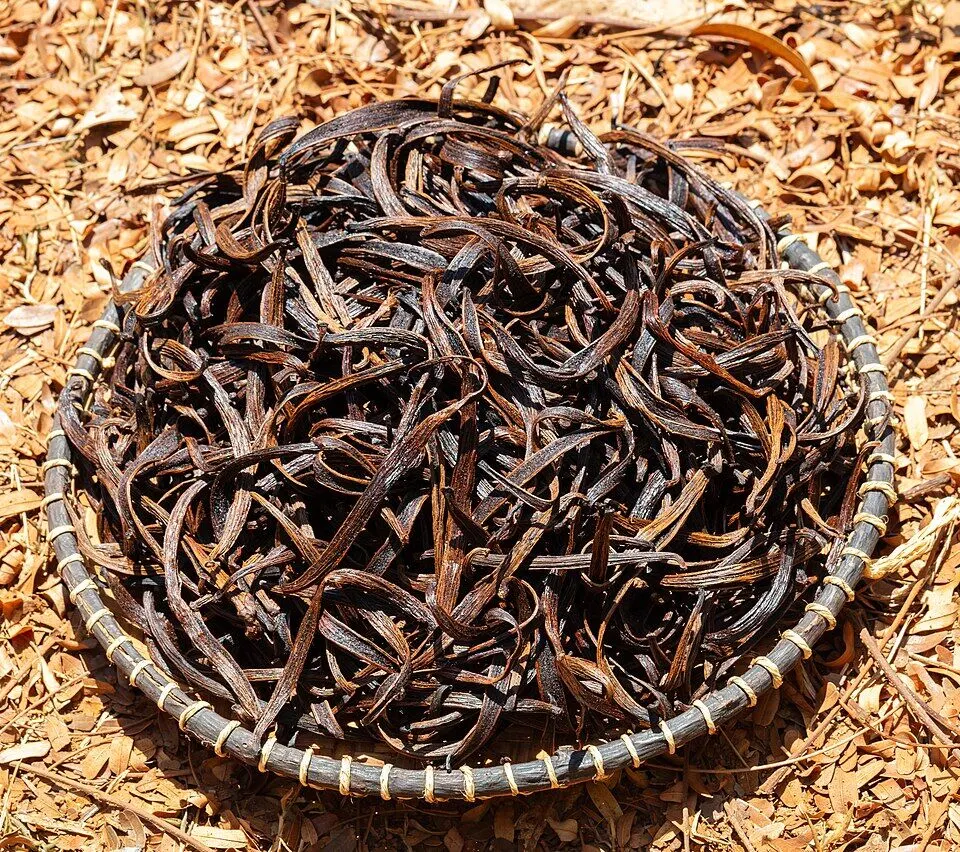
Coorg produces approximately 30% of India's coffee — primarily Arabica in the higher elevations and Robusta at lower elevations. Coffee estates (plantations) are the defining landscape of Coorg, their shade trees (silver oak) rising above low coffee bushes in an orderly, fragrant landscape. Many estate owners have opened their homes to coffee tourism — guided estate walks explain the growing, processing, and roasting process, followed by cupping sessions. Cardamom, pepper, and vanilla grow under the coffee canopy, creating a multi-layer agricultural landscape that doubles as excellent wildlife habitat.
- Coffee production: 30% of India's total output
- Arabica estates: higher altitude (>900m)
- Estate visits: available through multiple homestay operators
- Cardamom, pepper, vanilla — companion crops
Nature and Wildlife
Coorg is connected to the Brahmagiri Wildlife Sanctuary, Pushpagiri Wildlife Sanctuary, and Nagarhole National Park — part of the Nilgiri Biosphere Reserve. Elephants, leopards, bonnet macaques, and Malabar giant squirrels are seen in the coffee estates adjacent to forest corridors. The Kodagu landscape is a rare example of a human-dominated agricultural landscape that is also productive wildlife habitat. Irupu Falls (Brahmagiri), Abbey Falls near Madikeri, and Chelavara Falls provide spectacular waterfall experiences in the estate landscape.
Culture and Heritage
The Kodava people — Coorg's indigenous community — have a warrior tradition unlike any other in India: they are the only community exempted from the Arms Act (they may carry firearms by right). Kodava culture centres on the clan manor house (ainmane), ancestral weapons, the ceremonial Kailpodh festival, and a sophisticated cuisine (pandi curry, kadambuttu, akki roti) distinct from coastal Karnataka food. Visiting a Kodava homestay provides access to this culture in its living context.
Best Time and Getting There
October-March is ideal — post-monsoon green, comfortable temperatures (15-22°C), and clear skies. Avoid June-September monsoon (though the landscape is beautiful, roads are dangerous and estates are closed). Nearest airport: Mysore (119km) or Bengaluru (260km). Coorg has no railway — road access only. Hire a cab in Bengaluru or take KSRTC bus. Madikeri (the district headquarters) is the main base. From Madikeri, hire a local cab for estate visits — public transport is limited.
Conclusion
Coorg is the rare hill destination that satisfies the craving for both nature and culture — its coffee estate landscape is one of India's most beautiful, its wildlife is accessible and diverse, and its Kodava culture is among the subcontinent's most distinctive. It is among South India's finest travel experiences.