📋 In This Article
The Valley of Flowers National Park in Uttarakhand — a UNESCO World Heritage Site since 2005 — is one of the Himalayan high-altitude meadows that blooms with over 600 species of alpine wildflowers during July-September. At 3,658m altitude, surrounded by glaciated peaks, it is one of the most beautiful places on Earth and one of India's most achievable high-altitude treks.
The Trek Route
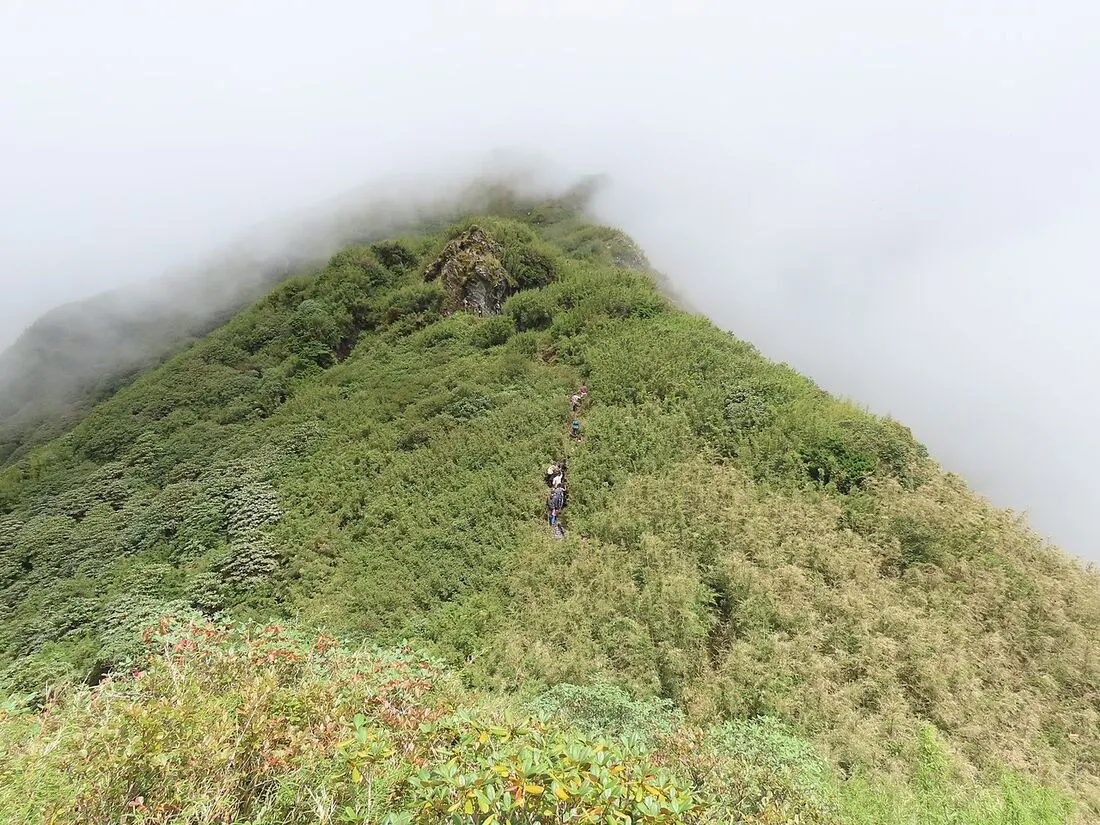
The Valley of Flowers trek begins at Govindghat (1,828m), reached from Rishikesh (300km, 10-12 hours by road) or Haridwar. Day 1: Govindghat to Ghangaria (3,050m, 13km, 5-6 hours ascent). Day 2: Ghangaria to Valley of Flowers (3,658m, 4km one-way) — spend the day exploring the valley, return to Ghangaria evening. Day 3: Optional side trip to Hemkund Sahib (4,329m Sikh shrine and glacial lake, 6km, steep) or second day in the valley. Day 4: Ghangaria to Govindghat descent. Total: 4-5 days. Fitness level: moderate — no technical climbing, but sustained steep ascent.
- Day 1: Govindghat → Ghangaria (13km, 5-6 hrs)
- Day 2: Ghangaria → Valley of Flowers (4km, return)
- Day 3: Hemkund Sahib optional (6km, very steep)
- Day 4: Return to Govindghat (descent, 4-5 hrs)
Permits, Rules, and Restrictions
Permits are required for the Valley of Flowers National Park and are obtained at the park gate at Ghangaria. Overnight camping inside the valley is NOT permitted — visitors must return to Ghangaria each evening. No plastic bags or single-use plastics are allowed. Photography of the wildflowers is permitted but plucking flowers is strictly prohibited (punishable by fine and imprisonment). No fires inside the park. Helicopter services from Govindghat to Ghangaria are available (Pawan Hans) but expensive — only recommended for medical emergencies or those unable to trek.
The Flowers — What to Expect
Peak bloom: mid-July to mid-August. Over 600 species flower in succession: blue Himalayan poppies (Meconopsis aculeata) — the most prized; Brahmakamal (Saussurea obvallata — India's highest-altitude flower, sacred to Lord Shiva); cobra lily (Arisaema spp.); various species of orchids, anemones, geraniums, primulas, and gentians. The valley floor is carpeted in flower colour — it genuinely looks like a painting. Several rare medicinal herbs used in Ayurveda — bhringraj, shatavari, brahmi — grow at altitude in adjacent meadows.
Essential Packing List
Mandatory items: sturdy waterproof hiking boots (ankle support for rocky trail), layered warm clothing (temperatures drop to 5-10°C even in summer at altitude), rain gear, trekking poles (critical for steep sections), headlamp, first aid with altitude sickness medication (Diamox — consult doctor before use), water purification tablets, sunscreen SPF 50+, and snacks for the day in the valley (no food sold inside the park). Altitude acclimatisation: spend one night in Ghangaria before entering the valley. Avoid ascending too fast — altitude sickness at 3,658m is possible for unacclimatised visitors.
Conclusion
The Valley of Flowers is one of those places that exceeds every photograph taken of it — the scale, the fragrance, the silence, and the surreal beauty of a Himalayan high-altitude meadow in full bloom cannot be fully communicated. It is one of India's most precious and accessible wilderness experiences.