📋 In This Article
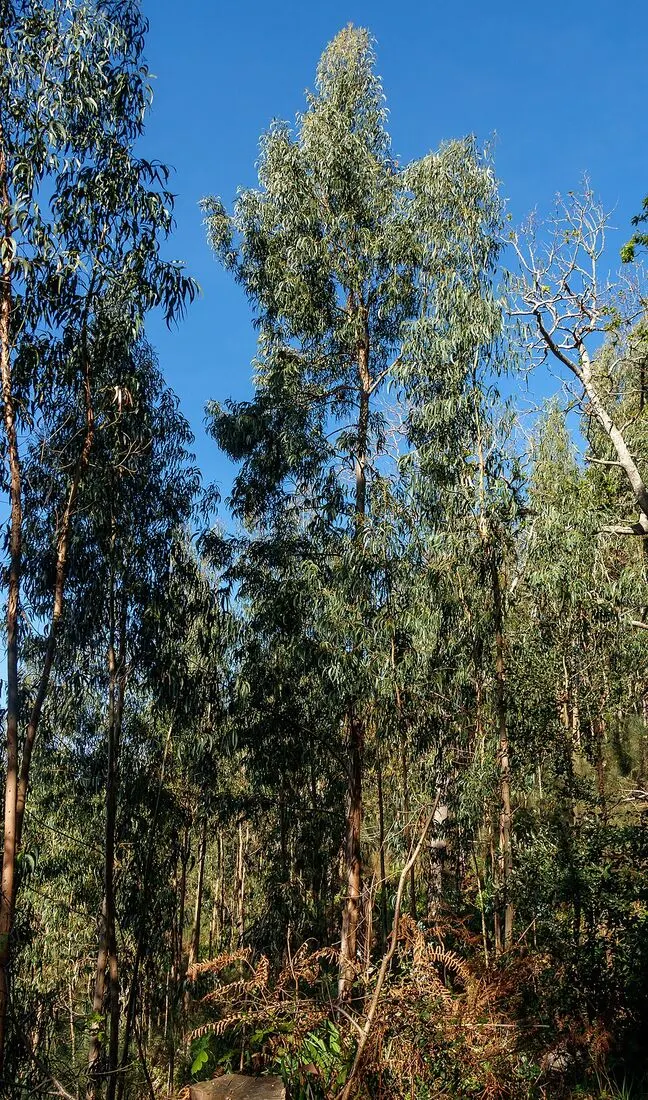
Munnar — at 1,600m in the Western Ghats of Kerala — is one of South India's most iconic hill destinations. Its defining landscape: endless tea gardens covering the hills in a precise geometric green carpet, interspersed with eucalyptus woods and misty valleys. Munnar is also home to the Eravikulam National Park and its population of Nilgiri Tahr — India's rarest mountain goat.
The Tea Landscape
Munnar's tea estates were established by British planters in the 1870s and are primarily owned today by Tata Global Beverages and a few other large companies. The Kannan Devan brand originated here. The tea-processing factories in Munnar offer guided tours showing plucking (the "two leaves and a bud" standard), withering, rolling, oxidation, drying, and sorting — an excellent education in how the world's most consumed beverage is made. The KDHP (Kanan Devan Hills Plantation) museum in Munnar town has a comprehensive exhibition on the region's tea history.
- Tata Tea's Kannan Devan Hills Plantations — the primary estate
- Tea factory tours — available year-round at Nyayamakad
- KDHP Museum — Munnar town, free entry
- Tea tasting sessions — available at most resorts
Eravikulam National Park and the Nilgiri Tahr
Eravikulam National Park (97 sq km, adjacent to Munnar) hosts the largest population of Nilgiri Tahr — approximately 900 individuals. These mountain goats (technically not true tahrs but wild goats) are endemic to the Southern Western Ghats and are classified as Endangered. Remarkably habituated to visitors (due to protection since 1978), they are seen at close range on the Rajamala grasslands trail. The park is closed during calving season (February-March). Entry fee and permit from the park gate; the 3km trail into the grasslands is non-strenuous.
Neelakurinji — The 12-Year Bloom
Neelakurinji (Strobilanthes kunthiana) is a flowering shrub endemic to the Western Ghats that carpets entire hillsides in purple-blue flowers — but only once every 12 years. The extraordinary phenomenon (called mast seeding — simultaneous mass flowering of all plants in a species) last occurred in 2018, blanketing Munnar's hills in blue, visible from 10km away. The next bloom is expected in 2030 — marking it on the calendar is worthwhile. Outside bloom years, the shrubs are present throughout the landscape but remain unflowering.
Beyond Tea — Munnar's Nature
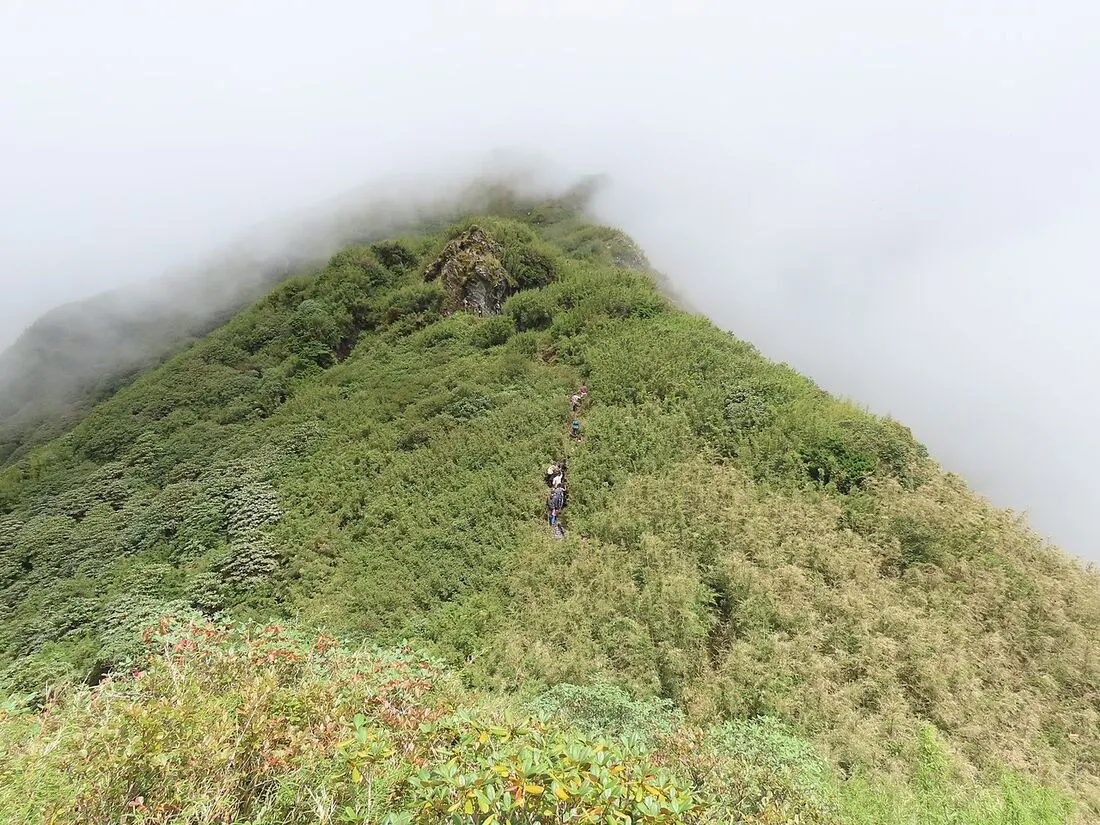
Munnar has several excellent trekking opportunities: Anamudi Peak (2,695m — the highest peak in South India) requires a Forest Department permit and is a one-day trek from Rajamala. Chokramudi Peak (2,362m) is accessible without permit. Mattupetty Dam and Kundala Lake offer boat rides in scenic reservoir settings. Chinnar Wildlife Sanctuary (55km from Munnar) has dry deciduous forest with rare elephants, leopards, and the star tortoise. The Munnar-Kodaikanal road (via Top Station) is one of South India's most spectacular mountain drives.
Conclusion
Munnar delivers the quintessential Kerala hill experience — emerald tea gardens, mist, mountain wildlife, and a sense of the world slowing down to match the pace of the hills. It is a destination that rewards slow exploration: spending 3-4 days walking the estate lanes, visiting the park, and simply sitting with the view is time exceptionally well spent.