Photo: PattayaPatrol / Wikimedia Commons (CC BY-SA 4.0)
📋 In This Article
Fresh herbs from your own balcony are incomparably better than store-bought — more fragrant, more potent, and free. A small 3×4 ft balcony can grow every herb a typical Indian kitchen needs year-round.
The Essential Indian Kitchen Herb Collection
Start with these six herbs that are used daily in Indian cooking.
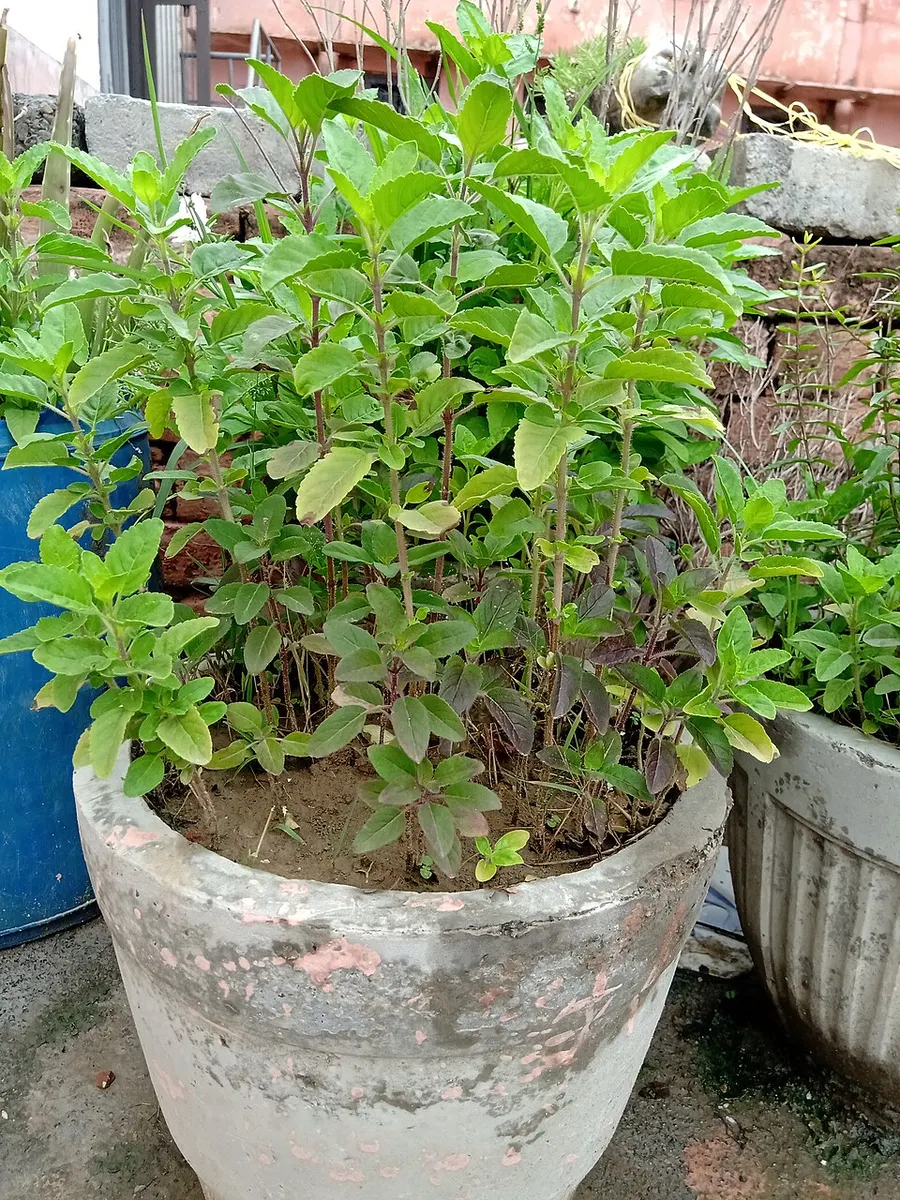
- Tulsi (Holy Basil) — sacred, medicinal, tea, and cooking
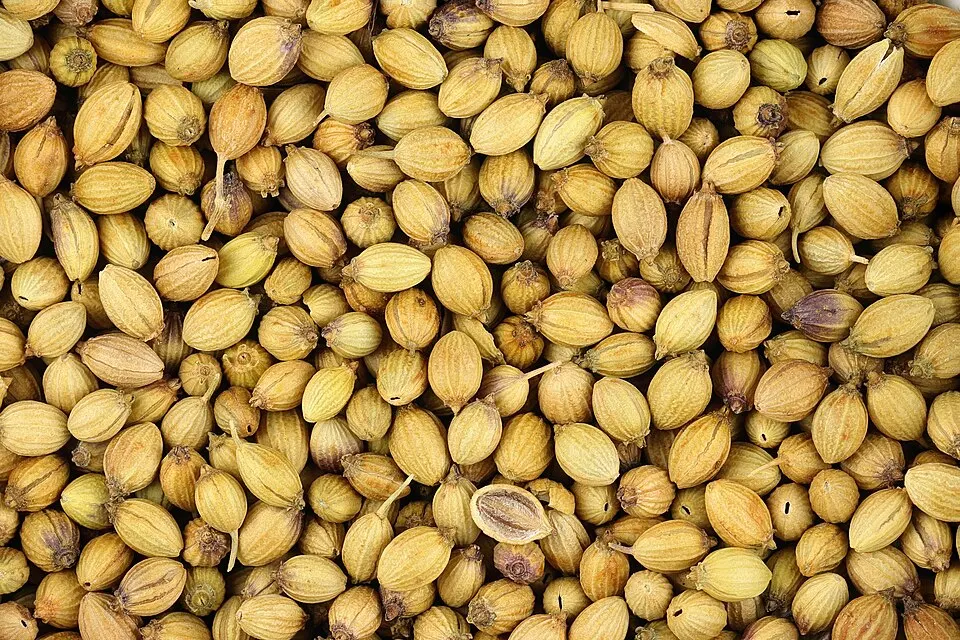
- Coriander/Dhania — sow every 3 weeks for continuous harvest
- Mint/Pudina — chutney, drinks, biriyani — grows aggressively
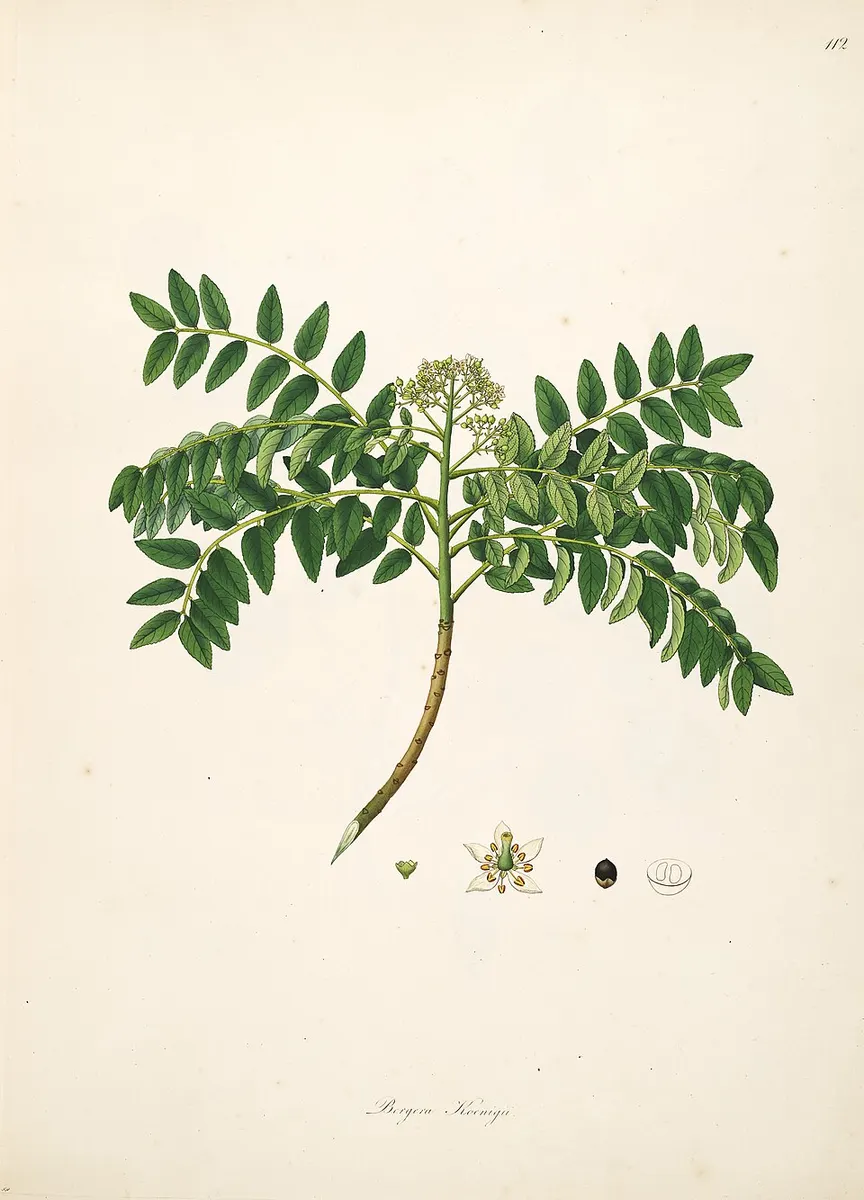
- Curry Leaf/Kadipatta — essential for South Indian cooking
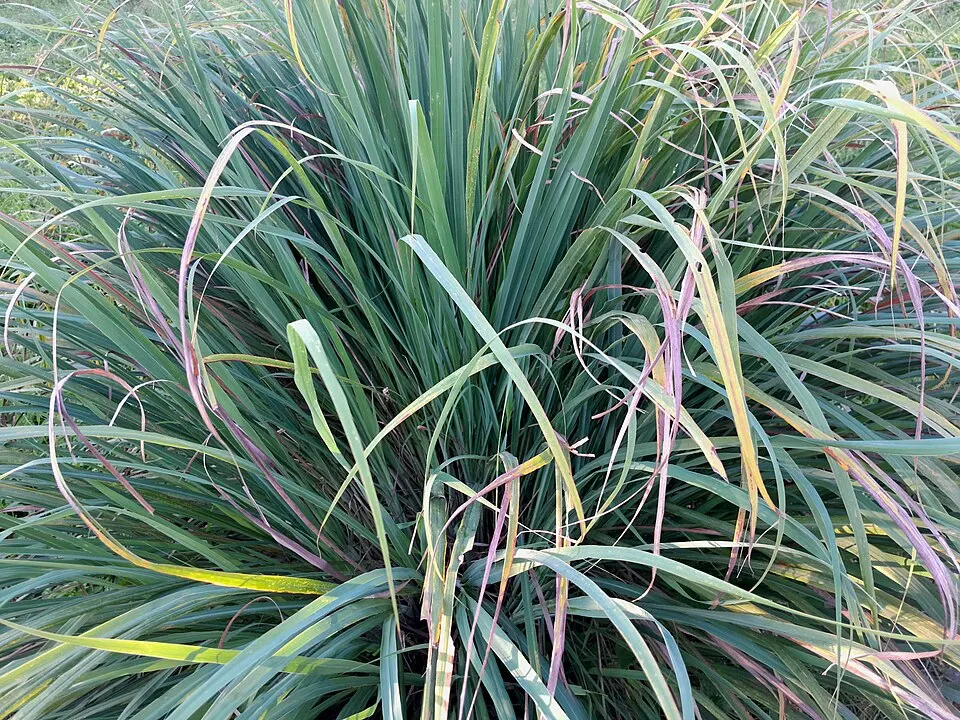
- Lemongrass — herbal tea, cooking, pest repellent
- Green Chilli — grows easily in a 6-inch pot
Sowing and Planting Tips
Coriander is best grown from seed sown directly — it hates transplanting. Mint and tulsi grow easily from cuttings. Curry leaf is best bought as a young plant from a nursery (1–2 ft size is ideal). Lemongrass can be started from a supermarket stalk — place in water until roots form, then pot up.
Container and Soil Requirements
Most herbs thrive in 6–8 inch pots with well-draining potting mix. Avoid heavy soil — herbs prefer loose, airy medium. Feed monthly with a diluted liquid fertiliser. Most herbs prefer full sun to partial shade; curry leaf and tulsi need at least 4–5 hours of direct sun.
Harvesting for Maximum Production
Harvest herbs regularly and lightly rather than waiting for large harvests. Trim the top 30% of mint and coriander to encourage bushy growth. For tulsi, remove flower buds as they form to keep leaves productive. Regular harvesting is the key to continuous, abundant herb production.
Conclusion
A balcony herb garden is the single most practical garden project in any Indian kitchen. Start with coriander, mint, and tulsi — total cost: under ₹200, payback: priceless.