Photo: PattayaPatrol / Wikimedia Commons (CC BY-SA 4.0)
📋 In This Article
The right container can make or break a balcony plant. Too small and roots are cramped; wrong material and watering becomes a constant battle. Here's how to choose wisely.
Container Types Compared
Terracotta is breathable and ideal for succulents and drought-tolerant plants but dries fast. Plastic retains moisture — good for tropical plants and those that prefer consistent moisture. Fabric grow bags provide excellent aeration and drainage, preventing root circling — the best choice for vegetables.
- Fabric grow bags — best for vegetables, self-pruning roots
- Terracotta — herbs, succulents, good drainage
- Glazed ceramic — tropical foliage, moisture-retentive
- Plastic containers — lightweight, affordable, versatile
- Metal/tin pots — stylish but heat up quickly in sun
Sizing Guide
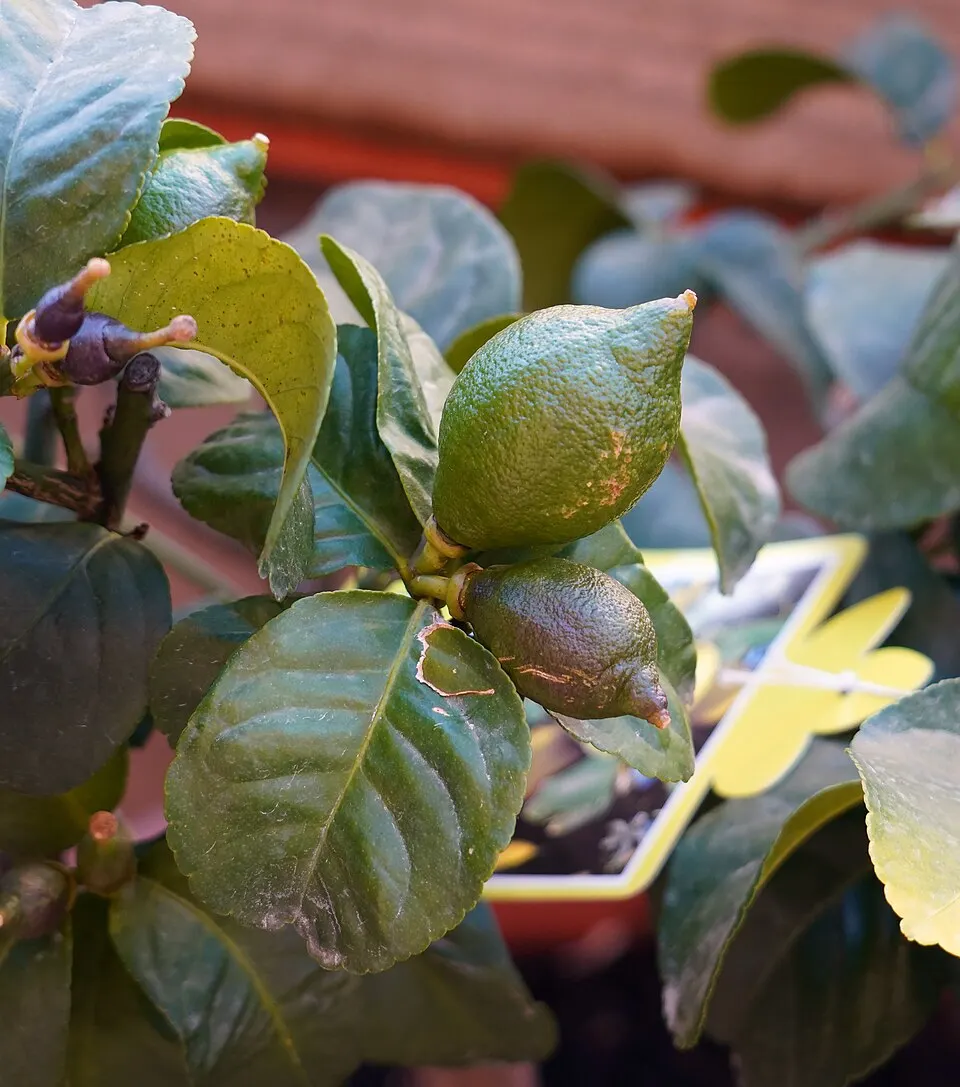
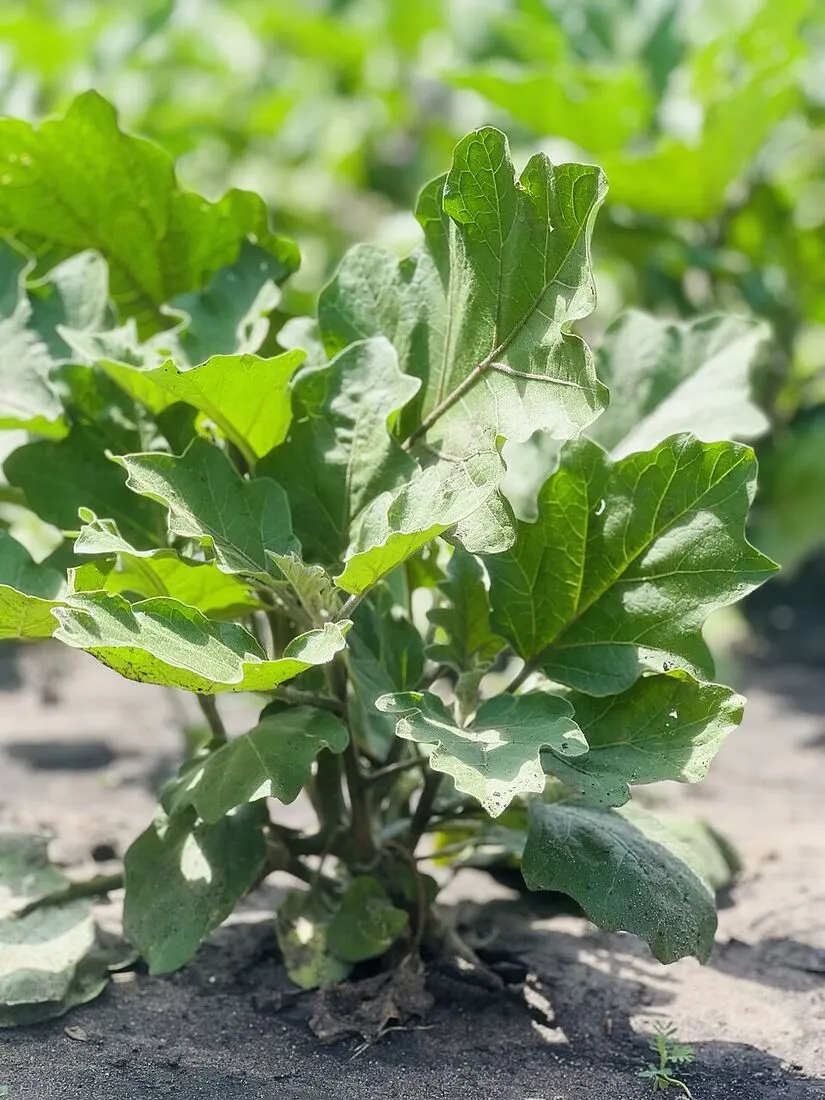
Herbs need just 6–8 inch pots. Most flowers work in 8–10 inch containers. Tomatoes, brinjal, and chilies need 12–16 inch pots minimum. Large fruit plants (dwarf mango, lemon) need 18–24 inch containers or fabric grow bags of 15–25 litres capacity.
Drainage Is Non-Negotiable
Every container must have drainage holes at the base. If your decorative pot lacks holes, use it as a cachepot — place a plastic nursery pot inside it. Place pebbles or broken pottery over drainage holes to prevent clogging while keeping soil in.
Maximising Limited Space
Stack tiered plant stands to multiply growing area vertically. Use wall-mounted planters for herbs. Hang baskets for trailing plants like strawberries and cherry tomatoes. A single 3-tier stand can hold 9 herb pots in the floor space of one large pot.
Conclusion
Containers are a one-time investment that lasts years. Buy quality fabric grow bags and a few terracotta pots for herbs — this combination covers 80% of balcony gardening needs.