Photo: PattayaPatrol / Wikimedia Commons (CC BY-SA 4.0)
📋 In This Article
India has millions of flat rooftops sitting empty and baking in the sun. Converting even a portion into a productive garden reduces indoor temperature, grows fresh food, and creates a private green sanctuary in the city.
Structural Considerations First
Before adding soil and plants, consult a structural engineer if you plan a large garden. A cubic metre of wet soil weighs 1,500–2,000 kg. Use lightweight alternatives: cocopeat-based mixes (60% lighter), fabric grow bags instead of heavy pots, raised beds with drainage layers. Containers spread weight more evenly than solid beds.
Layout Planning
Divide the rooftop into zones: a sunny zone for fruiting vegetables (tomatoes, chilies, brinjal), a partially shaded zone for leafy greens and herbs, and a structural zone for larger containers of dwarf fruit trees. Leave walking paths between beds.
Water Management
Install a drip irrigation system for efficiency. Ensure your terrace has proper waterproofing before setting up any permanent beds — chronic moisture can damage concrete. Use trays under pots to catch runoff, or install a collection system to recycle water.
What to Grow on a Rooftop
Rooftops get maximum sunlight, making them ideal for the most demanding crops.
- Tomatoes, chili, brinjal — love rooftop heat
- Leafy greens — grow fast, harvest frequently
- Gourds (bottle, ridge, bitter) — train on a trellis overhead
- Marigolds and flowers — pest deterrent and beauty
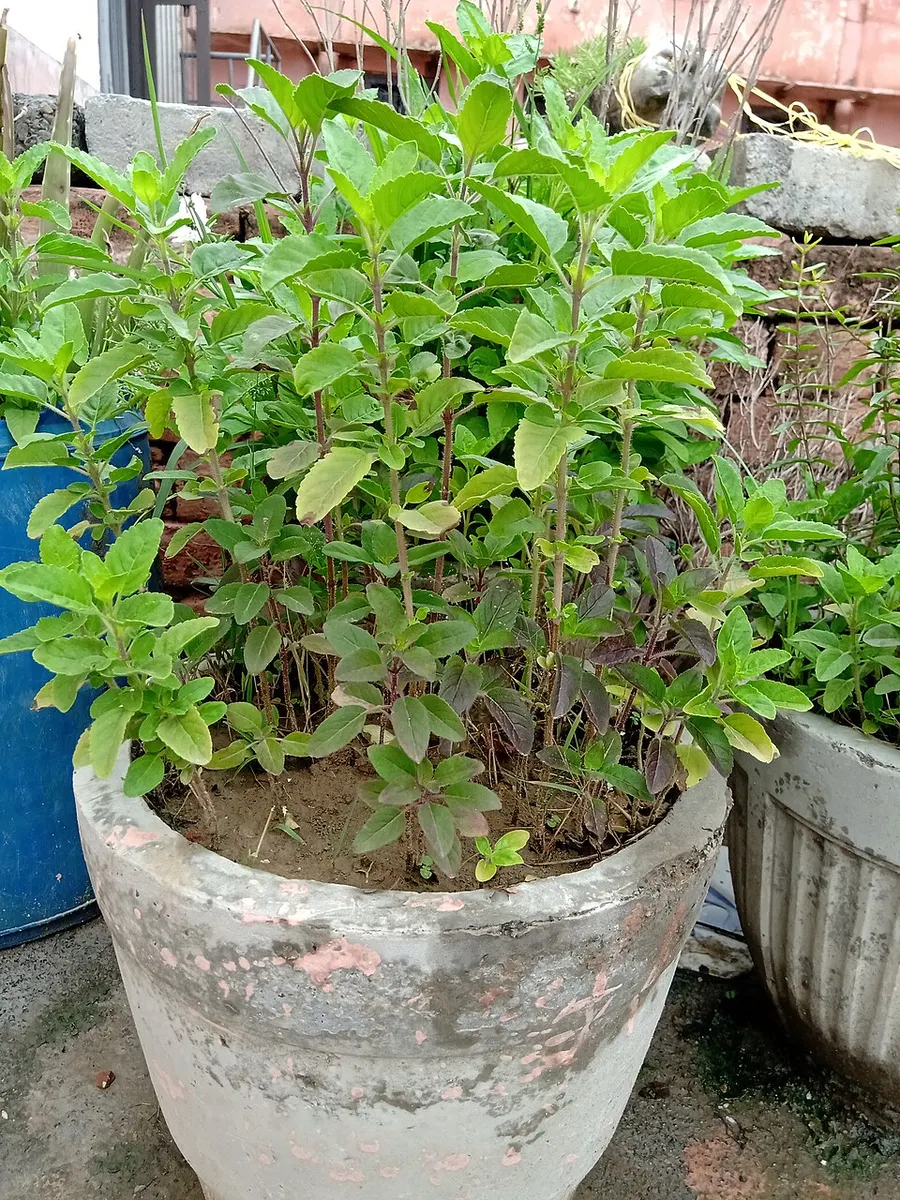
- Herbs — tulsi, mint, curry leaf, lemongrass
Conclusion
A productive rooftop garden can supply 30–40% of a family's vegetable needs while cooling the floor below by 3–5°C. The investment in setup pays back quickly in food savings and wellbeing.