📋 In This Article
Companion planting is one of nature's most elegant ideas — certain plants actively benefit their neighbours by repelling pests, attracting pollinators, fixing nitrogen, or providing shade. It's a free, chemical-free way to boost your garden's productivity.
The Three Sisters — A Classic Example
The Native American Three Sisters combination of corn, beans, and squash is perhaps the most famous companion planting system. Corn provides a trellis for beans, beans fix nitrogen that feeds corn and squash, and squash's large leaves shade the soil to suppress weeds and retain moisture.
Best Companion Planting Combinations
These pairings are proven and widely practiced.
- Tomatoes + Basil — basil repels aphids and whitefly
- Marigolds + Vegetables — repels nematodes and many pests
- Roses + Garlic — garlic deters aphids from rose bushes
- Carrots + Onions — onion scent confuses carrot fly
- Cucumber + Dill — dill attracts cucumber's beneficial predator insects
- Cabbage + Nasturtium — nasturtiums act as aphid traps
Plants That Should Not Be Grown Together
Some plants release chemicals that inhibit neighbours. Fennel is notoriously antagonistic — keep it away from most vegetables. Sunflowers suppress nearby vegetables through allelopathy. Onions and beans planted together reduce each other's yields.
Using Companion Planting for Pest Control
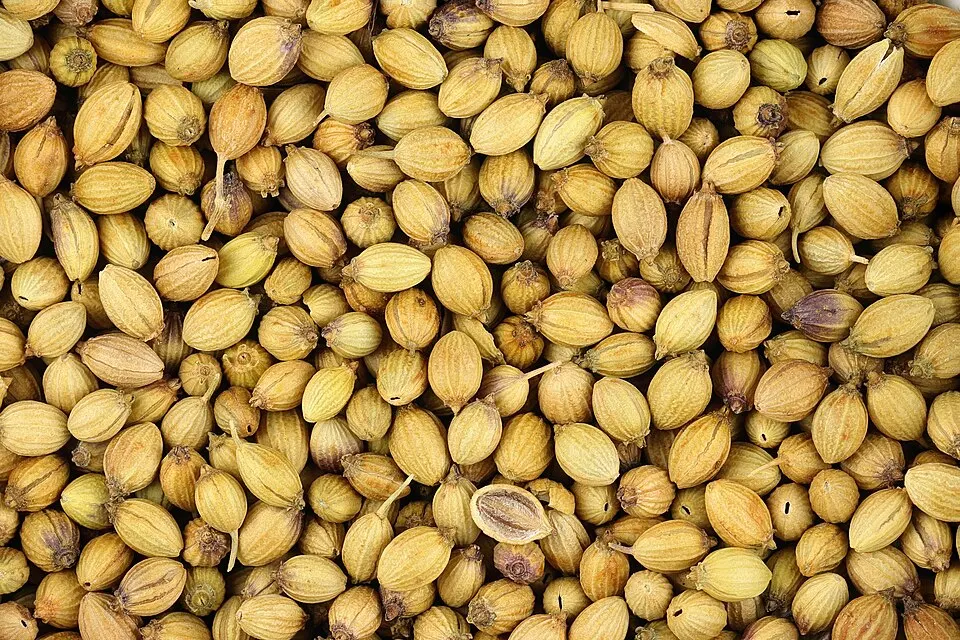
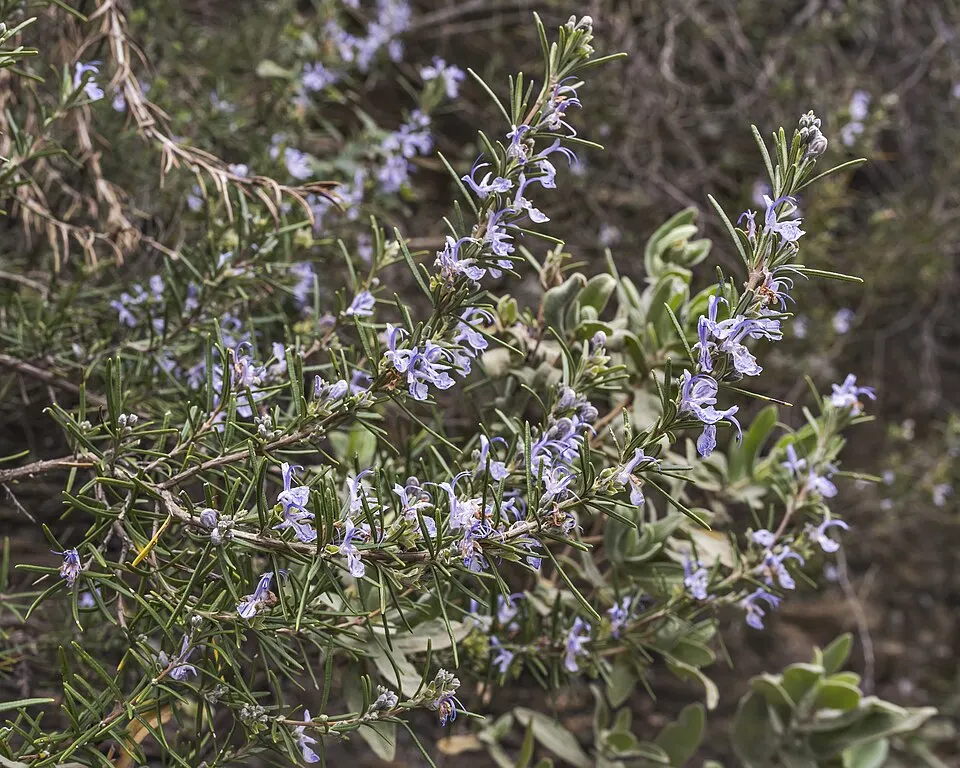
Aromatic herbs like mint, rosemary, and basil confuse pests that locate plants by scent. Nasturtiums attract aphids away from vegetables (sacrifice plant strategy). Planting dill, fennel, and coriander to flower attracts ladybirds and wasps that prey on garden pests.
Conclusion
Companion planting is low-risk and high-reward — even adding a few marigolds or basil plants among your vegetables will make a visible difference in pest pressure and plant vigour.