📋 In This Article
India's diverse climate means gardening timings vary significantly by region — what to plant in January in Tamil Nadu is different from Delhi. This calendar covers the major growing zones across India.
North & Central India Planting Calendar
January–February: sow onion, peas, carrots, marigold. March–April: plant gourds, okra, sunflowers. May–June: prepare soil, sow monsoon vegetables. July–September: plant leafy greens, cucumber, beans. October–November: sow cauliflower, cabbage, spinach. December: maintain winter vegetables, sow sweet peas.
South India & Coastal Regions
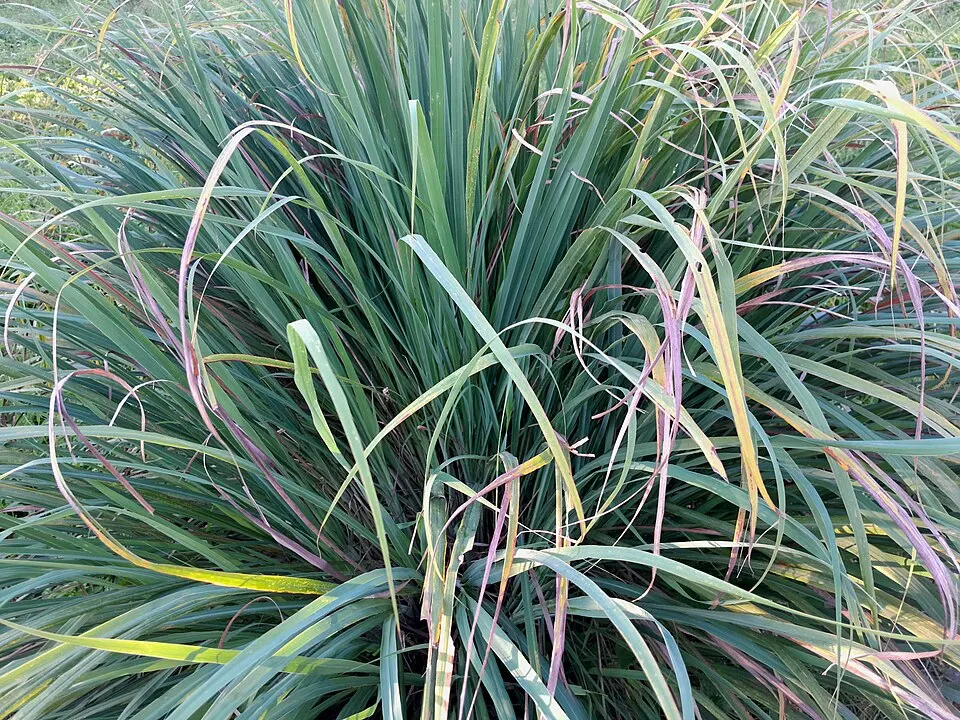
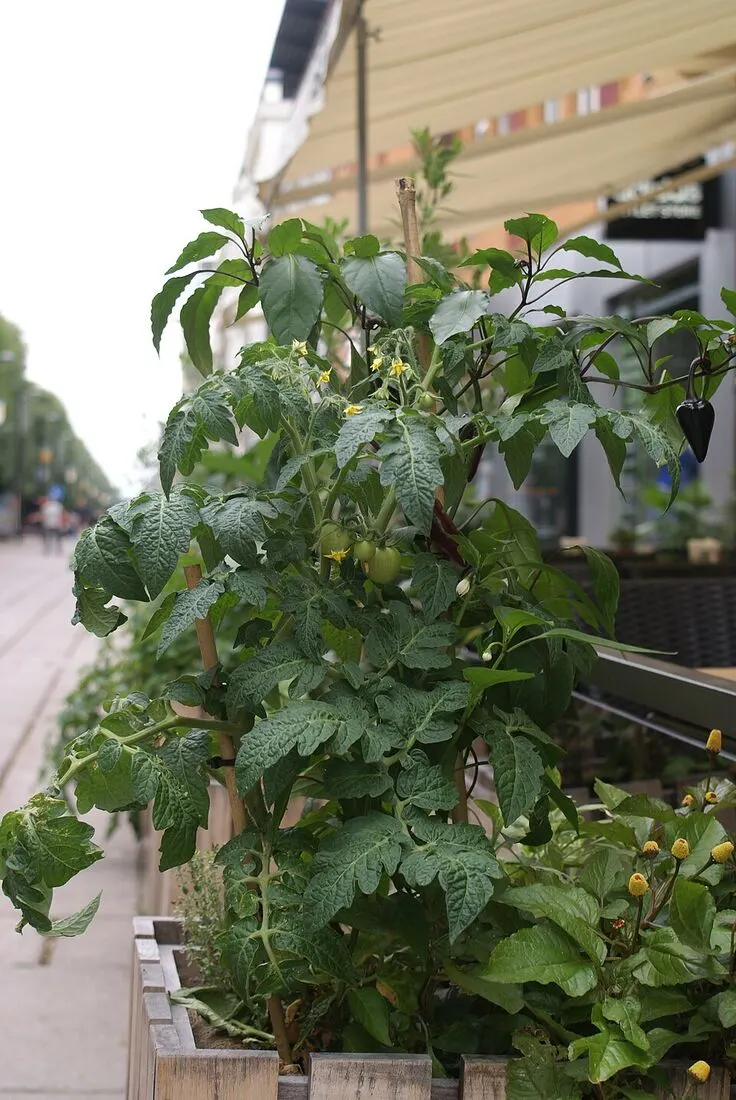
South India has two main sowing seasons: Kharif (June–October) for rice, beans, and gourds; and Rabi (November–March) for vegetables and flowers. Year-round warmth allows continuous growing of tomatoes, chillies, and tropical herbs like curry leaf and lemongrass.
Fruits and Trees — When to Plant
March–April is the best time to plant most fruit saplings across India before monsoon rains establish them. Mangoes can be planted throughout the year in South India but do best before the rains in North India. Citrus trees establish best in the October–November cool season.
Monthly Quick Reference
Use this seasonal rhythm as a guide.
- Jan–Feb: peas, carrots, onion, marigold
- Mar–Apr: gourds, okra, sunflowers, tomato seedlings
- May–Jun: soil prep, cowpea, monsoon vegetable sowing
- Jul–Aug: cucumber, beans, leafy greens, quick crops
- Sep–Oct: cauliflower, cabbage, flower beds
- Nov–Dec: root vegetables, bulbs, winter greens
Conclusion
Planting in season, with the right plants for your climate zone, is the single biggest factor in garden success. Follow this calendar for one full year and you'll learn more about your specific garden than any book can teach.