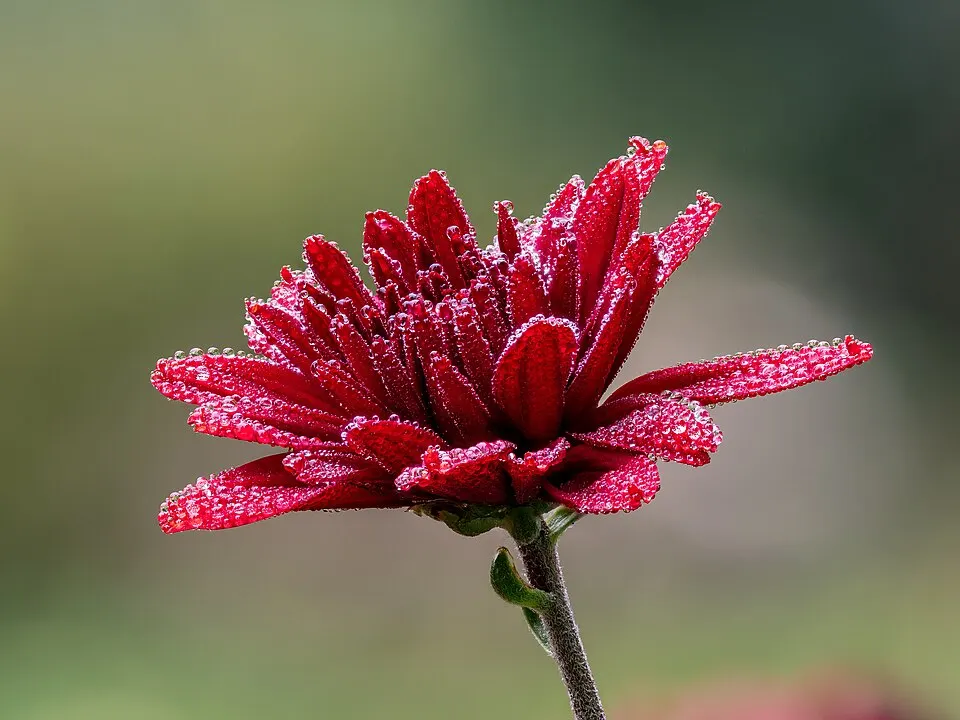
Photo: Ermell / Wikimedia Commons (CC BY-SA 4.0)
Chrysanthemum (Chrysanthemum morifolium): Beloved autumn flower used in traditional Chinese and Ayurvedic medicine for eye health and cooling.
🔍 Quick Facts
| Common name | Chrysanthemum |
| Other names | Guldaudi, Sevanti (Hindi, Marathi); Chamanthi (Telugu, Tamil) |
| Scientific name | Chrysanthemum morifolium |
| Plant family | Asteraceae (daisy family) |
| Size | 30–120 cm perennial |
| Native region | China, Japan |
| Climate | Temperate |
| Ease of growing | Moderate |
| Parts used | Flowers, Leaves |
About Chrysanthemum
Chrysanthemums are short-day plants: they flower when nights become longer in autumn, which is why the big Indian chrysanthemum shows are held in November–December. Sevanti is widely used for garlands in South India. Chrysanthemum tea (from Chrysanthemum morifolium flowers) is popular in China for cooling and eye health, and the plant was one of those listed in NASA's 1989 indoor air study.
Botanically known as Chrysanthemum morifolium, it belongs to the Asteraceae family. It is native to China, Japan and grows best in a temperate climate. The parts most often used are the flowers and leaves.
Uses in the Garden & Tradition
Chrysanthemum is best known for:
- Eye health
- Fever reduction
- Headache
- Liver health
- Antioxidant
How It Is Used
- Grown for autumn colour and cut flowers.
- Flowers are strung into garlands.
- Dried flowers are brewed into a light, floral tea.
How to Grow Chrysanthemum
| ☀️ Sunlight | Full sun; flowering is triggered by long nights, so avoid artificial light at night. |
| 💧 Watering | Regular; keep soil evenly moist. |
| 🪴 Soil | Rich, well-drained soil with compost. |
| 🌱 Propagation | Suckers or terminal cuttings in June–July. |
| 📅 When to plant (India) | Plant June–July; pinch until August; flowers November–January. |
| 🏡 In pots / at home | Excellent in 10–12 inch pots — most show blooms are pot-grown. |
Precautions & Safety
- Can cause contact dermatitis in sensitive people.
- Toxic to cats and dogs if eaten.
Frequently Asked Questions
Further Reading on Chrysanthemum
Written by the WhyOnPlanet editorial team · Last updated October 2026