Photo: Shixart1985 / Wikimedia Commons (CC BY 2.0)
📋 In This Article
Chronic inflammation is now recognised as the root driver of most non-communicable diseases — cardiovascular disease, type 2 diabetes, cancer, Alzheimer's, arthritis, and depression. Ayurveda's concept of ama (toxic accumulation) producing daha (heat/inflammation) throughout the body mirrors this understanding precisely. The Ayurvedic anti-inflammatory diet was codified 3,000 years before the discovery of prostaglandins.
Understanding Inflammation
Acute inflammation is essential — it heals wounds and fights infections. Chronic, low-grade inflammation is the problem: persistently elevated inflammatory markers (CRP, IL-6, TNF-alpha) driven by poor diet, stress, sleep deprivation, environmental toxins, and gut dysbiosis. The Standard American Diet (and increasingly the Standard Indian Urban Diet — refined flour, sugar, seed oils, processed food) is pro-inflammatory. The Ayurvedic dietary approach is inherently anti-inflammatory because it emphasises whole foods, digestive health, and specific anti-inflammatory spices in every meal.
The Core Anti-Inflammatory Foods
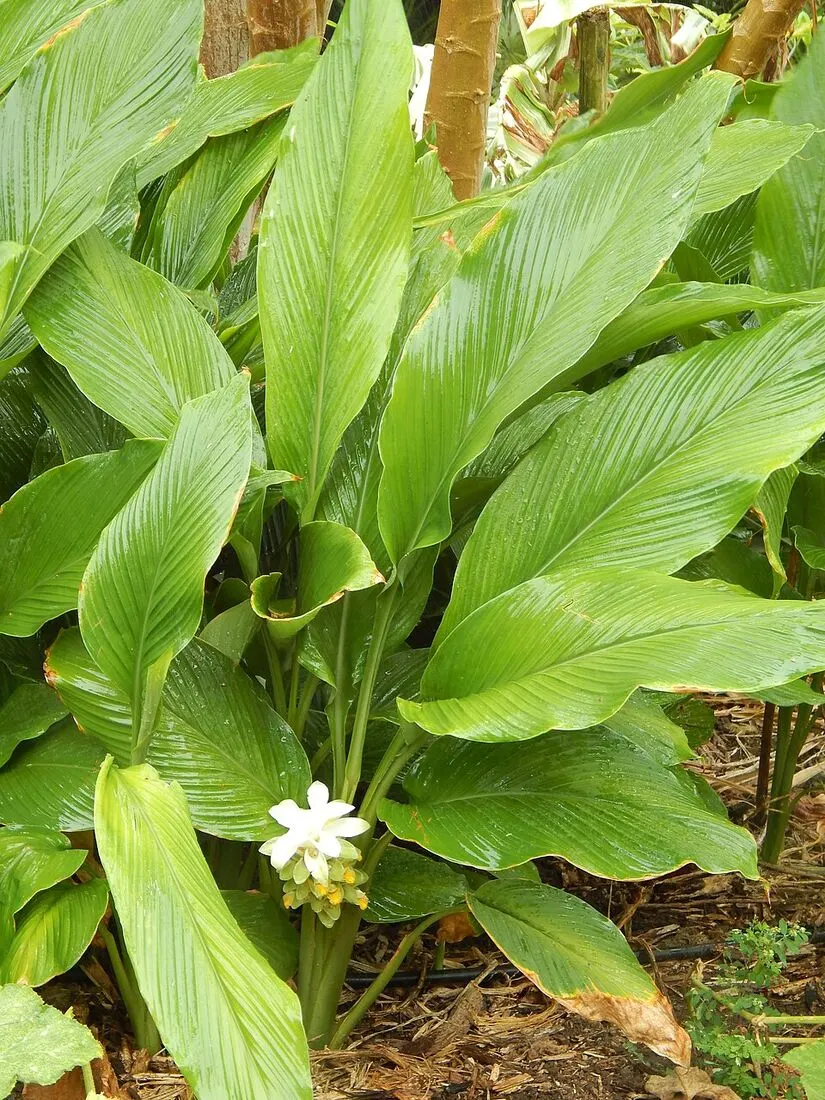
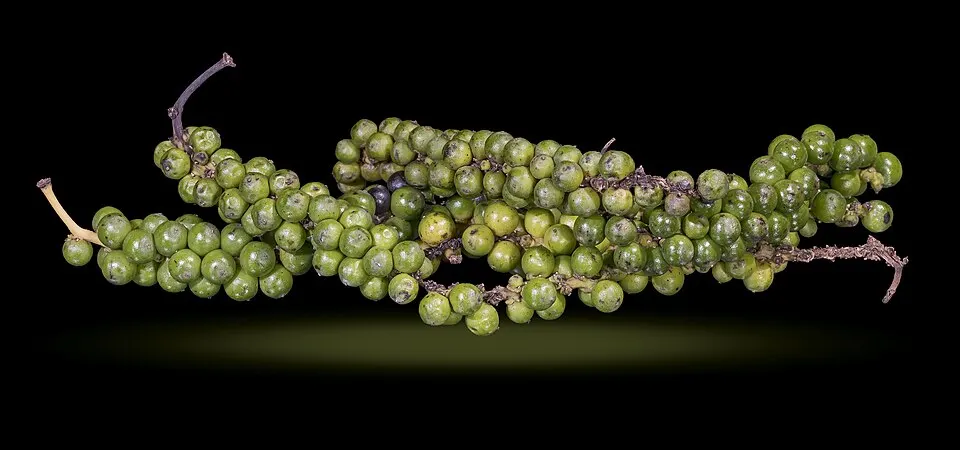
Turmeric/curcumin is the most studied anti-inflammatory food compound — inhibiting NF-kB (the master inflammation switch) through multiple pathways. Use with black pepper (piperine increases curcumin absorption 2000%) and fat (curcumin is fat-soluble). Ginger's gingerols and shogaols inhibit COX-2 (the same enzyme as ibuprofen) at doses of 2-4g daily. Omega-3 fatty acids (from flaxseed, walnuts, fatty fish) reduce inflammatory eicosanoids. Dark leafy greens provide magnesium (deficiency is associated with elevated CRP) and polyphenols. Berries provide anthocyanins that reduce oxidative stress and inflammation.
- Turmeric + black pepper + fat — taken daily
- Ginger — 2-4g fresh, in cooking or tea
- Flaxseed/walnuts — omega-3 ALA
- Leafy greens — magnesium, polyphenols
- Garlic — allicin, anti-inflammatory and antimicrobial
Foods to Reduce or Eliminate
Refined sugar triggers the release of inflammatory cytokines within hours of consumption and feeds pathogenic gut bacteria. Refined seed oils (sunflower, soybean, corn) are high in omega-6 linoleic acid — pro-inflammatory at high intake ratios to omega-3. Ultra-processed foods contain advanced glycation end-products (AGEs), preservatives, and emulsifiers that damage the gut lining and trigger systemic inflammation. White flour spikes blood glucose (associated with inflammatory marker release) and lacks the fibre needed to feed anti-inflammatory gut bacteria. Alcohol at more than 1-2 drinks daily increases intestinal permeability ("leaky gut") — the mechanism linking poor diet to systemic inflammation.
Building Anti-Inflammatory Meals
Every meal should include an anti-inflammatory spice (turmeric, ginger, or garlic), a fibre source to feed anti-inflammatory gut bacteria (dal, vegetables, whole grains), a healthy fat to carry fat-soluble anti-inflammatory compounds, and a polyphenol source (any vegetable, fruit, tea, or dark spice). The traditional Indian thali — dal, sabzi, roti, rice, curd, and pickle — naturally achieves most of this if made from whole, traditionally prepared ingredients. The anti-inflammatory Indian meal is not exotic: it is the traditional meal before industrialised food replaced it.
Conclusion
The anti-inflammatory diet is not a special protocol — it is a return to whole, traditionally prepared food with targeted spice use. Turmeric in every dal, ginger in every sabzi, garlic in every tarka, fresh vegetables at every meal: the traditional Indian kitchen was anti-inflammatory by design. The chronic disease epidemic followed the abandonment of these traditions.