Photo: Shixart1985 / Wikimedia Commons (CC BY 2.0)
📋 In This Article
The word "detox" has been co-opted by the supplement industry to mean juice fasts, lemon water cleanses, and charcoal drinks — most of which have little scientific basis. Ayurvedic detoxification is different: a systematic reduction of digestive load to allow the body's own eliminative systems (liver, kidneys, lymph, skin, bowel) to clear accumulated ama (metabolic waste). No starvation required.
Preparing for the Detox (Days 1-2)
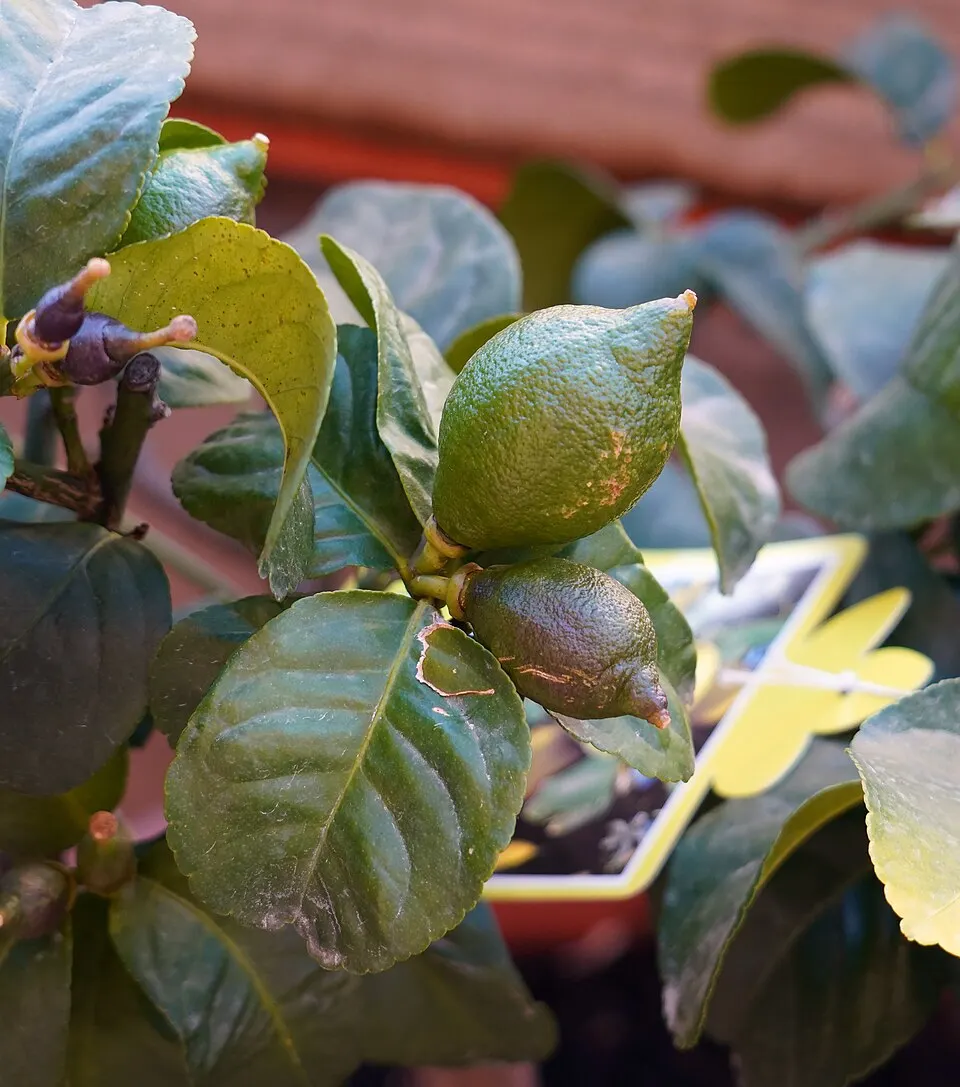
Preparation is essential — abrupt dietary change shocks the digestive system. Days 1-2 involve gradual reduction of heavy, processed, and hard-to-digest foods. Eliminate alcohol, caffeine, red meat, dairy (except yogurt), and processed foods. Increase warm water intake to 2-3 litres daily — sipping warm (not cold) water throughout the day is the simplest and most effective ama-clearing measure. Begin each morning with 1 cup warm water with lemon and a pinch of rock salt. Add triphala churna (1/4 tsp in warm water) at bedtime to begin gentle bowel cleansing.
- Day 1-2: Elimination of alcohol, processed food, red meat
- Warm water throughout day — minimum 8 glasses
- Lemon + rock salt water on waking
- Triphala churna at bedtime
The Kitchari Fast (Days 3-5)
Kitchari — split yellow mung dal cooked with white rice and digestive spices — is Ayurveda's detox mono-diet. Its protein completeness, easy digestibility, and medicinal spicing provide nutrition while dramatically resting the digestive system. Recipe: sauté cumin seeds, mustard seeds, ginger, and turmeric in ghee. Add 1/2 cup yellow mung dal (soaked overnight), 1/2 cup white rice, 4 cups water, rock salt. Cook to a soft, porridge-like consistency. Eat 3 times daily. Additions for flavour and medicine: fresh coriander, a squeeze of lemon, a small piece of cooked vegetable (carrot, zucchini, spinach).
Herbal Support and Lifestyle
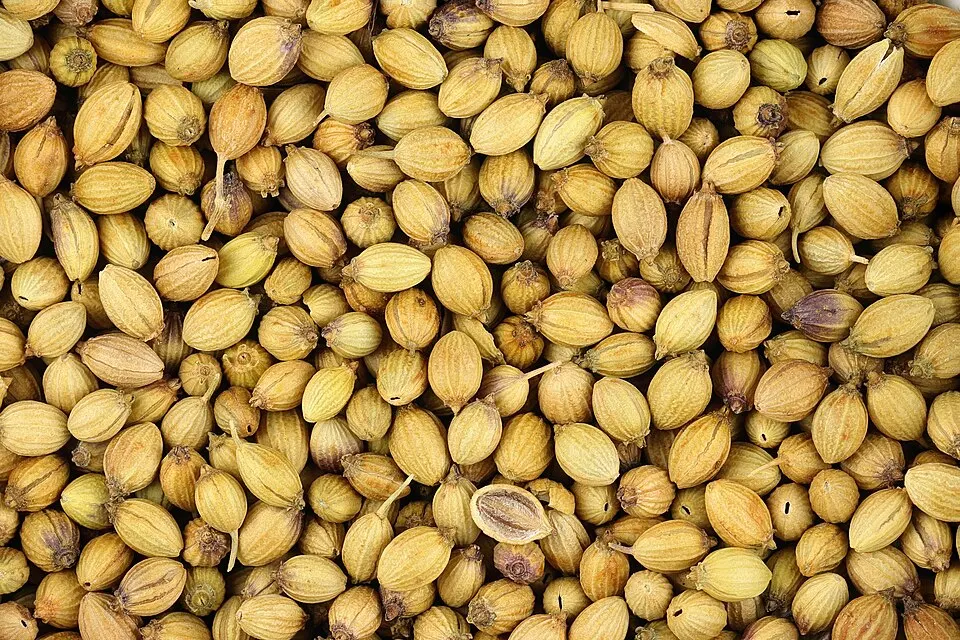
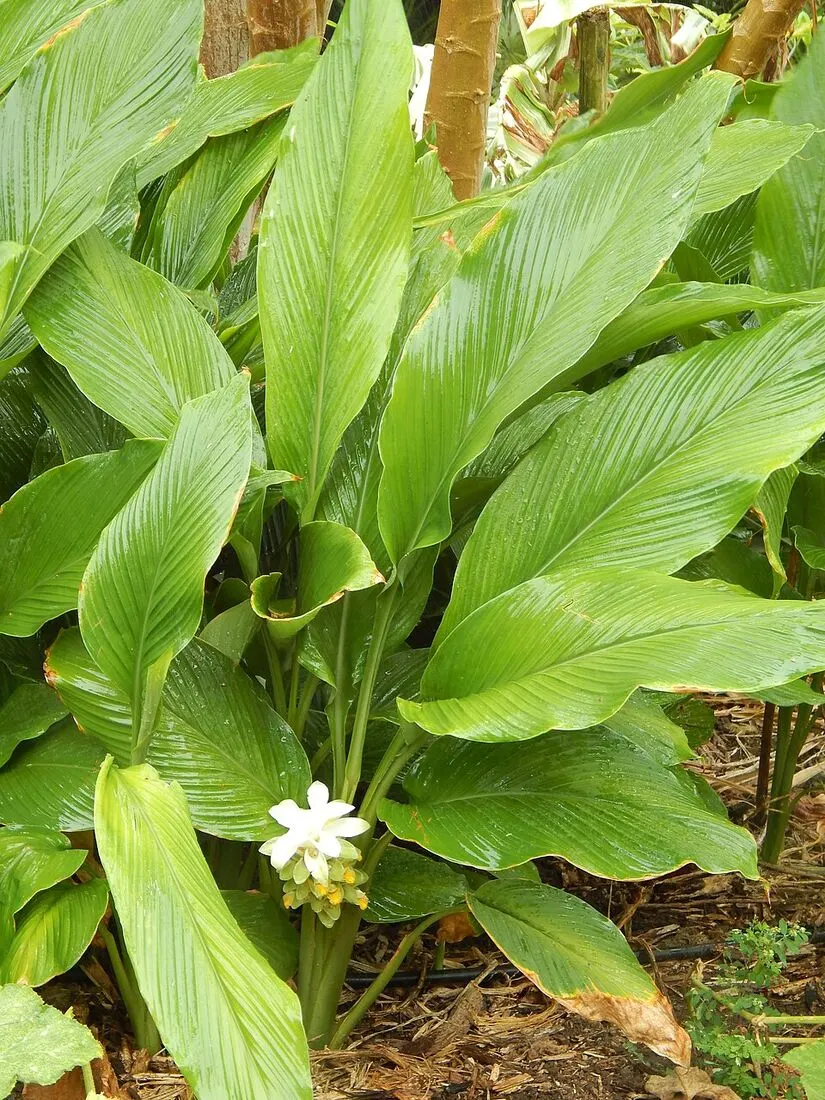
Supporting herbs during detox: turmeric in warm water or milk reduces liver inflammation; ginger tea before meals stimulates digestive fire; triphala at night maintains elimination; fennel and coriander tea after meals soothes the gut. Exercise: gentle yoga only during detox — vigorous exercise drives blood away from digestive organs and impairs the detox process. Rest prioritised: 8-9 hours sleep during detox days allows maximal overnight cellular repair. Dry brushing (garshan) — brushing dry skin with a raw silk glove before bathing — stimulates lymphatic flow and skin elimination.
Reintroduction Phase (Days 6-7)
Reintroducing foods gradually after detox is as important as the detox itself. Day 6: add cooked vegetables and yogurt. Day 7: add steamed fish or light grains. Day 8+: gradually return to normal diet, maintaining at least one kitchari meal per week. The most valuable learning from the detox: notice which foods cause bloating, sluggishness, or inflammation when reintroduced. This provides personalised information about food sensitivities that no medical test can provide.
Conclusion
An Ayurvedic detox is not punishment — it is a temporary return to simplicity that allows the body to catch up on elimination. Most people feel noticeably better by day 4-5: clearer skin, better sleep, sharper mental clarity, and reduced bloating. A seasonal 7-day Kitchari detox (once per season change) is a sustainable practice for maintaining digestive health throughout the year.