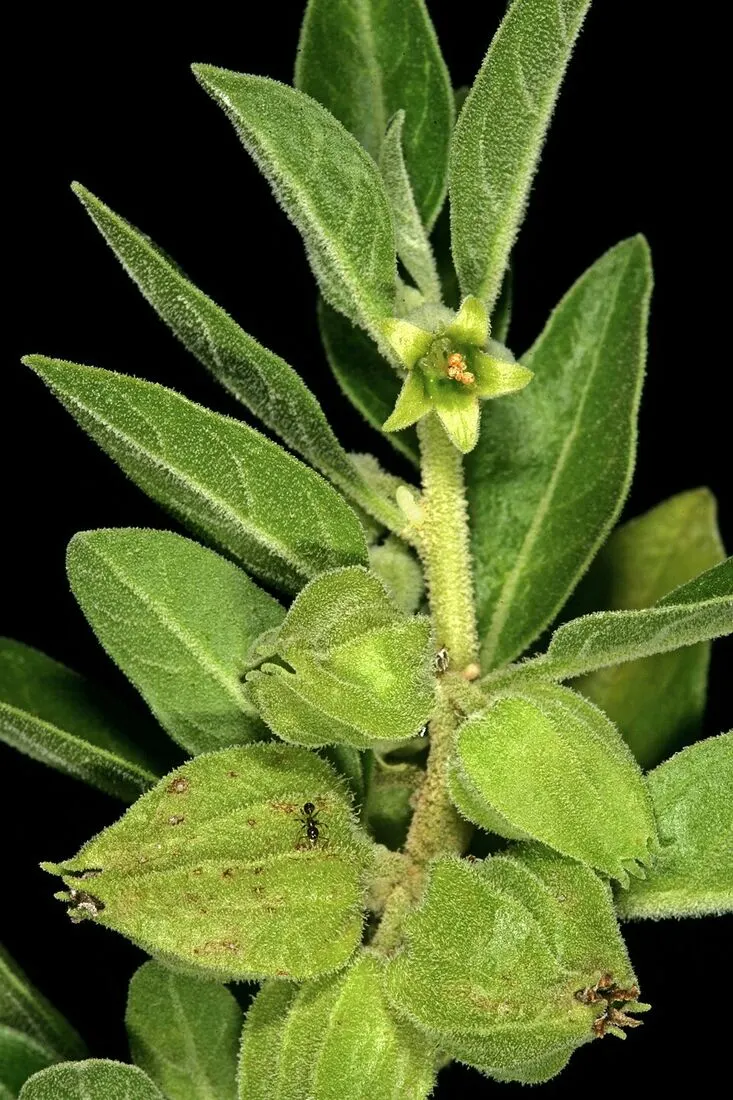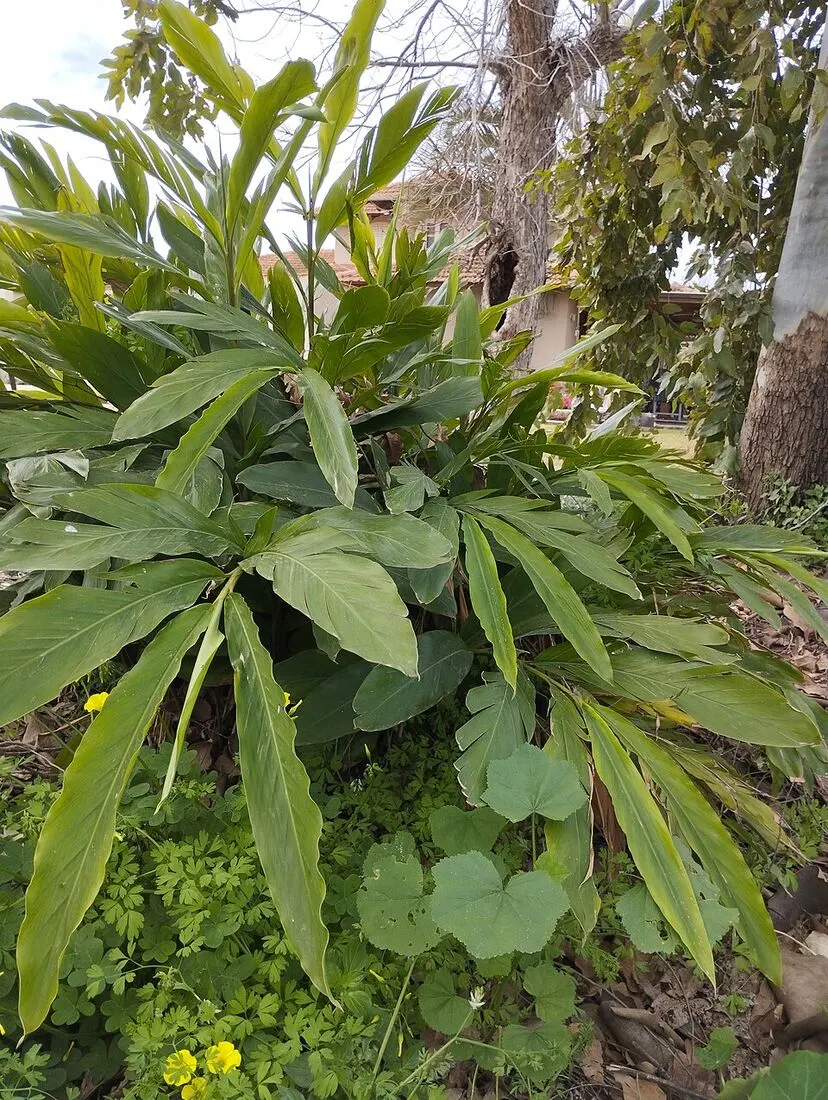
Photo: Shixart1985 / Wikimedia Commons (CC BY 2.0)
📋 In This Article
India is arguably the world's richest source of medicinal plants for tea — tulsi, neem, moringa, brahmi, ashwagandha, and dozens of others are native or naturalised here. Herbal teas prepared from these plants provide specific therapeutic benefits without caffeine, supporting everything from immunity to digestion, sleep, and cognitive function.
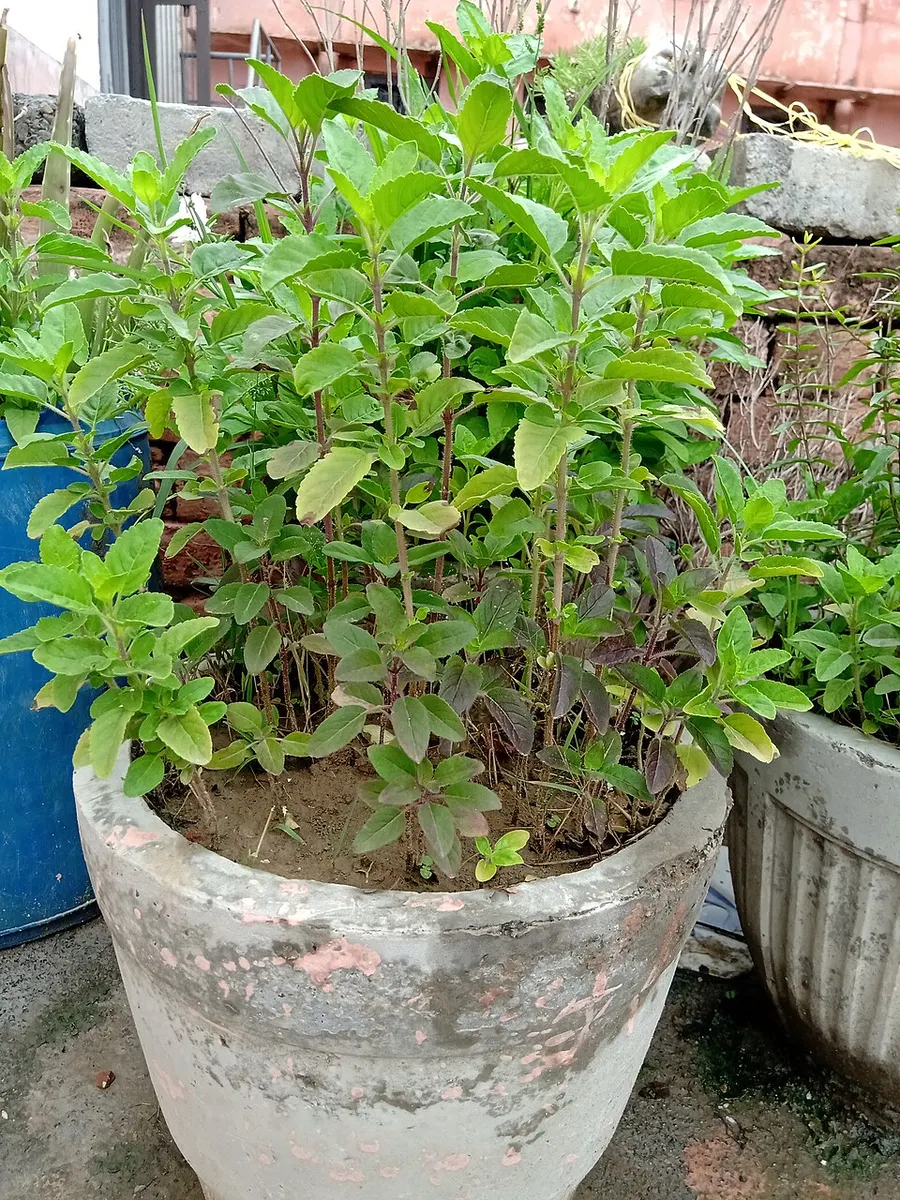
Tulsi Green Tea — Immunity and Calm
Recipe: 10 fresh tulsi leaves + 1 tsp green tea leaves + 1 inch ginger (grated) + 1/4 tsp cardamom. Steep in 250ml water at 85°C (not boiling) for 3-4 minutes. Add honey to taste after cooling slightly. Benefits: tulsi's eugenol reduces inflammation and has antiviral activity; green tea catechins (EGCG) are among the most researched antioxidant compounds in existence; ginger reduces nausea and inflammation; cardamom aids digestion and adds flavour. Drink 1-2 cups daily, particularly in cold and monsoon seasons.
- Tulsi — antiviral, stress-reducing adaptogen
- Ginger — anti-inflammatory, digestive
- Green tea — EGCG antioxidants, mild caffeine
- Cardamom — digestive, flavour balancer
Moringa-Lemon Tea — Nutrient Powerhouse
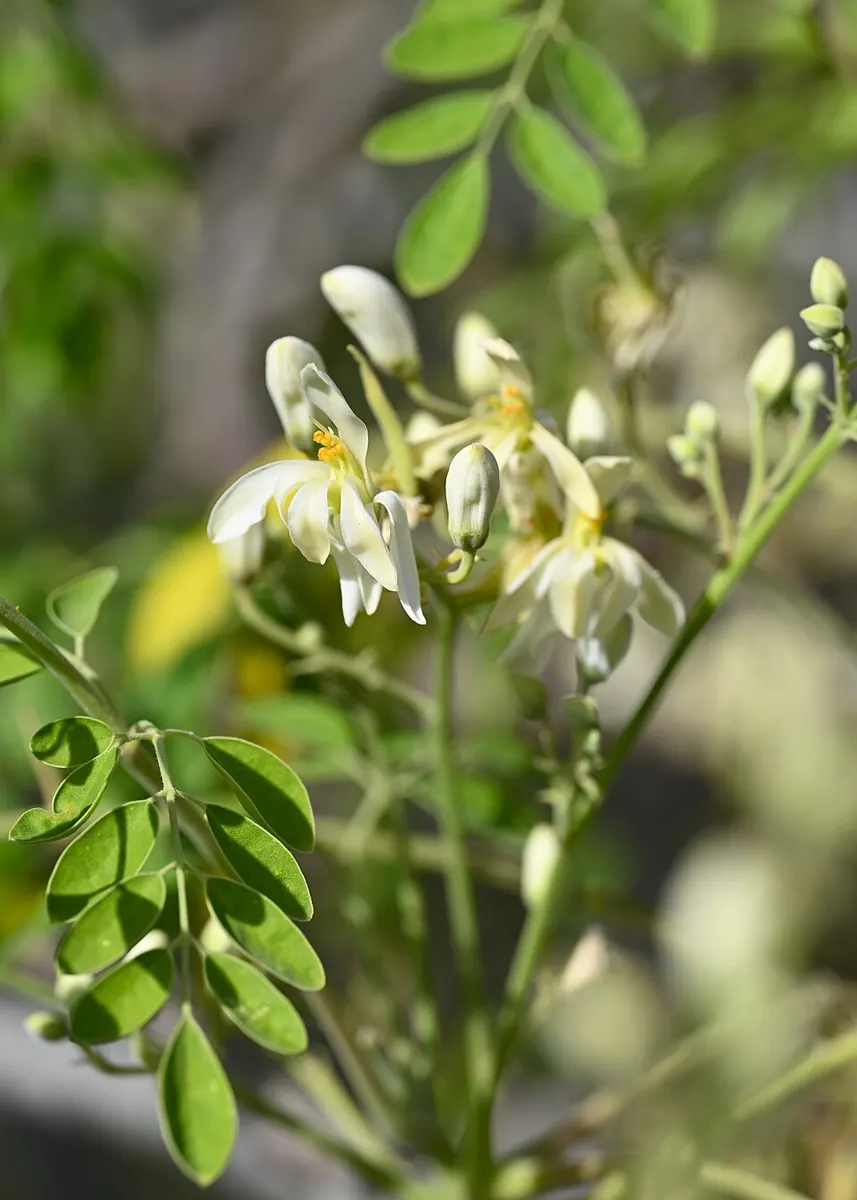
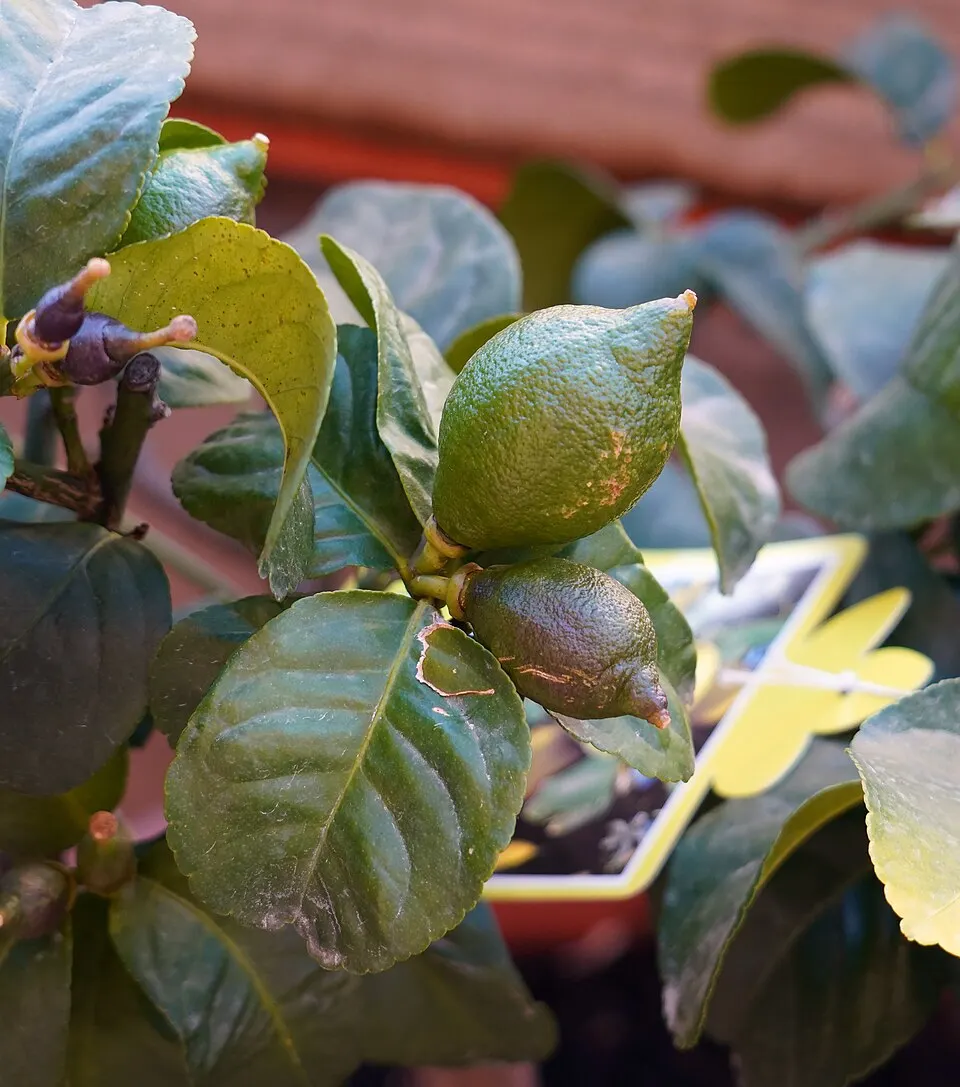
Moringa (Moringa oleifera) leaves contain 7x the Vitamin C of oranges, 4x the calcium of milk, 2x the protein of yogurt, and 3x the iron of spinach. Tea recipe: 1 tsp dried moringa powder (or 5 fresh leaves) steeped in 250ml hot water for 5 minutes. Add fresh lemon juice and a pinch of black pepper. The Vitamin C in lemon dramatically increases iron absorption from moringa; black pepper adds piperine for enhanced bioavailability of all compounds. The tea is slightly grassy and vegetal — lemon and honey make it pleasant. Ideal as a morning nutritional supplement tea.
Ashwagandha Golden Milk — Stress and Sleep
This is yoga's version of the hot chocolate — genuinely delicious and profoundly calming. Recipe: heat 250ml whole milk (or oat milk), add 1/2 tsp ashwagandha root powder, 1/4 tsp turmeric, pinch of black pepper, 1/4 tsp cinnamon, 1/4 tsp nutmeg (small pinch only). Stir well, simmer 2 minutes, remove from heat, add 1 tsp honey. Drink 30-45 minutes before bed. Ashwagandha reduces cortisol; nutmeg has sedative properties; turmeric reduces inflammatory disruption of sleep; warm milk provides tryptophan for serotonin synthesis.
Digestive Teas and Energising Teas
Post-meal digestive tea: equal parts fennel, coriander, and cumin seeds (1/4 tsp each), steeped 5 minutes in boiling water. This CCF (cumin-coriander-fennel) tea is Ayurveda's universal digestive — carminative, anti-spasmodic, and mildly diuretic. Lemon and ginger morning tea: fresh ginger (1 inch, grated), 1/2 lemon juice, 1 tsp honey in hot water. Stimulates digestive enzymes, provides Vitamin C, and boosts energy without caffeine. Brahmi memory tea: 1/2 tsp brahmi powder simmered in milk for 5 minutes with cardamom and honey — take 1 hour before study or mental work for cognitive enhancement.
Conclusion
India's medicinal plant heritage means that some of the world's most clinically validated therapeutic herbs are growing in local gardens, available at every kirana store, or found in the kitchen spice rack. Making herbal tea is the most accessible entry point to botanical medicine — requiring only hot water, a few minutes, and the willingness to explore.