Photo: Shixart1985 / Wikimedia Commons (CC BY 2.0)
📋 In This Article
The gut is the foundation of all health in Ayurveda — "roga sarve api mande agnou" (all disease begins with weak digestive fire) is a core aphorism from the Charaka Samhita. This ancient understanding is now confirmed by the gut-microbiome revolution in modern medicine: gut health influences immunity, mental health, skin, weight, cardiovascular health, and virtually every organ system through the gut-brain axis and systemic microbiome communication.
Agni — Digestive Fire
Agni (literally "fire") is Ayurveda's concept of digestive and metabolic capacity. Strong Agni transforms food completely into nutrients and waste — with nothing left over. Weak Agni (mandagni) incompletely digests food, producing ama — a sticky, toxic residue that accumulates in the channels of the body (srotas) and becomes the substrate for disease. Symptoms of weak Agni: coating on tongue on waking; bloating and gas after meals; fatigue after eating; irregular bowel movements; brain fog; food sensitivities. The goal of Ayurvedic gut treatment is restoring Agni — not just suppressing symptoms.
Diagnosing Your Digestive Pattern
Ayurveda categorises digestive dysfunction by dosha: Vata-type (variable, irregular digestion — sometimes strong, sometimes weak; gas, bloating, constipation; anxiety around food); Pitta-type (hyperacidity, heartburn, diarrhoea, inflamed gut, food intolerances, anger when hungry); Kapha-type (slow, sluggish digestion; heavy after meals; mucus in stool; bloating; attachment to food for comfort). Each type requires different herbs and dietary interventions. Most people are a combination of two types.
- Vata gut: irregular digestion, gas, constipation, anxiety
- Pitta gut: acid, heartburn, diarrhoea, inflammation
- Kapha gut: slow digestion, mucus, heaviness, congestion
Core Gut-Healing Herbs
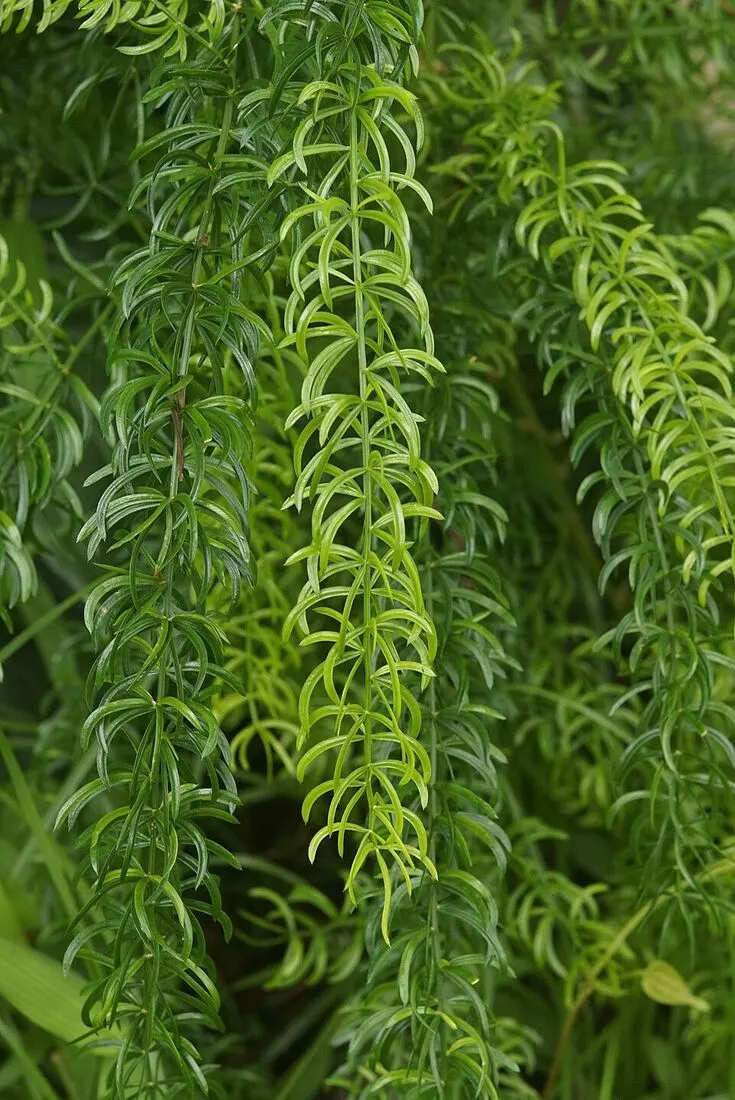
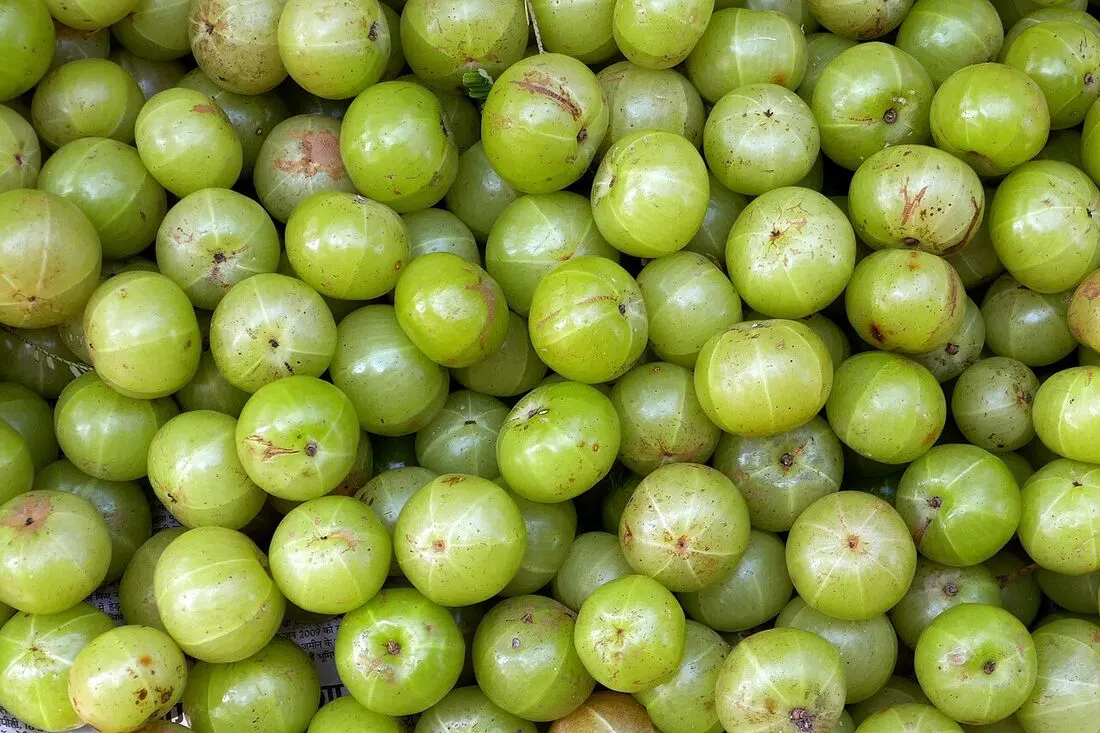
Triphala: the universal gut normaliser — mildly laxative, prebiotic, intestinal anti-inflammatory. Take 1/4 tsp in warm water at bedtime for 3-6 months. Licorice root (yashtimadhu): heals the gut lining (demulcent), reduces H. pylori, soothes acid reflux. Shatavari (Asparagus racemosus): strengthens the gut mucosa, reduces inflammation, particularly for Pitta-type gut. Kutaja (Holarrhena antidysenterica): specific for infectious and amoebic diarrhoea — classical Ayurvedic anti-dysenteric. Hing (asafoetida): powerfully carminative — reduces gas and bloating within minutes. Use 1/4 tsp in hot ghee as a tarka on any flatulent dish.
Dietary Principles for Gut Healing
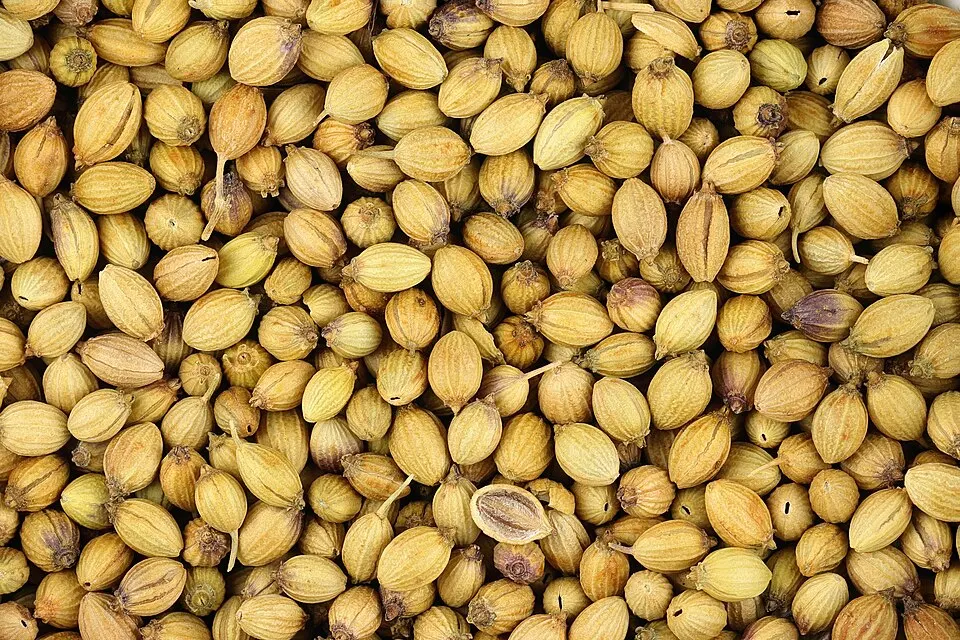
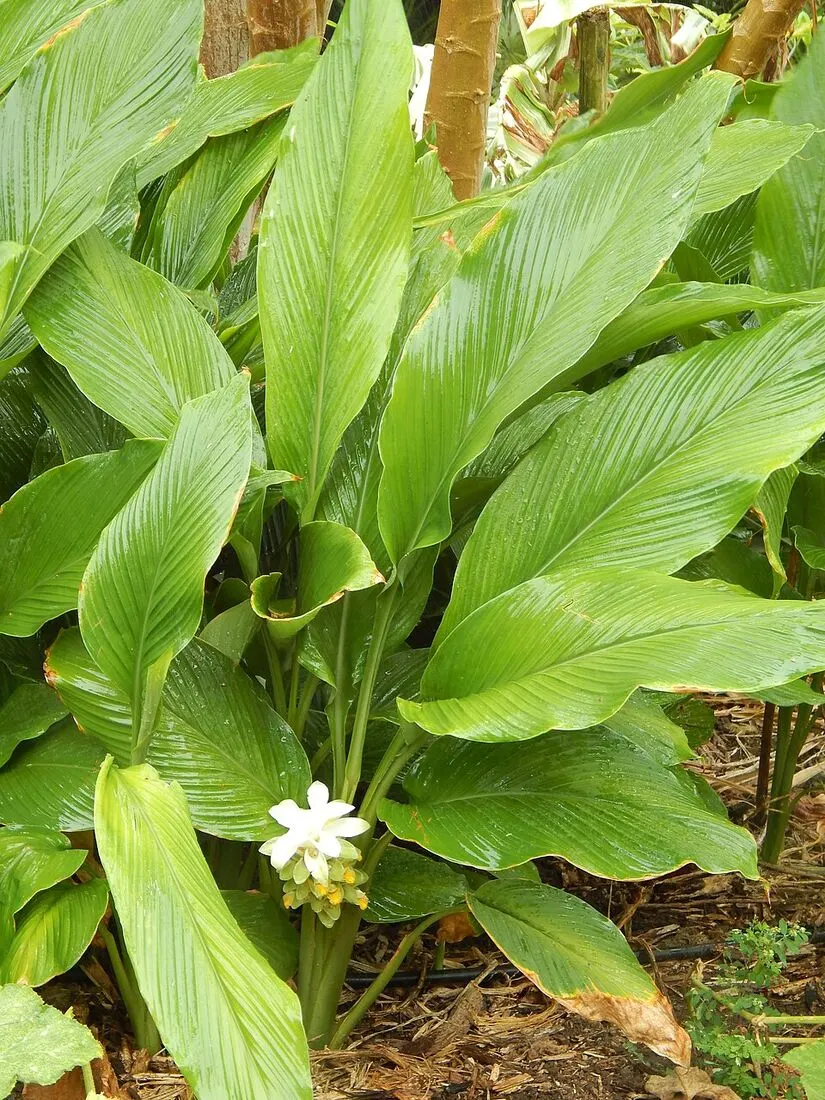
Eat at consistent mealtimes — irregular eating confuses the gut's internal clock (the gut has its own circadian rhythm). Eat the largest meal at midday when digestive fire is strongest (Pitta time: 10 AM-2 PM). Avoid eating when not hungry — forcing food into a system not ready for it creates ama. Include digestive spices at every meal: cumin, coriander, ginger, hing, and turmeric. Avoid ice-cold drinks with meals — cold extinguishes Agni. Chew thoroughly — digestion begins in the mouth. Eat cooked, warm, moist foods for gut healing; avoid raw, cold, and dry foods until gut is restored.
Conclusion
Gut healing is a 3-6 month process requiring consistent dietary discipline, herbal support, and lifestyle adjustments. The rewards are profound — when the gut heals, many apparently unrelated conditions improve simultaneously: skin clarity, sleep quality, mood, energy, and immunity. The gut is not just a digestive organ; it is the foundation of the whole body's health. Ayurveda has known this for 3,000 years.