Photo: Shixart1985 / Wikimedia Commons (CC BY 2.0)
📋 In This Article
The global superfood market sells acai berries, goji, spirulina, and maca — many imported from distant continents at significant expense and environmental cost. India has superior nutritional powerhouses growing in its own fields, gardens, and forests — available at fraction of the price, adapted to the Indian climate, and validated by both traditional use and modern research.
Amla — Nature's Vitamin C King
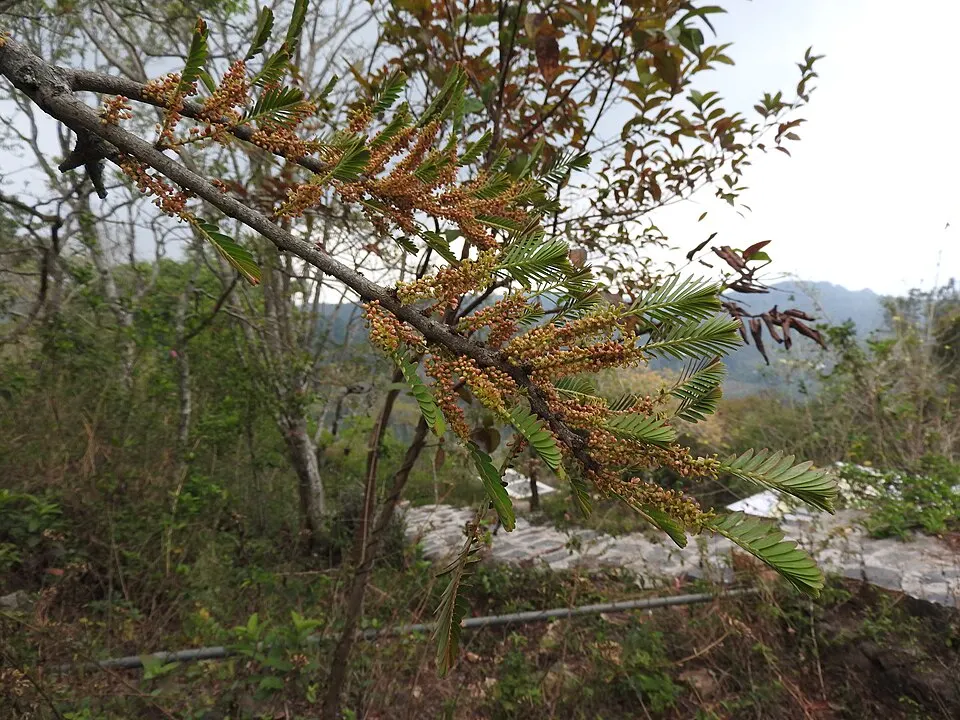
One amla (Indian gooseberry, Emblica officinalis) contains 600-1800mg Vitamin C — 10-30 times more than an orange, gram for gram. Crucially, amla's Vitamin C is bound with tannins that prevent oxidation — meaning amla retains its Vitamin C even when dried, cooked, or processed in ways that destroy ascorbic acid from other fruits. Additional compounds: gallic acid (antimutagenic), ellagic acid (anti-cancer), chebulinic acid (antiviral). Daily use: eat one fresh amla (November-February in season), or 1 tsp amla powder in water year-round. Chyawanprash — the classical Ayurvedic rasayana — is primarily an amla-based preparation.
Moringa — The Nutritional Density Champion
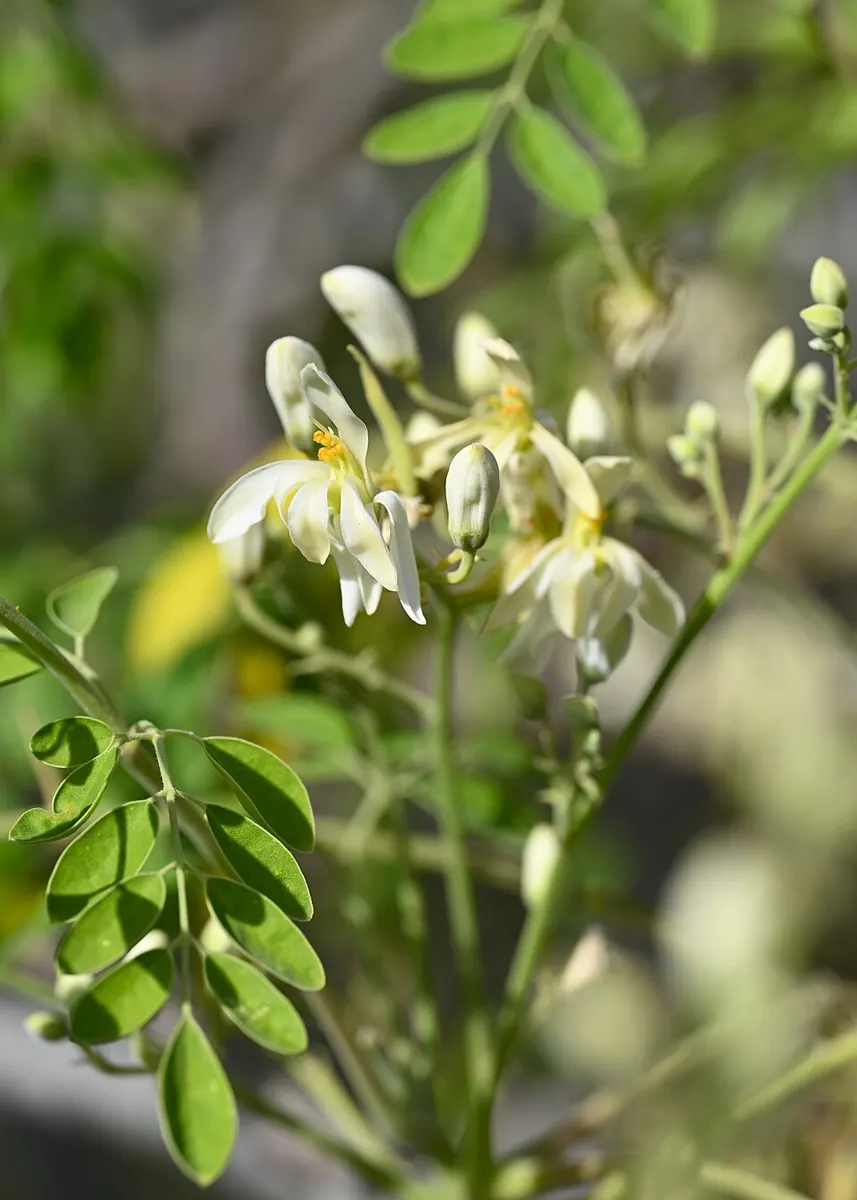
Moringa oleifera (drumstick tree) leaves have gram-for-gram nutritional comparisons that seem improbable: 2x protein of yogurt; 4x calcium of milk; 3x iron of spinach; 4x Vitamin A of carrots; 7x Vitamin C of oranges. These values are for dried moringa — fresh leaves have slightly lower but still exceptional values. Moringa is also rich in quercetin (anti-inflammatory), chlorogenic acid (blood sugar regulation), and isothiocyanates (anti-cancer). In South India, fresh moringa leaves and drumstick pods are everyday cooking ingredients — an accidental nutritional superfood hidden in plain sight.
- Protein: 2x compared to yogurt (dried leaves)
- Calcium: 4x compared to milk
- Iron: 3x compared to spinach
- Vitamin A: 4x compared to carrots
Black Sesame and Flaxseed
Black sesame seeds (kala til) are significantly more nutritious than white sesame: higher antioxidant content (anthocyanins in the black pigment), 8mg iron per 100g, 975mg calcium per 100g, and exceptional zinc and copper. Use: dry-toast and add to curd, khichari, or eat with jaggery as til-jaggery laddoo (traditional winter food). Flaxseed (alsi) is India's best plant source of omega-3 fatty acids (ALA), with 22g per 100g, plus 27g dietary fibre and lignans (phytoestrogens that protect against hormone-sensitive cancers). Grind before use — whole flaxseed passes through undigested. Add 1 tbsp ground flaxseed to morning curd.
Turmeric, Ashwagandha, and Giloy
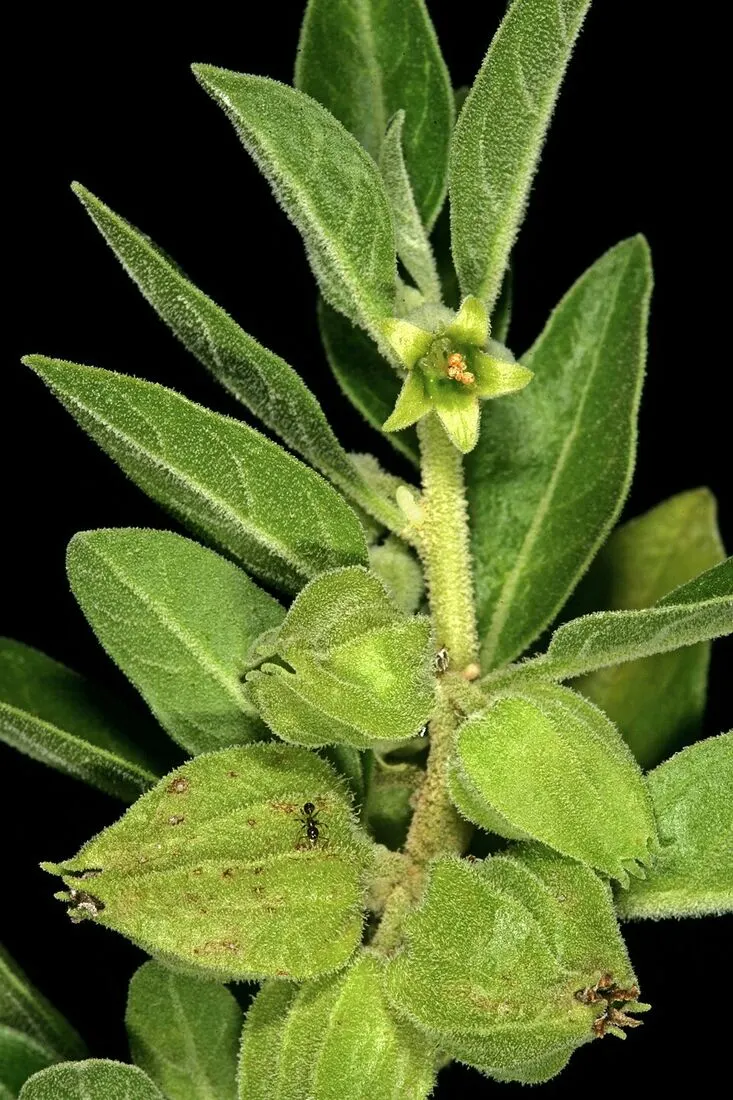
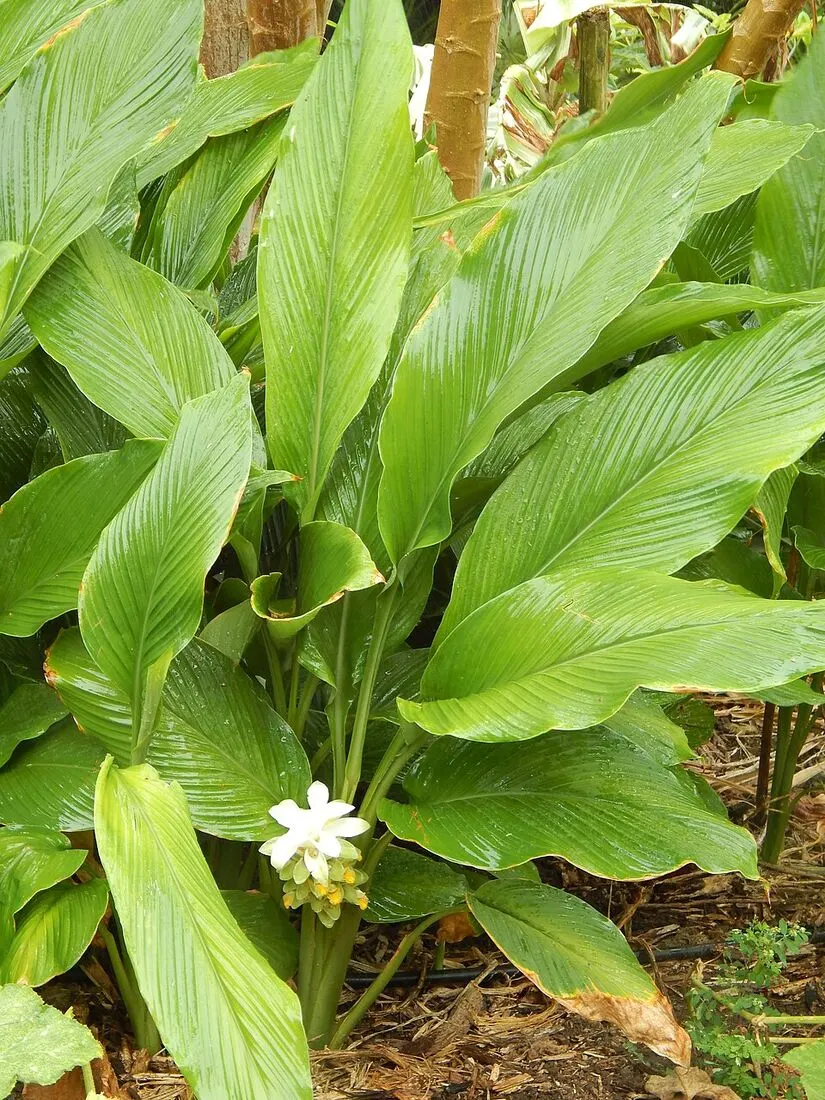
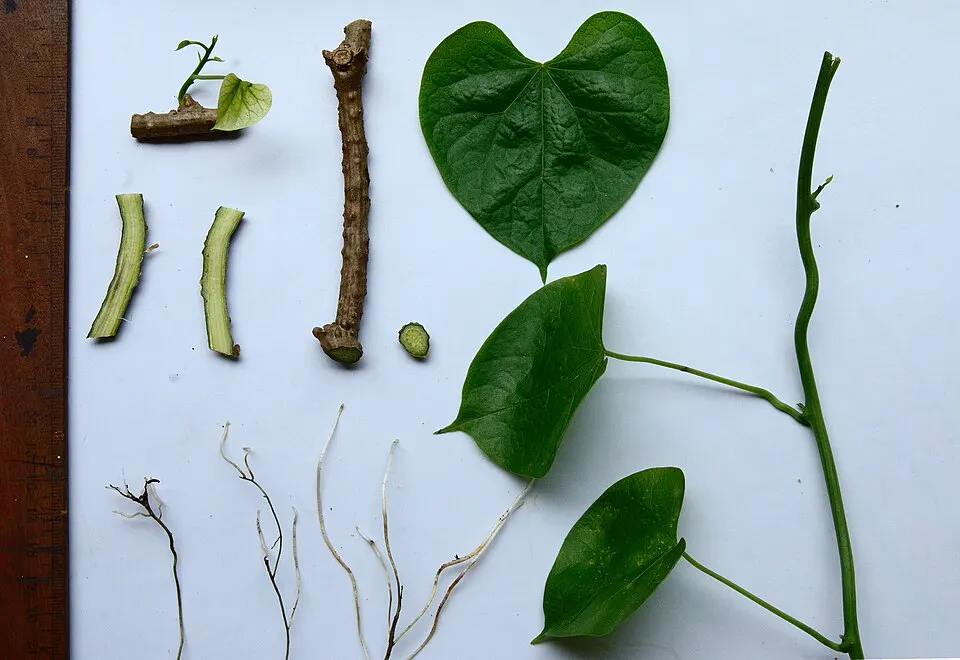
Turmeric — taken daily in cooking provides curcumin's anti-inflammatory, antioxidant, and neuroprotective benefits. For therapeutic doses, add to warm milk or take with black pepper and fat. Ashwagandha — the ultimate stress and vitality herb, available as a powder to add to morning milk (ashwagandha latte) or in capsule form. Giloy — Tinospora cordifolia, available as fresh stem or powder — is Ayurveda's pre-eminent immune herb: genuinely improves innate immune response (clinical evidence supports this) and reduces fever and inflammatory arthritis. Make a habit of these three: turmeric daily in food, ashwagandha in morning milk, giloy as seasonal immune support in monsoon and winter.
Conclusion
India's nutritional heritage is extraordinary — the same plants that Ayurvedic physicians prescribed for health maintenance 3,000 years ago are now validated by modern nutritional science as among the most nutrient-dense foods on Earth. Amla in the morning, moringa in the dal, sesame on the curd, turmeric in every sabzi: these daily habits cost almost nothing and provide nutritional protection that no supplement programme can match.