Photo: Shixart1985 / Wikimedia Commons (CC BY 2.0)
📋 In This Article
Indian culinary tradition doesn't distinguish between flavouring and medicine — the best spice blends do both simultaneously. Trikatu fires the digestive system, rasam powder soothes respiratory illness, and Chyawanprash builds immunity over months. These are not supplements to take alongside food — they are the food itself, elevated to medicine.
Trikatu — The Three Pungents
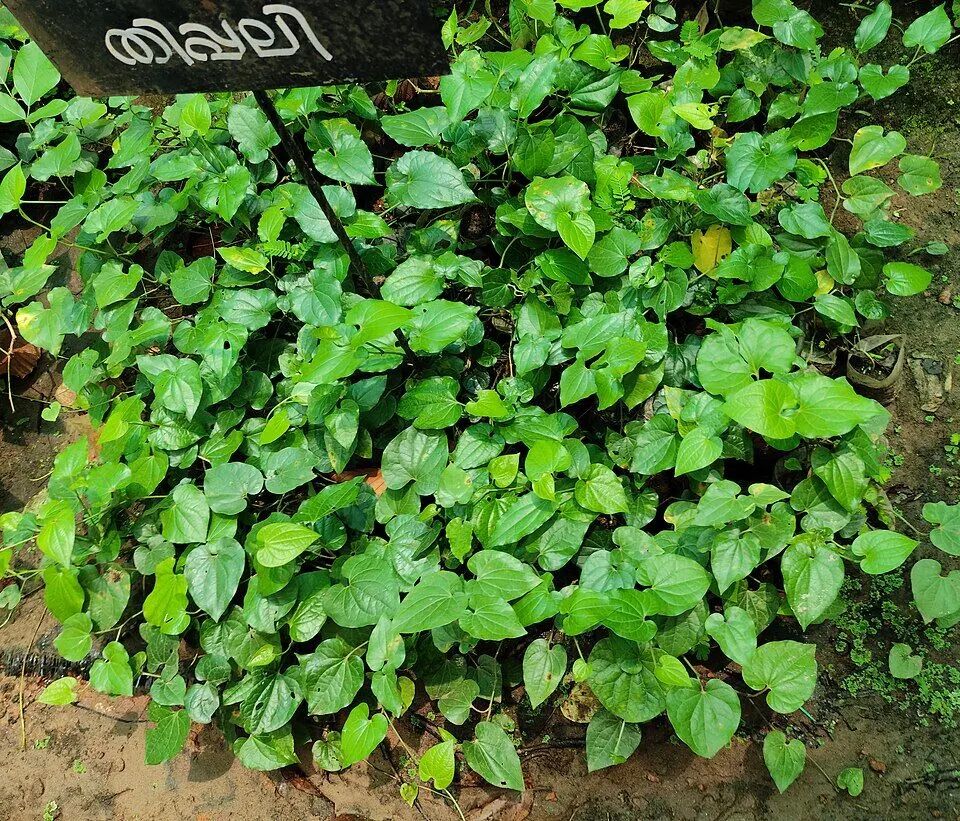
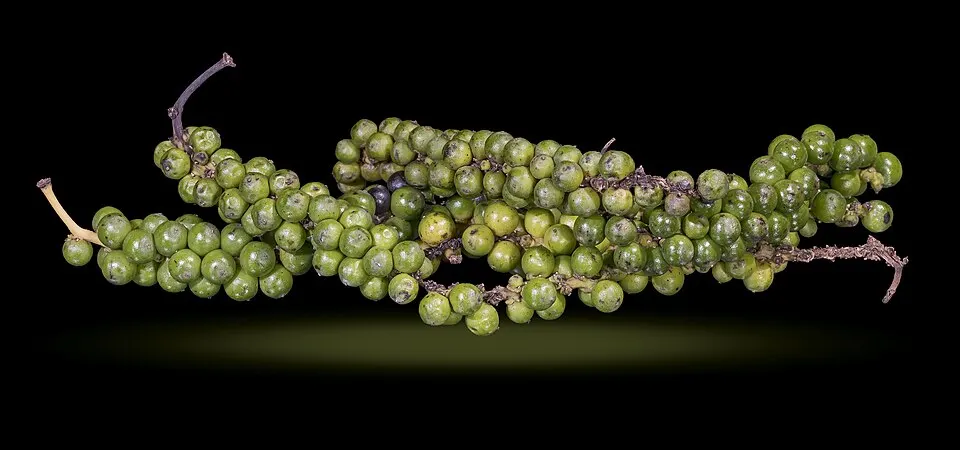
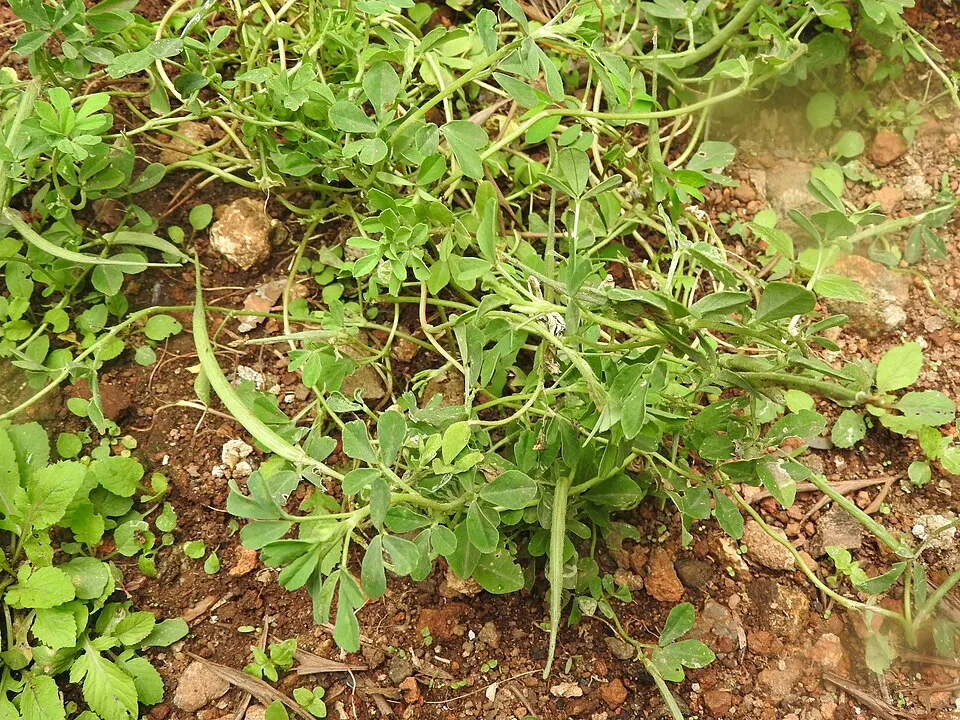
Trikatu is the fundamental Ayurvedic formula for stimulating Agni (digestive fire) and clearing Kapha accumulation. Three ingredients in equal parts: pippali (long pepper, Piper longum), black pepper (Piper nigrum), and ginger (Zingiber officinale). Piperine from both peppers dramatically increases the bioavailability of virtually all co-administered substances — making Trikatu not just a digestive itself but an absorption enhancer for all food and medicine. It is included in most Ayurvedic compound formulas for this reason. Use: 1/4 tsp trikatu churna before meals in honey for sluggish digestion and winter congestion.
- Pippali (long pepper) — kapha-clearing, bioavailability-enhancing
- Black pepper — digestive, anti-parasitic, bioavailability
- Ginger — digestive fire stimulant, anti-nausea
- Together: most potent Agni-stimulating formula in Ayurveda
Rasam Powder — The South Indian Lung Tonic
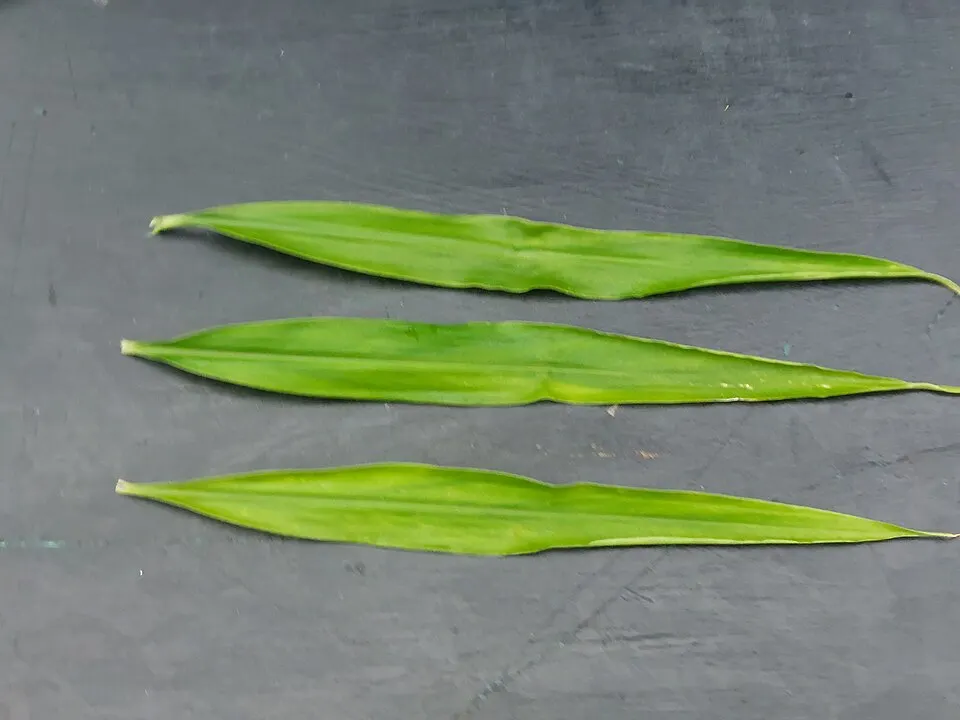
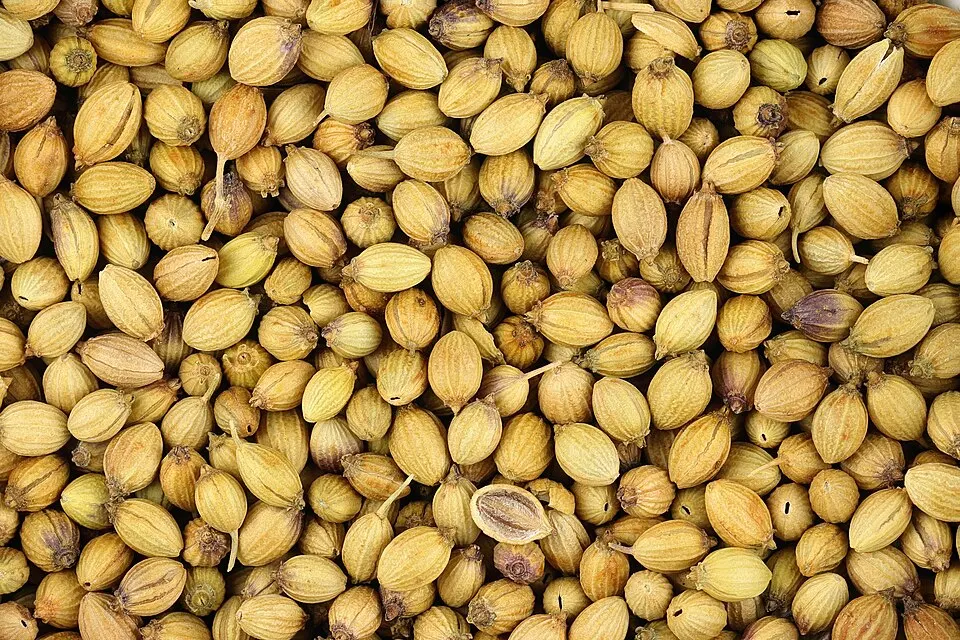
Rasam — the thin, peppery South Indian broth — is Ayurveda disguised as soup. Traditional rasam powder combines black pepper (bronchodilator, piperine), dried ginger (anti-inflammatory, digestive), toor dal (protein), cumin (carminative), coriander seed (cooling, diuretic), curry leaves (antioxidant, liver-protective), hing (asafoetida — anti-spasmodic, carminative), and turmeric. The resulting broth is given to the sick and convalescent across Tamil Nadu and Karnataka as the first food of recovery from fever, respiratory illness, and digestive upset. Recipe: fry 2 tbsp rasam powder in ghee (tarka), add tamarind water, chopped tomato, salt, boil 10 minutes, finish with fresh coriander.
Chyawanprash — The Rasayana Superfood
Chyawanprash is an Ayurvedic formulation of 40+ herbs in an amla jam base, prescribed in the Charaka Samhita as a universal rasayana (rejuvenative). Its primary ingredient — amla — provides the world's richest source of Vitamin C and polyphenols. Key supporting herbs include ashwagandha (adaptogen, immune modulator), shatavari (hormonal support, immune), bala (energy, strength), and pippali (bioavailability enhancement). Clinical trials confirm Chyawanprash significantly reduces frequency of upper respiratory tract infections, improves immunity markers, and improves cognitive function in children. Standard dose: 1-2 tsp in warm milk daily, particularly in winter and monsoon.
Sambhar Masala and Chai Masala as Medicine
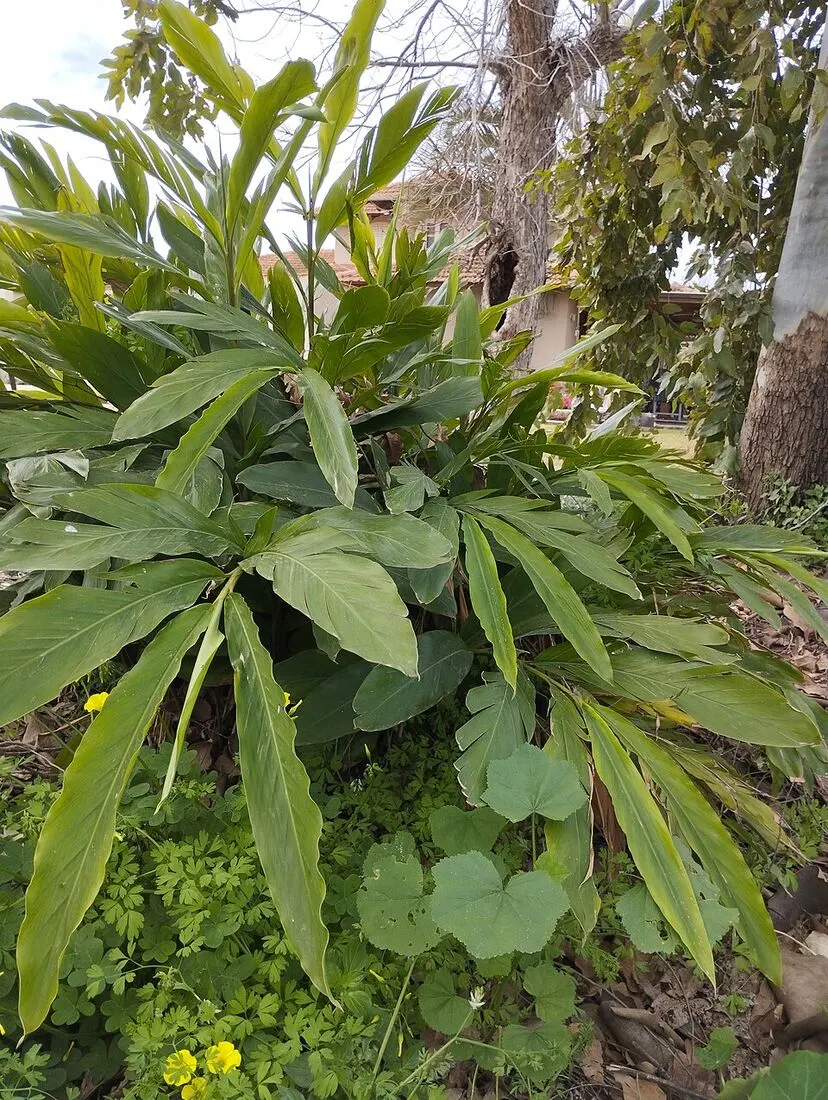
Sambhar masala — another South Indian creation — contains coriander, cumin, red chilli, fenugreek (blood sugar regulation), black pepper, curry leaves, and coconut. The fenugreek in every bowl of sambhar provides ongoing support for blood sugar management. Chai masala (cardamom, ginger, cloves, cinnamon, black pepper) is a cardiovascular tonic disguised as a beverage. Cinnamon improves insulin sensitivity; clove eugenol is analgesic and antimicrobial; cardamom reduces blood pressure; ginger is anti-inflammatory. The Ayurvedic kitchen is a pharmacy in which every meal is a prescription.
Conclusion
The masalas and spice blends of Indian cuisine are the world's most sophisticated culinary-medicinal system. They were not created primarily for flavour — they were created because every generation of cooks understood that food and medicine are not separate categories. Restoring these blends to daily cooking is one of the most powerful preventive health choices available.