Photo: Shiv's fotografia / Wikimedia Commons (CC BY-SA 4.0)
📋 In This Article
Ayurvedic skincare is rooted in the understanding that skin health reflects internal balance — the liver, gut, and hormones all express themselves through the skin. Ayurvedic herbs work both topically and internally to address the root causes of acne, hyperpigmentation, and dullness rather than just suppressing symptoms.
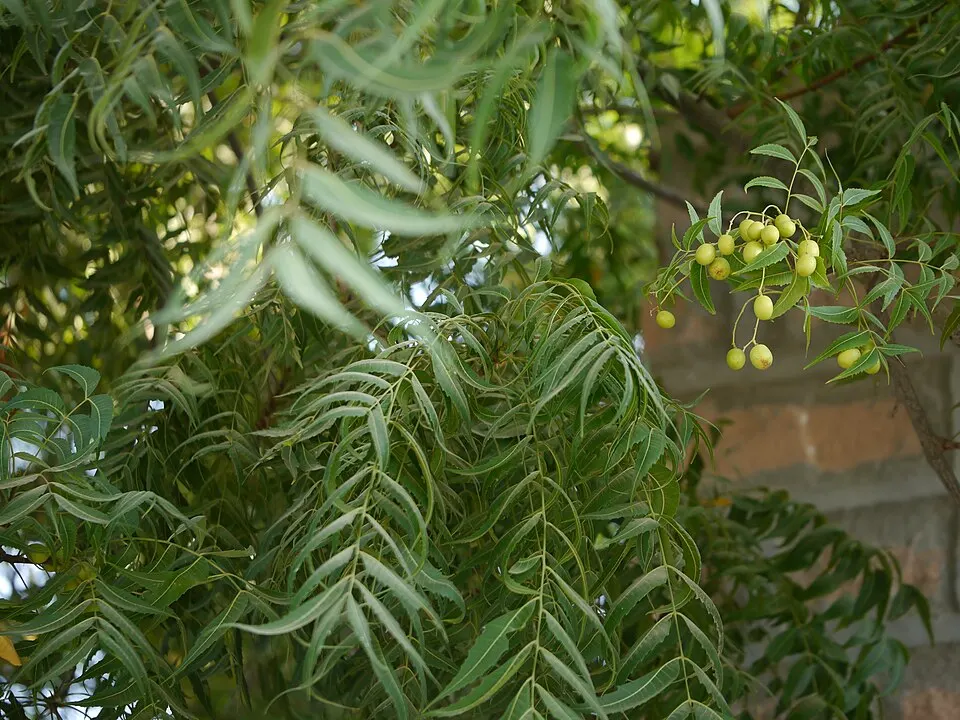
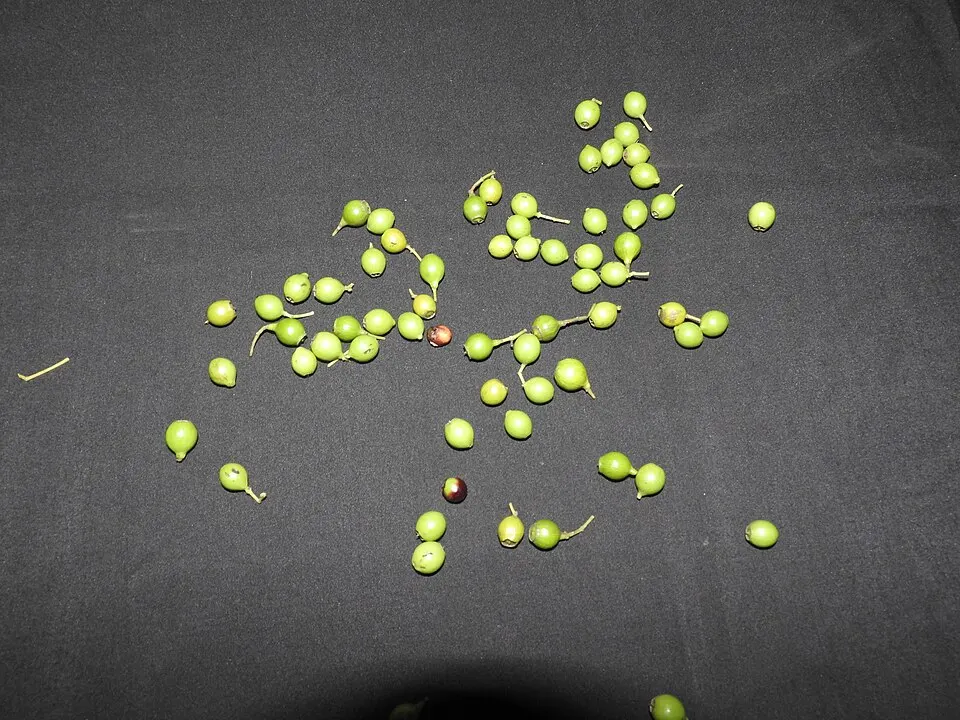
Neem — The Purifier
Neem (Azadirachta indica) is Ayurveda's primary skin herb, classified as a tikta (bitter) herb that purifies the blood and liver — both of which affect skin health. Topically, neem's nimbidin and nimbin compounds are strongly antibacterial against Propionibacterium acnes (the acne bacterium) and antifungal against Malassezia (dandruff and seborrhoeic dermatitis). Use: neem leaf paste as a spot treatment, neem-infused oil as a cleanser for oily/acne-prone skin.
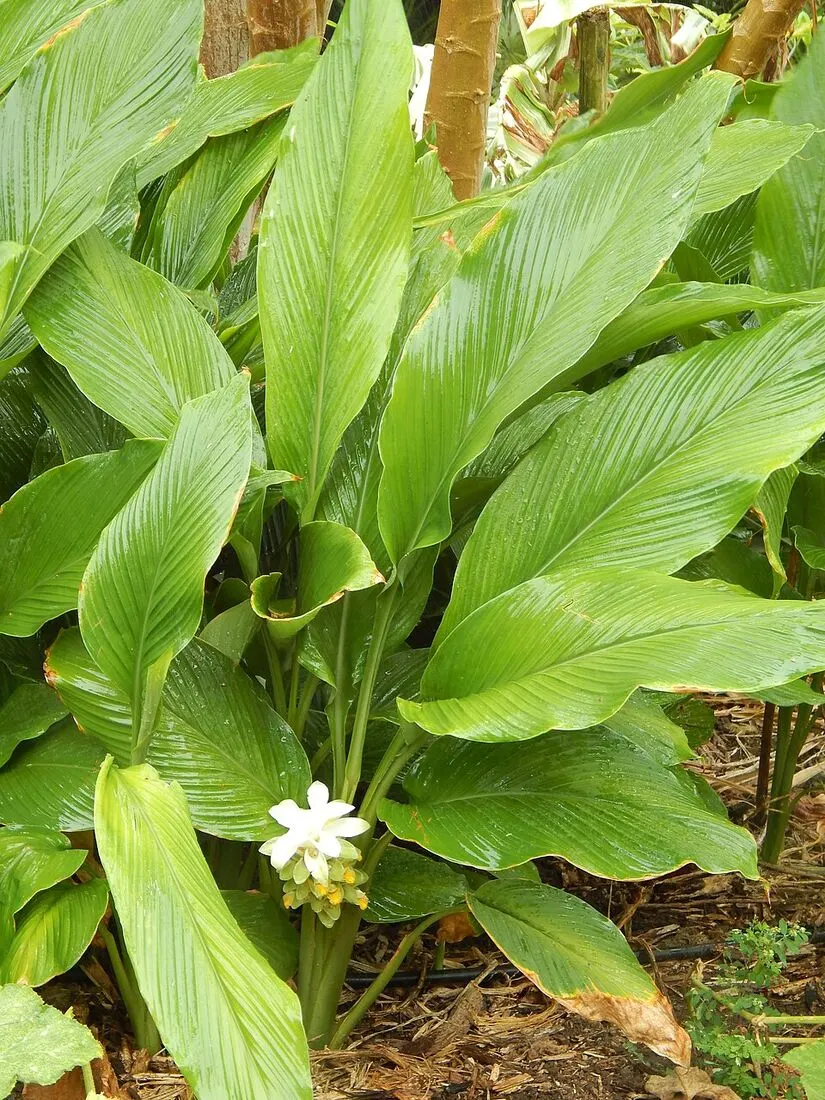
Turmeric — The Anti-Inflammatory Gold
Curcumin in turmeric (Curcuma longa) inhibits NF-kB — the master switch of inflammation — reducing acne redness, psoriasis flare-ups, and hyperpigmentation. Regular internal consumption (1/4 tsp turmeric in warm milk) reduces systemic inflammation that drives chronic acne. Topically, raw turmeric paste mixed with chickpea flour (besan) and rose water is a classical brightening mask. Warning: turmeric stains — mix with milk or use for 15 minutes only to minimise staining.
Sandalwood — Cooling and Brightening
Sandalwood (Santalum album) is classified as cooling in Ayurveda — ideal for Pitta-type skin conditions (redness, inflammation, rosacea, sun damage). Its alpha-santalol compound has demonstrated anti-melanogenic properties, reducing melanin production and thereby fading sunspots and uneven skin tone. Mix sandalwood powder with rose water or milk for a 15-minute soothing mask.
Manjistha and Lodhra
Manjistha (Rubia cordifolia) is Ayurveda's premiere blood-purifying herb, used internally to clear skin from within. It has demonstrated activity against melanocytes (reducing dark spots) and as an anti-inflammatory. Lodhra (Symplocos racemosa) bark powder is specific for acne and enlarged pores — its astringent tannins tighten pores and reduce sebum secretion. A paste of lodhra powder with honey applied overnight is a powerful anti-acne treatment.
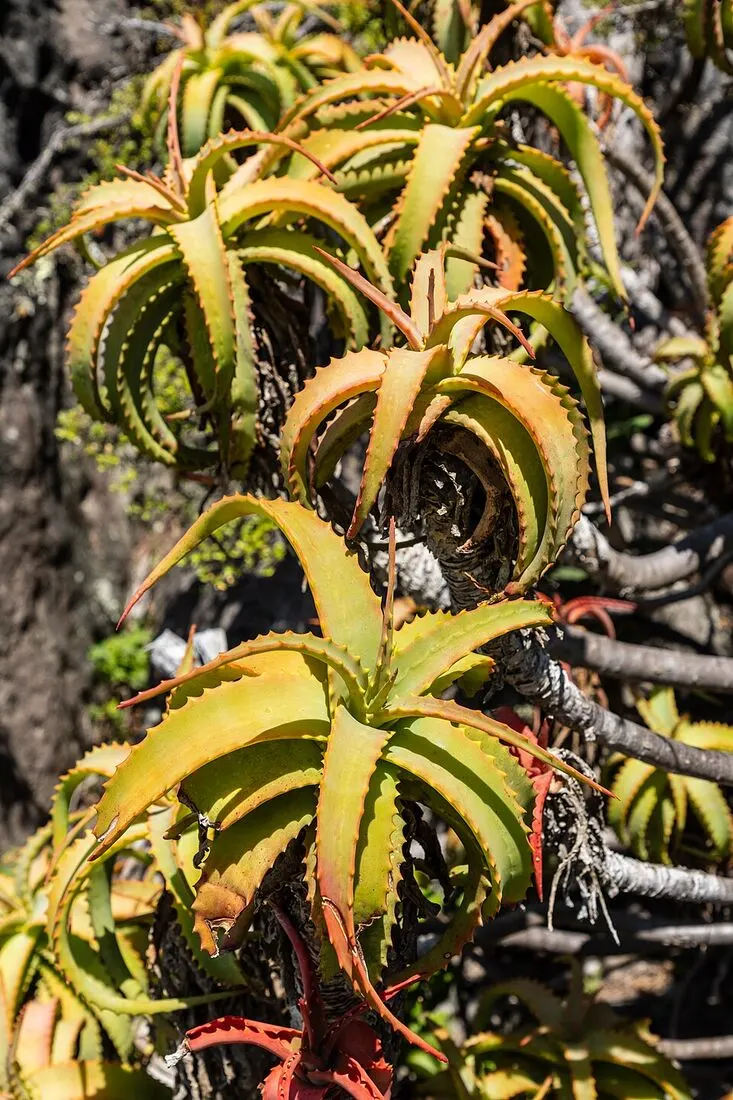
Aloe Vera — The Universal Healer
While not exclusively Ayurvedic, aloe is classified as rasayana (rejuvenating) in Ayurvedic texts. Fresh aloe gel applied daily reduces transepidermal water loss, accelerates wound healing, and has demonstrated UV-protective properties. For hyperpigmentation, mix aloe gel with 2 drops of lemon juice and a pinch of turmeric and apply nightly.
Conclusion
Ayurvedic skincare works best as a system — addressing diet (reducing fried, spicy, and processed food), digestion (taking herbs like triphala for gut health), stress (yoga and pranayama reduce cortisol-driven acne), and topical treatments together. Start with one herb, observe for 4 weeks, then build your routine.