Photo: Shiv's fotografia / Wikimedia Commons (CC BY-SA 4.0)
📋 In This Article
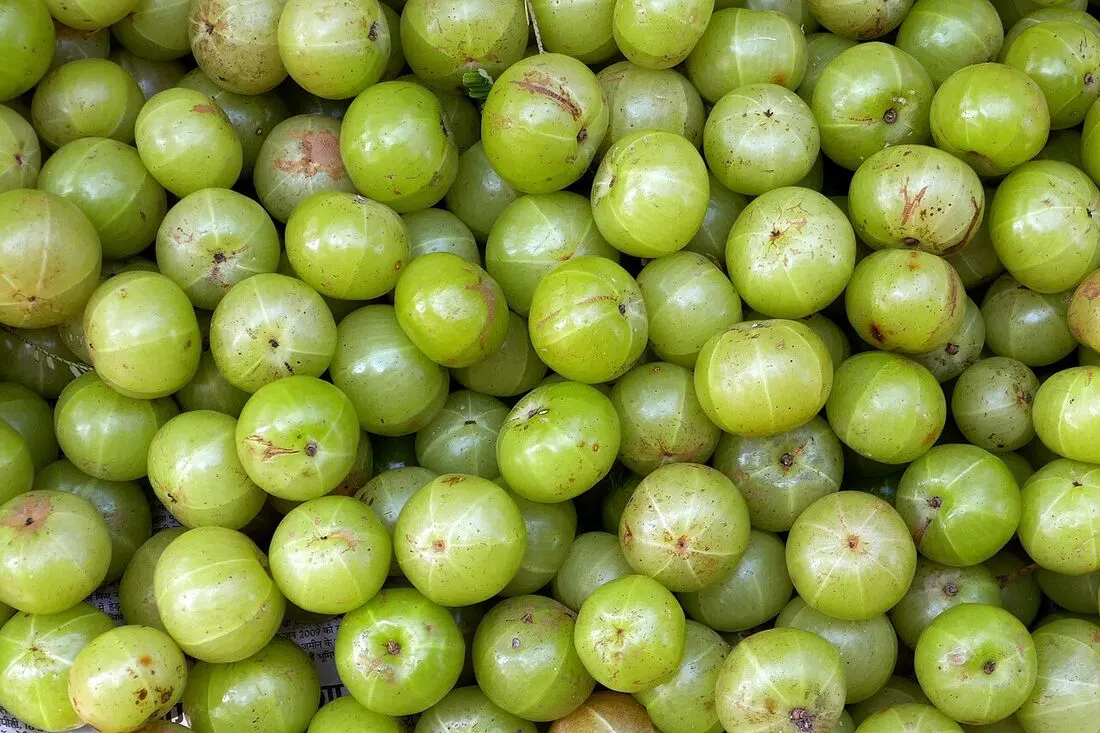
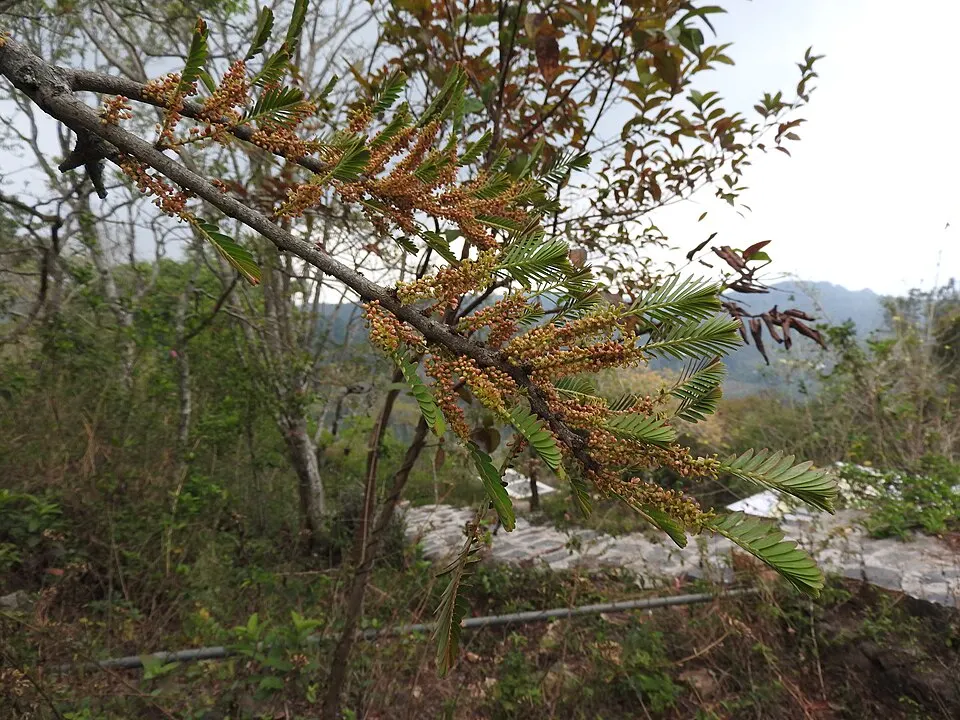
Triphala — literally "three fruits" — is the most widely used formulation in Ayurveda, combining amalaki (Emblica officinalis), bibhitaki (Terminalia bellirica), and haritaki (Terminalia chebula) in equal parts. It is unique among Ayurvedic formulas in being suitable for all three doshas and safe for long-term daily use.
The Three Fruits and Their Actions
Amalaki (Indian gooseberry/amla) is the highest natural source of Vitamin C and the primary rasayana (rejuvenating) herb in Ayurveda — it is cooling, liver-protective, and anti-inflammatory. Bibhitaki (baheda) specifically acts on the respiratory system and is expectorant — it also has strong antibacterial properties against Staphylococcus and E. coli. Haritaki (chebulic myrobalan) is considered the king of herbs in Tibetan and Ayurvedic medicine — it is laxative, digestive, antifungal, and uniquely classified as "food for the brain" in Charaka Samhita.
- Amalaki — antioxidant, liver-protective, anti-inflammatory
- Bibhitaki — respiratory, antibacterial, anti-mucus
- Haritaki — laxative, digestive, rejuvenative, cognitive
Benefits for Gut Health
Triphala's primary modern application is for digestive health. Clinical trials demonstrate it is as effective as psyllium husk for treating constipation — and unlike laxatives, it is not habit-forming. It acts as a prebiotic, increasing populations of beneficial Bifidobacterium and Lactobacillus. It reduces intestinal inflammation, supports the gut lining integrity (important for leaky gut), and has demonstrated activity against Helicobacter pylori (the ulcer-causing bacterium).
Beyond Digestion — Systemic Benefits
Research shows triphala inhibits tumour cell growth in multiple cancers (particularly colon and breast cancer) in vitro. It reduces HbA1c and fasting blood glucose in diabetics. It is neuroprotective, reducing oxidative stress in brain tissue. Its tannins and gallic acid are potent antioxidants — ORAC value of triphala is among the highest of any food or supplement tested.
How to Use Triphala Correctly
Powder form is most potent — 1/4 to 1 tsp in warm water at bedtime. Tablets are convenient but slower-acting. Triphala ghee (churna cooked in ghee) is used for eye health (wash eyes with diluted triphala water). For skin: triphala powder as a face mask exfoliant. For hair: triphala decoction as a hair rinse. Do not take during pregnancy (haritaki is contraindicated). Allow 4-6 weeks to observe gut benefits.
Conclusion
Triphala is perhaps the most comprehensively researched Ayurvedic formula — with over 1,000 peer-reviewed studies on its constituent compounds. Its safety profile, multisystem benefits, and prebiotic action make it the ideal starting point for anyone exploring Ayurvedic supplementation.