Photo: Shiv's fotografia / Wikimedia Commons (CC BY-SA 4.0)
📋 In This Article
Kadha is a traditional Indian herbal decoction brewed with spices and medicinal plants that has been used for centuries to prevent and treat colds, flu, and respiratory infections. Modern research is increasingly validating the immunomodulatory and antimicrobial properties of its key ingredients.
Core Kadha Ingredients
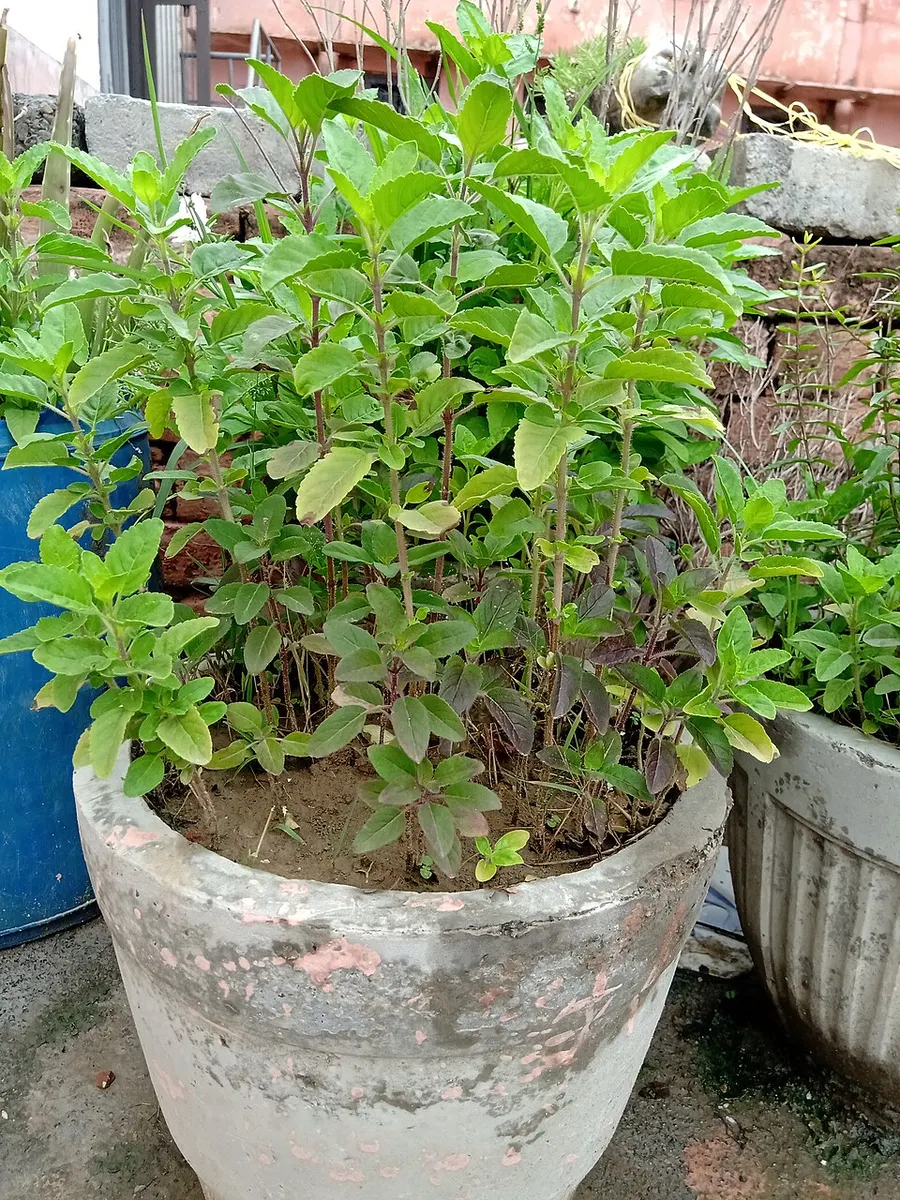
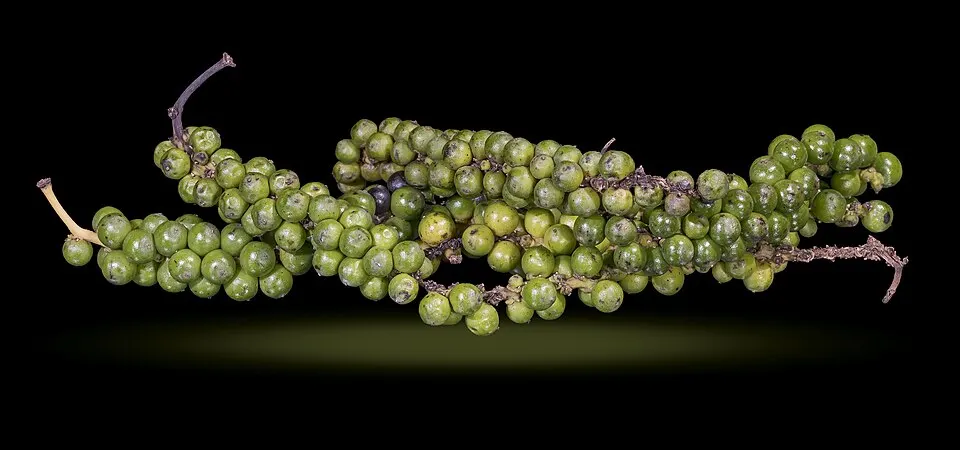
The classic kadha formula uses tulsi (Ocimum sanctum) for its antiviral properties, ginger for its anti-inflammatory gingerols, cinnamon for its antimicrobial activity, black pepper to enhance bioavailability of all other compounds, and cloves for their eugenol content which suppresses viral replication. Honey is added after cooling to preserve its enzymes and as a natural throat soother.
- Tulsi — 8-10 leaves, rich in eugenol and rosmarinic acid
- Ginger — 1 inch piece, grated, contains 6-gingerol and shogaol
- Cinnamon — 1 small stick, contains cinnamaldehyde
- Black pepper — 4-5 whole peppercorns, contains piperine
- Cloves — 2-3 whole cloves, for antimicrobial action
- Cardamom — 2 pods, digestive and flavour balance
How to Make Traditional Kadha
Boil 2 cups of water with all the dry spices for 10 minutes. Add fresh tulsi leaves and ginger for the final 3 minutes. Strain, cool slightly, and add honey. Drink warm — one cup in the morning on an empty stomach during illness, or as a preventive measure in seasonal transitions. The total brewing time of 13 minutes extracts the active compounds without destroying heat-sensitive constituents.
Variations for Different Conditions
For respiratory infections: add 1/4 tsp turmeric and a pinch of ajwain (carom seeds). For digestive kadha: use jeera (cumin), coriander seeds, and fennel instead of cinnamon and cloves. For sleep and stress: add ashwagandha powder and nutmeg to a milk-based kadha (not water). For fever: add giloy stem (2 inch piece) and neem leaves to the core formula.
Scientific Evidence
Peer-reviewed studies confirm that tulsi extracts inhibit influenza virus replication, ginger reduces inflammatory cytokines involved in severe respiratory illness, piperine from black pepper enhances curcumin bioavailability 2000%, and cinnamon has confirmed antimicrobial activity against common cold pathogens. The Ministry of AYUSH formally recommended kadha consumption during COVID-19 as a complementary immune support measure.
Conclusion
Kadha is one of India's most practical and evidence-supported home remedies. Its ingredients work synergistically — each enhancing the action of the others. Brewing a daily cup during winter and monsoon season is one of the simplest investments in immune health.