Photo: Anil kumar / Wikimedia Commons (CC BY-SA 4.0)
📋 In This Article
The Gharial (Gavialis gangeticus), with its distinctive long thin snout, was once common throughout the Indian subcontinent's river systems. Today, fewer than 650 mature individuals survive in the wild — a population decline of 98% in 70 years.
Why Gharials Are Disappearing
Gharials need long stretches of clean, undisturbed river with suitable sandbanks for nesting. India's rivers have been fundamentally altered — dammed (reducing flow and sediment), heavily fished (competing for food), polluted (killing fish prey), and encroached upon for agriculture and sand mining. Gharials also drown in fishing nets.
Where Gharials Survive
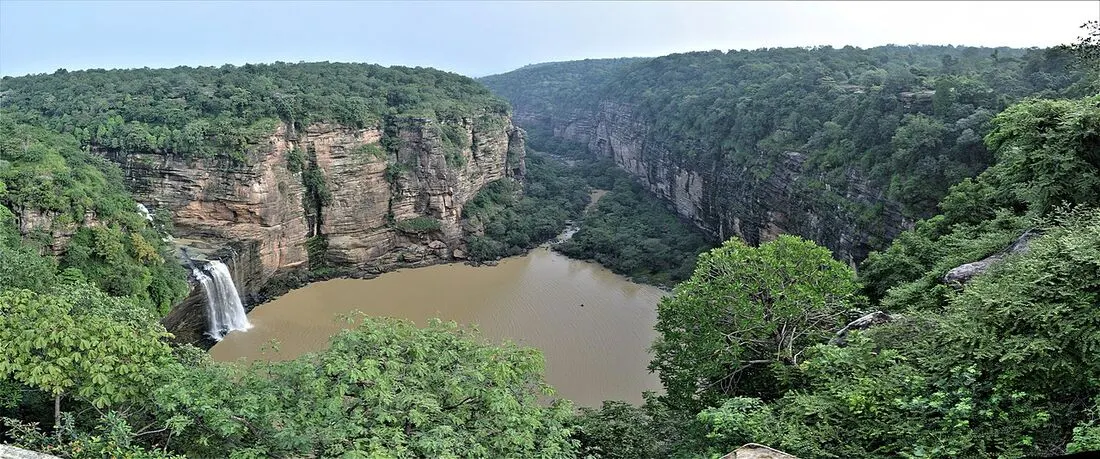
The Chambal River — shared by Madhya Pradesh, Rajasthan, and Uttar Pradesh — is now the gharial's primary stronghold, hosting 80% of the wild population. The Chambal's relative cleanliness (partially protected from development as a ravine terrain) makes it uniquely suitable. Small populations survive in the Girwa, Son, and Ramganga rivers.
Conservation Programmes
India's Project Crocodile (started 1975) established breeding centres where eggs are incubated and hatchlings raised to a safer size before release. Over 8,000 gharials have been released. While populations stabilised, they remain critically endangered due to ongoing habitat degradation. The National Chambal Sanctuary provides legal protection along 400 km of the Chambal.
The Interconnected River Crisis
Saving the gharial means saving the river ecosystem — which means addressing sand mining, upstream dams, agricultural runoff, and overuse of river water for irrigation. Gharial recovery is inseparable from river health. Campaigns to protect the Chambal, Ken, and Betwa rivers from diversion and development directly support gharial survival.
Conclusion
The gharial is an indicator species for India's river health — its disappearance signals a degraded ecosystem that ultimately affects the water security of millions. Saving the gharial means restoring the rivers, and restoring the rivers serves both wildlife and people.