📋 In This Article
Roopkund (5,029m) is one of India's most dramatic and mysterious high-altitude treks. At the base of the 6,096m Trishul massif in Uttarakhand lies a glacial lake — only 40m in diameter — that contains hundreds of human skeletons visible through the ice. DNA analysis in 2019 revealed the skeletons are from three distinct groups from different centuries and different geographic origins — deepening rather than resolving the mystery.
The Mystery of the Skeletons
Roopkund's skeletons — estimated 300-800 individuals — were discovered by a British forest ranger in 1942. Early theories of war, plague, or landslide didn't explain the diversity of death. A 2019 Nature Communications study of DNA from 38 skeletons revealed: three distinct groups — a South Asian group, a Mediterranean European group (possibly from Crete or Mediterranean islands), and a small group from Southeast Asia. The groups died at different times (centuries apart). None of the deaths can be explained by a single event. The mystery remains genuinely unsolved.
- 5,029m altitude — one of India's highest trekking destinations
- Skeleton groups from 3 different geographic origins
- Deaths occurred across multiple centuries, not one event
- Lake visible only when snow melts: August-October
The Trek Route
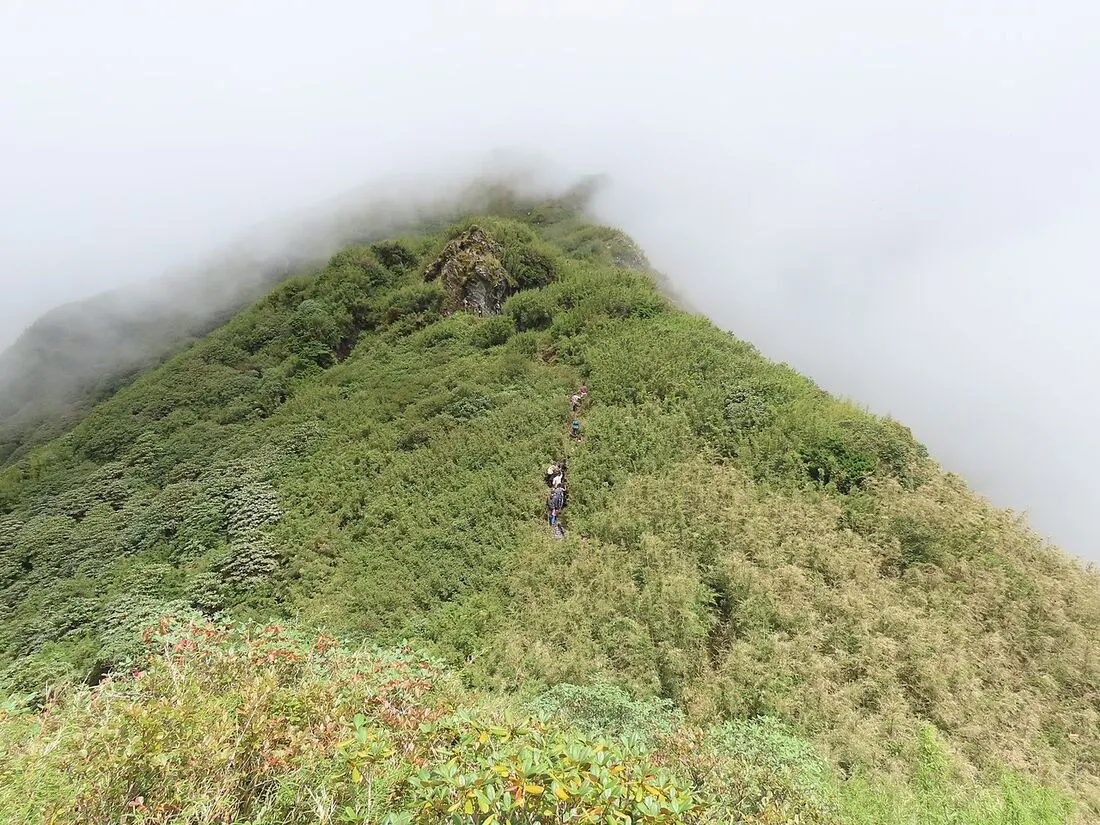
The standard Roopkund trek begins at Lohajung (7km from Wan, the road head, Chamoli district, Uttarakhand). Itinerary: Day 1: Lohajung (2,370m) to Didna (2,786m). Day 2: Didna to Ali Bugyal (3,629m) — a vast alpine meadow. Day 3: Ali Bugyal to Ghora Lotani (3,874m). Day 4: Ghora Lotani to Roopkund (5,029m) and back to Bhagwabasa camp (4,800m). Day 5: Bhagwabasa to Lohajung. Total: 5-6 days, moderate-difficult with the Roopkund summit day being strenuous.
The Bugyal Landscapes
The route to Roopkund passes through Ali and Bedni Bugyals — among the most beautiful high-altitude alpine meadows (bugyals) in the Garhwal Himalayas. Bugyals are the seasonal grazing grounds of the Van Gujjar and Pahari communities — carpeted with wildflowers in June-September. The approach through these meadows, with the Trishul massif growing ever larger overhead, is one of the most beautiful mountain landscapes in India. On a clear day, Nanda Ghunti (6,309m) and Trishul (7,120m) appear close enough to touch.
When to Visit and Essential Preparation
Window: May-June and September-October (monsoon July-August makes the approach dangerous with high risk of landslides and hypothermia). October is the clearest month but also coldest — temperatures at Roopkund can drop to -15°C overnight. Essential gear: 5+ season sleeping bag, layered waterproof clothing, trekking poles (mandatory for glacier crossing), microspikes or crampons for icy sections in October, altitude medication (Diamox — consult doctor). Physical preparation: ability to hike 12-15km per day with 800-1,000m ascent carrying a 10-12kg pack is a minimum.
Conclusion
Roopkund rewards those with the fitness, acclimatisation, and determination to reach it with one of the most extraordinary experiences in Indian trekking — alpine meadows of heartbreaking beauty, the drama of the Trishul massif, and the eerie presence of the skeleton lake. The mystery only deepens the experience.