Photo: Vyacheslav Argenberg / Wikimedia Commons (CC BY 4.0)
📋 In This Article
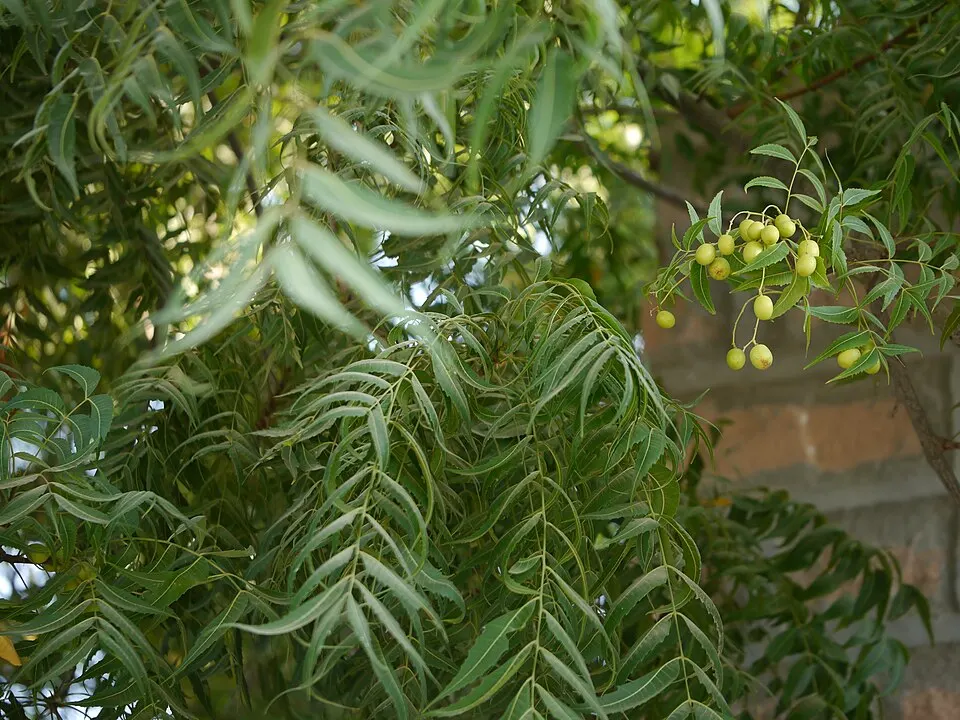
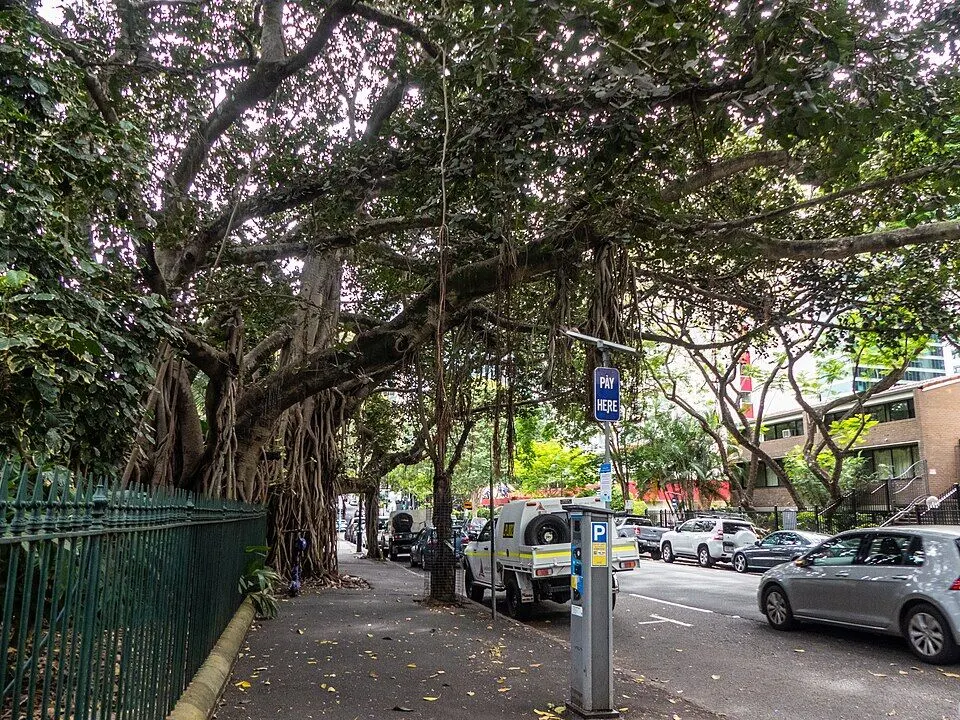
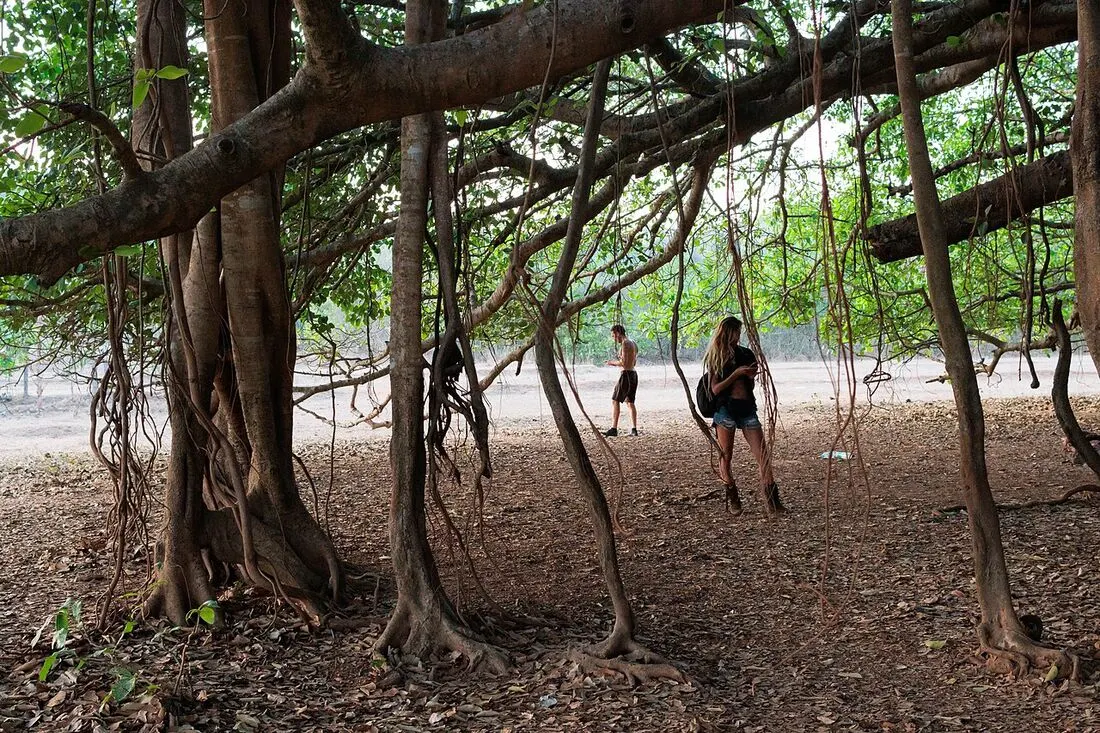
The Aravalli Range — India's oldest mountain range at over 1,500 million years old — stretches 700km from Gujarat to Delhi. Along its ridges and in its valleys survive ancient trees: Khejri (Prosopis cineraria), Dhau (Anogeissus pendula), Salar (Boswellia serrata), and massive specimens of Banyan, Peepal, and Neem that have witnessed centuries of human history on the subcontinent.
Aravalli's Ancient Tree Heritage
The Aravalli landscape has been human-modified for thousands of years — but scattered through the scrub forests and rocky outcrops survive tree specimens of extraordinary age. The Khejri (Prosopis cineraria) — the state tree of Rajasthan — can live 300-500 years, and ancient specimens with 3-4m girth are found in villages throughout the Aravallis. The Dhonk (Anogeissus pendula) — the most drought-adapted tree of central Aravalli — forms forests on the rocky ridges that have protected the range from total deforestation. In Haryana, the Aravalli ridge provides Delhi's green lung — 75,000 hectares of protected forest under challenge from real estate interests.
- Khejri — state tree of Rajasthan, drought-adapted, 300-500 yr lifespan
- Dhau (Anogeissus pendula) — dominant in rocky Aravalli forest
- Salar (Boswellia serrata) — source of Indian frankincense
- Haryana Aravalli ridge — 75,000 hectares of Delhi's green infrastructure
Salar — The Frankincense Tree of India
Salar or Salai (Boswellia serrata) — the source of Indian frankincense (used in Ayurvedic medicine as Shallaki, clinically proven for arthritis treatment) — grows extensively in the Aravalli scrub forests of Rajasthan and Madhya Pradesh. Ancient Salar trees — gnarled, resinous, with peeling papery bark — are landscape features of the Aravallis, often growing on bare rocky outcrops where no other tree can survive. The resin (guggul from Commiphora mukul is also from this landscape) has been harvested sustainably from Salar trees for centuries. Overtapping is threatening populations in some areas.
The Delhi Ridge — Aravalli Under Threat
The Aravalli Ridge that runs through South Delhi is the northernmost extension of the range and provides the capital's only large forested area. Biodiversity surveys of the Delhi ridge have documented jackals, mongoose, over 200 bird species, nilgai, and several reptiles surviving within one of Asia's largest cities. The ridge faces continuous threat from real estate development — several court orders have protected it from construction, but encroachment continues. The National Green Tribunal has repeatedly upheld the Delhi ridge as protected forest, but implementation is inconsistent.
Conservation Challenges
The Aravallis face multiple simultaneous threats: real estate development (the 2019 Punjab Land Preservation Act repeal opened Aravalli land in Haryana to construction), mining (still ongoing in Rajasthan, reducing biodiversity in mined areas), invasive species (Prosopis juliflora, introduced from the Americas, is replacing native vegetation in many areas), and the loss of the community conservation traditions (Van Panchayat, sacred grove protection) that maintained the Aravalli's scattered tree cover for centuries. Awareness of the Aravallis' ecological importance — particularly their role in checking Delhi's air quality and dust storms — is growing but legal protection remains inconsistent.
Conclusion
The Aravalli's ancient trees are the survivors of a landscape that has hosted humanity for 5,000+ years — their age and persistence speak to both the durability of life and the cumulative impact of human activity. Their conservation matters not just as heritage preservation but as functional ecology: the Aravalli's trees are the dust-filtering, water-recharging, biodiversity-maintaining infrastructure of Northwest India's most populated region.