Photo: Agnes Monkelbaan / Wikimedia Commons (CC BY-SA 4.0)
📋 In This Article
Even the most carefully tended indoor plant can fall victim to pests. The good news is that most common houseplant pests can be identified easily and treated with safe, natural methods — no toxic chemicals required.
The Most Common Indoor Plant Pests
Learn to identify these before the infestation grows.
- Mealybugs — white cottony clusters in leaf joints
- Spider mites — fine webbing under leaves, tiny dots
- Fungus gnats — small flies around soil, larvae damage roots
- Scale insects — brown bumps on stems and leaves
- Aphids — clusters of soft insects on new growth
- Whiteflies — cloud of white insects when plant is disturbed
- Thrips — silver streaks on leaves, distorted new growth
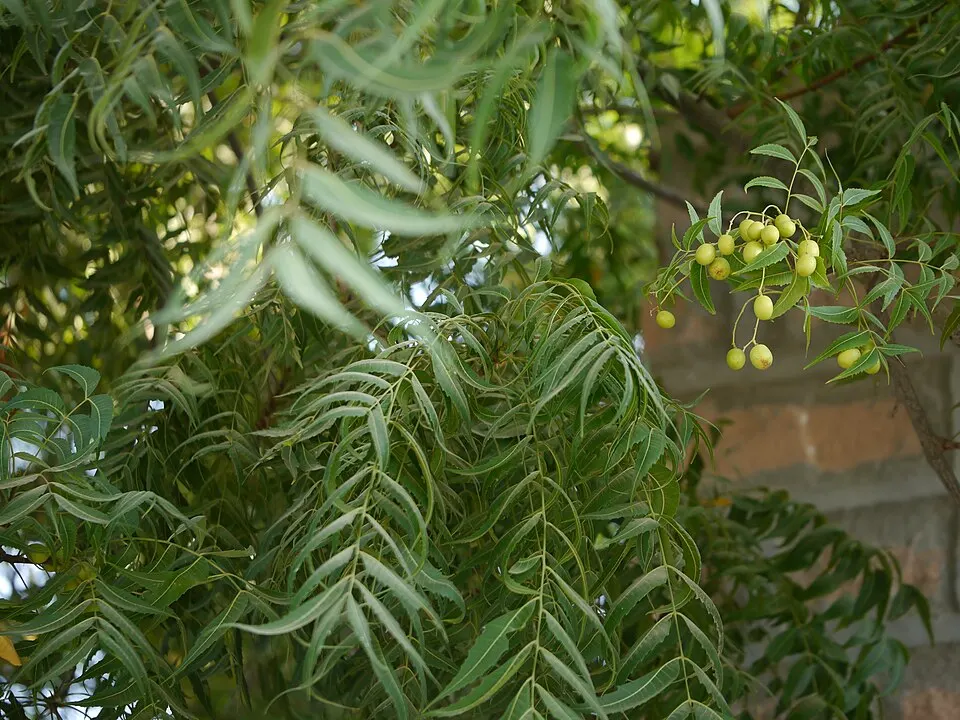
Neem Oil — The All-Purpose Solution
Neem oil is the most effective and safest indoor pest treatment. Mix 5ml neem oil + 1ml dish soap in 1 litre of water, spray thoroughly on all leaf surfaces (both sides) and soil every 7 days for 3 weeks. It disrupts pest reproduction cycles without harming beneficial insects.
Pest-Specific Treatments
For mealybugs: dab with a cotton bud dipped in rubbing alcohol. For fungus gnats: let soil dry completely between waterings and use a yellow sticky trap. For spider mites: increase humidity and spray with water forcefully to dislodge them. For scale: scrape off with a soft toothbrush dipped in soapy water.
Prevention Is Better Than Cure
Inspect new plants for pests before bringing them home — quarantine them for 1–2 weeks. Clean leaves monthly with a damp cloth. Avoid overwatering, which attracts fungus gnats. Good air circulation and appropriate light reduce stress that makes plants vulnerable to pests.
Conclusion
Regular plant inspections and one bottle of neem oil will handle 90% of indoor pest problems naturally. Catch infestations early and you'll never lose a plant to pests again.