Photo: Agnes Monkelbaan / Wikimedia Commons (CC BY-SA 4.0)
📋 In This Article
Propagation is the art of creating new plants from existing ones — and it's one of the most satisfying things a plant parent can do. From a single pothos, you can grow dozens of new plants in weeks.
Stem Cutting in Water
This works brilliantly for pothos, philodendron, tradescantia, and begonias. Cut a 4–6 inch stem just below a node (the bump where leaves emerge), remove lower leaves, and place in a jar of clean water. Roots appear in 1–3 weeks. Change the water every 3–4 days to prevent rot.
Soil Propagation
Dip the cut end in rooting hormone powder, insert into moist propagating mix (perlite + cocopeat), and cover with a plastic bag to create humidity. Keep in bright indirect light. Roots develop in 2–4 weeks. This method works well for succulents, roses, and woody plants.
Leaf Propagation for Succulents
Gently twist a healthy leaf from a succulent at the base (don't snap it — you need the base intact). Lay it on dry cactus mix and mist lightly every 2–3 days. Tiny rosettes emerge from the base in 2–4 weeks. This works for Echeveria, Sedum, and Crassula.
Division for Clumping Plants
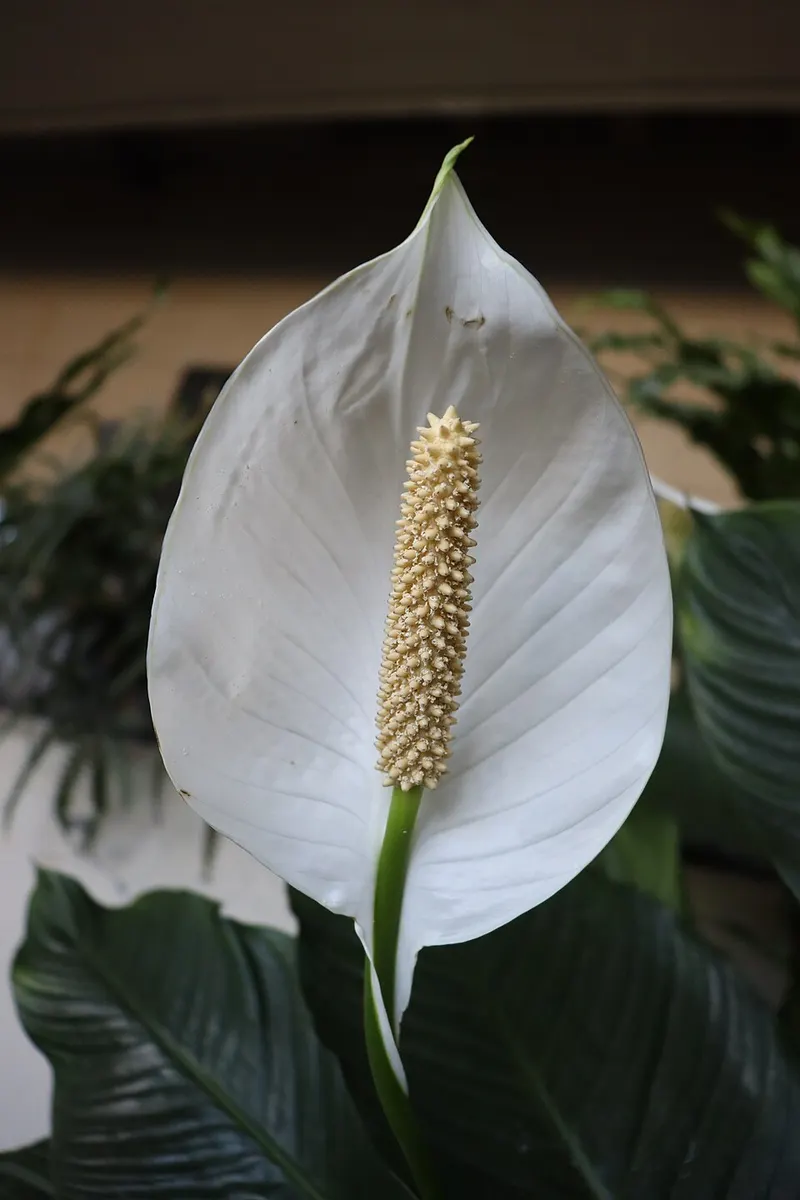
Peace lily, Boston fern, snake plant, and spider plant produce offsets or side shoots that can be separated. Remove the plant from its pot, gently tease apart the root mass, and pot each section individually. This is the easiest propagation method — no rooting required.
- Peace lily — divide at roots in spring
- Snake plant — separate pups with roots
- Spider plant — pot the hanging babies
- Boston fern — divide clumps in spring
Conclusion
Start with a water propagation from your pothos or philodendron — it's nearly foolproof and incredibly satisfying to watch roots emerge. Within a season, you can have enough plants to fill your home or give as gifts.