Photo: Agnes Monkelbaan / Wikimedia Commons (CC BY-SA 4.0)
📋 In This Article
Not every home has floor-to-ceiling windows or a sun-drenched balcony. Fortunately, a surprising number of plants have evolved to thrive in the filtered light of forest floors — and they adapt beautifully to dim Indian apartments.
What "Low Light" Actually Means
Low light doesn't mean no light — it means bright enough to read a book comfortably without turning on a lamp. If you can see your shadow faintly on the floor, the light level is probably sufficient for most low-light plants.
The Best Low-Light Plants
These 10 plants consistently perform well in shaded interiors.
- Snake Plant (Sansevieria) — almost indestructible
- ZZ Plant — thrives on neglect and low light
- Pothos — grows in almost any condition
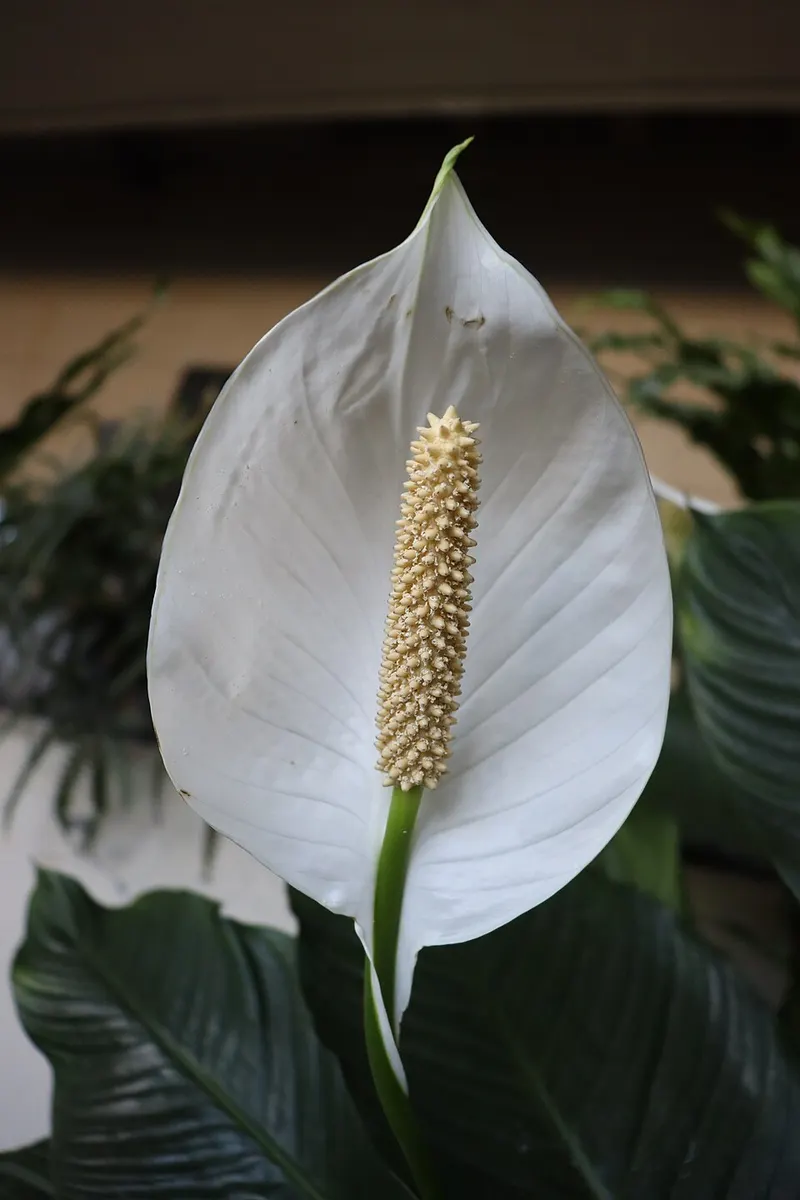
- Peace Lily — flowers even in deep shade
- Cast Iron Plant — survives dark hallways
- Dracaena — elegant and low-maintenance
- Chinese Evergreen — colourful and shade-tolerant
- Philodendron — rapid growth in low light
- Parlour Palm — elegant small palm for corners
- Spider Plant — adapts to most light levels
Care Tips for Low-Light Plants
In low light, plants grow more slowly, so they need less water and fertiliser. Water only when soil is dry to touch, and feed with a diluted liquid fertiliser every 6–8 weeks during the growing season.
Signs Your Plant Needs More Light
Leggy, stretched stems, pale or yellowing leaves, and reduced new growth all signal insufficient light. Move the plant 2–3 feet closer to a window or add a grow light for a few hours daily.
Conclusion
You don't need a sunny home to keep thriving plants — just the right species in the right spots. Start with a ZZ plant or pothos, and you'll gain the confidence to expand your collection.