Photo: Agnes Monkelbaan / Wikimedia Commons (CC BY-SA 4.0)
📋 In This Article
Light is plant food — and getting it right is more important than fertiliser, fancy soil, or expensive pots. Mismatched light is the most common reason plants fail indoors, yet most plant labels describe light requirements vaguely.
The Four Indoor Light Levels Explained
Direct light means sunlight falls directly on the plant (within 1 ft of a south/west window). Bright indirect is the most common ideal — bright room but no direct sun rays. Medium light is a few feet from a window. Low light is the farthest from windows, where reading is possible but just barely.
- Direct sun: cacti, succulents, herbs
- Bright indirect: most tropical foliage, monstera, fiddle leaf
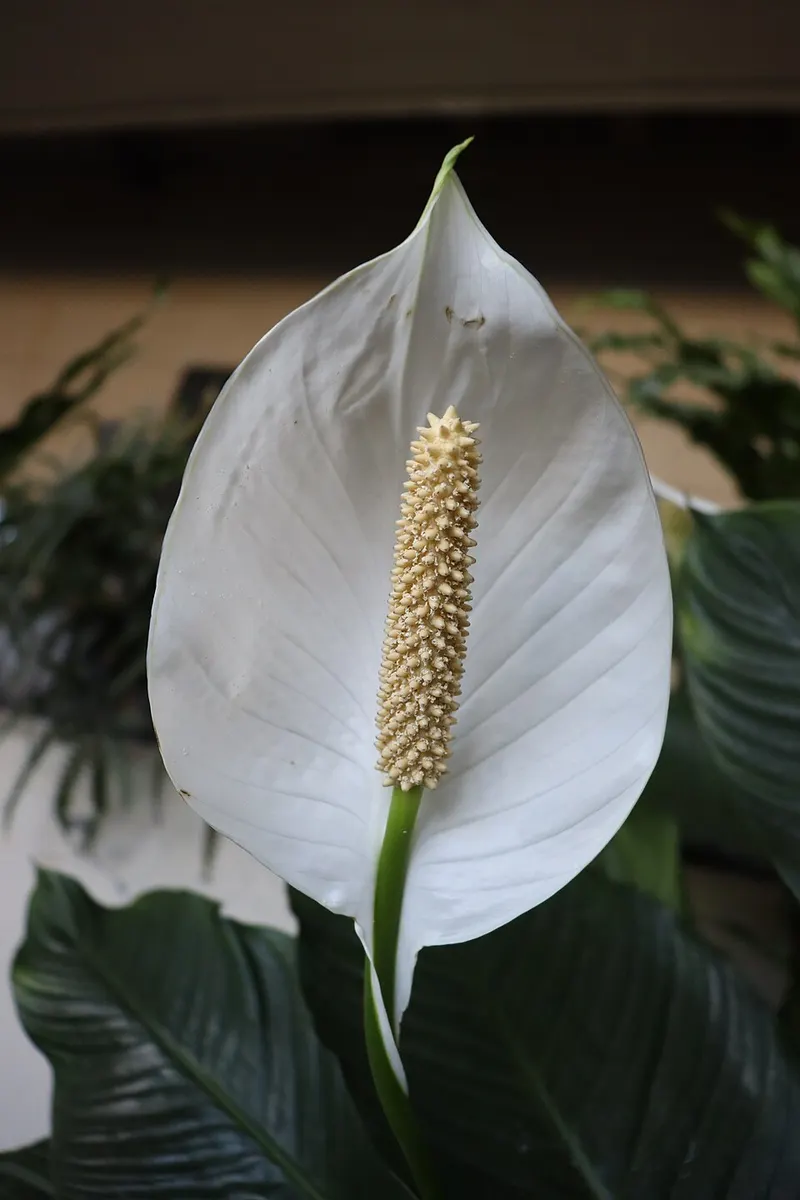
- Medium: pothos, ZZ plant, peace lily
- Low: snake plant, cast iron plant, dracaena
Reading Your Window Orientation
South-facing windows get the most light all day in India — perfect for succulents and herbs. East-facing windows offer gentle morning sun ideal for most tropicals. North-facing windows are low-light — choose snake plants and ZZ plants here. West windows get harsh afternoon sun; use sheer curtains to diffuse it.
Signs of Wrong Light Levels
Too much light: scorched brown patches on leaves, bleached or washed-out colour. Too little light: leggy stretched growth, pale new leaves, dropping lower leaves, no flowering. Adjust placement in small increments — 2 feet at a time — and observe the plant over 1–2 weeks.
Supplementing with Grow Lights
If your home lacks natural light, a full-spectrum LED grow light placed 12–18 inches above the plant for 10–12 hours daily can fully replace sunlight for most houseplants. Modern grow lights are energy-efficient and can clip directly onto shelves.
Conclusion
Understanding your window orientations and matching plants to those spots is a one-time exercise that dramatically improves your success rate. Light is the single biggest variable in indoor plant care.