Photo: Agnes Monkelbaan / Wikimedia Commons (CC BY-SA 4.0)
📋 In This Article
The soil in a pot is the entire world for your indoor plant — it supplies water, nutrients, oxygen, and structural support. Getting the mix right for each plant type is one of the most impactful things you can do for plant health.
Why Standard Garden Soil Doesn't Work
Garden soil compacts in pots, restricts root airflow, and stays waterlogged — leading to root rot. Indoor plants need a lighter, well-draining medium that holds enough moisture without becoming soggy.
The Universal Base Mix
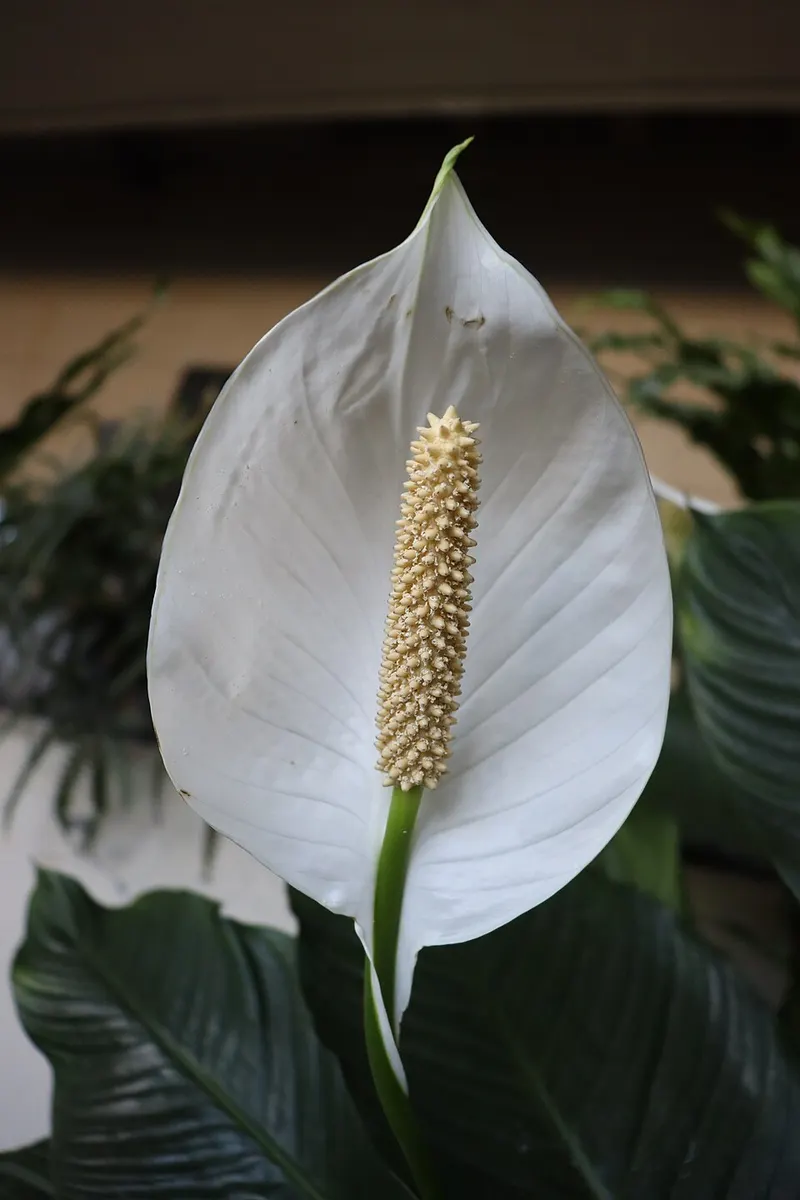
A reliable all-purpose indoor mix combines 60% cocopeat or peat moss (moisture retention), 20% perlite or coarse sand (drainage), and 20% compost or vermicompost (nutrition). This works well for tropical foliage plants like pothos, philodendron, and peace lily.
Specialty Mixes for Different Plants
Succulents and cacti need 50% coarse sand or perlite for rapid drainage. Orchids prefer bark chips with minimal soil. Ferns and calatheas like a peat-heavy mix that stays consistently moist without waterlogging.
- Succulents: 50% sand + 50% potting soil
- Orchids: bark chips + cocopeat + perlite
- Ferns: peat/cocopeat-heavy + some perlite
- Vegetables: compost-rich mix + vermicompost
When and How to Refresh Potting Mix
Potting mix breaks down and compacts over 12–18 months. Signs it needs refreshing include water pooling on the surface, slow drainage, or roots circling the base of the pot. Refresh or repot in spring when the plant is actively growing.
Conclusion
A well-made potting mix is an investment that pays off in faster growth, fewer diseases, and healthier roots. Mix a batch yourself — it's cheaper and more effective than most pre-packaged options.