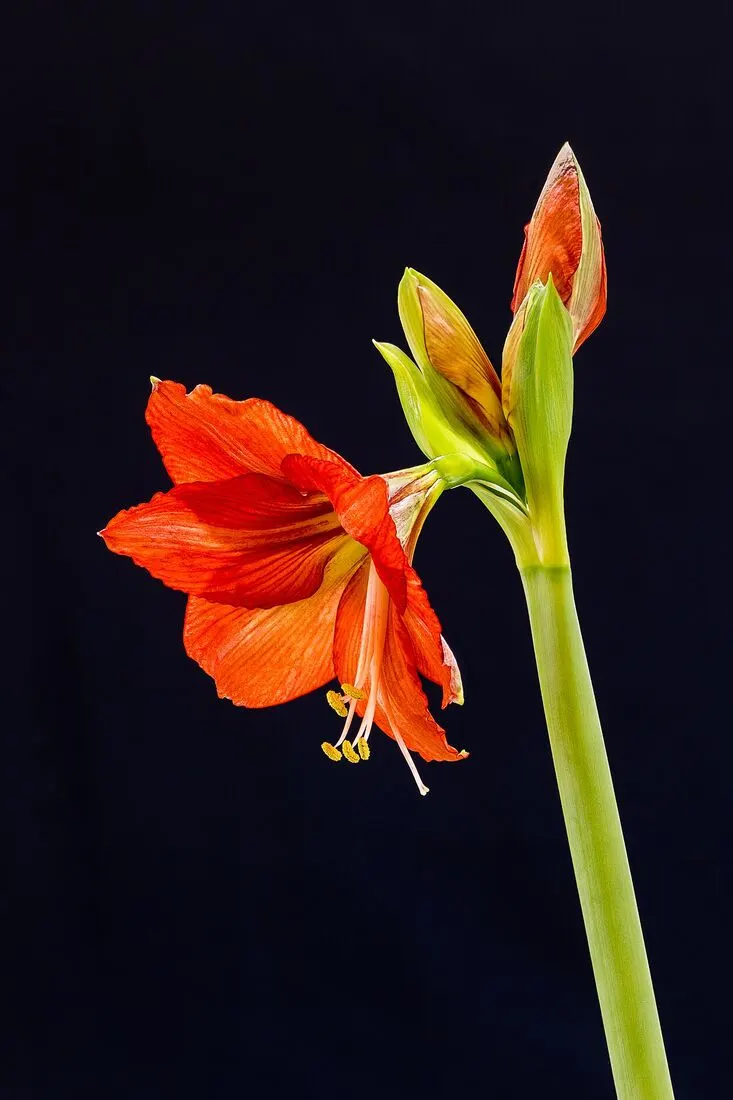
Photo: Agnes Monkelbaan / Wikimedia Commons (CC BY-SA 4.0)
📋 In This Article
Most popular houseplants are tropical in origin — they prefer warm temperatures and moderate to high humidity. Indian summers are naturally hospitable, but air conditioning, dry winters, and ceiling fans create microclimates that can stress plants significantly.
Ideal Temperature Range for Houseplants
Most tropical houseplants thrive between 18°C and 30°C — which fortunately aligns with most Indian homes. Problems arise when AC drops room temperature below 15°C, or cold drafts from windows chill plants overnight. Avoid placing plants directly under AC vents or near windows that let in cold night air.
Why Humidity Matters
Tropical plants like calatheas, ferns, and orchids prefer humidity between 50–70%. Most Indian homes during summer are naturally humid, but AC and heating during winter can drop humidity to 20–30%, causing brown leaf tips, curling, and leaf drop. A hygrometer (₹300–500 online) can measure your room's humidity.
How to Increase Humidity at Home
Group plants together — they create a shared humid microclimate. Mist leaves with water 2–3 times per week in dry weather. A small humidifier near your plant corner is the most effective solution. Bathrooms and kitchens are naturally humid — good spots for ferns and orchids.
- Pebble tray with water under pots
- Group plants together
- Mist leaves in dry weather
- Use a small humidifier
- Move humidity-loving plants to bathrooms
Seasonal Adjustments
In Indian monsoon (June–September), humidity is naturally high — you can water less frequently. In winter (November–February), plants slow their growth so reduce watering and stop fertilising. In summer, watch for heat stress in west-facing windows and shield plants from direct afternoon sun.
Conclusion
Once you understand your home's seasonal micro-climate, you can proactively adjust conditions rather than reacting to stressed plants. A thermometer, a hygrometer, and a pebble tray are the only tools you need.