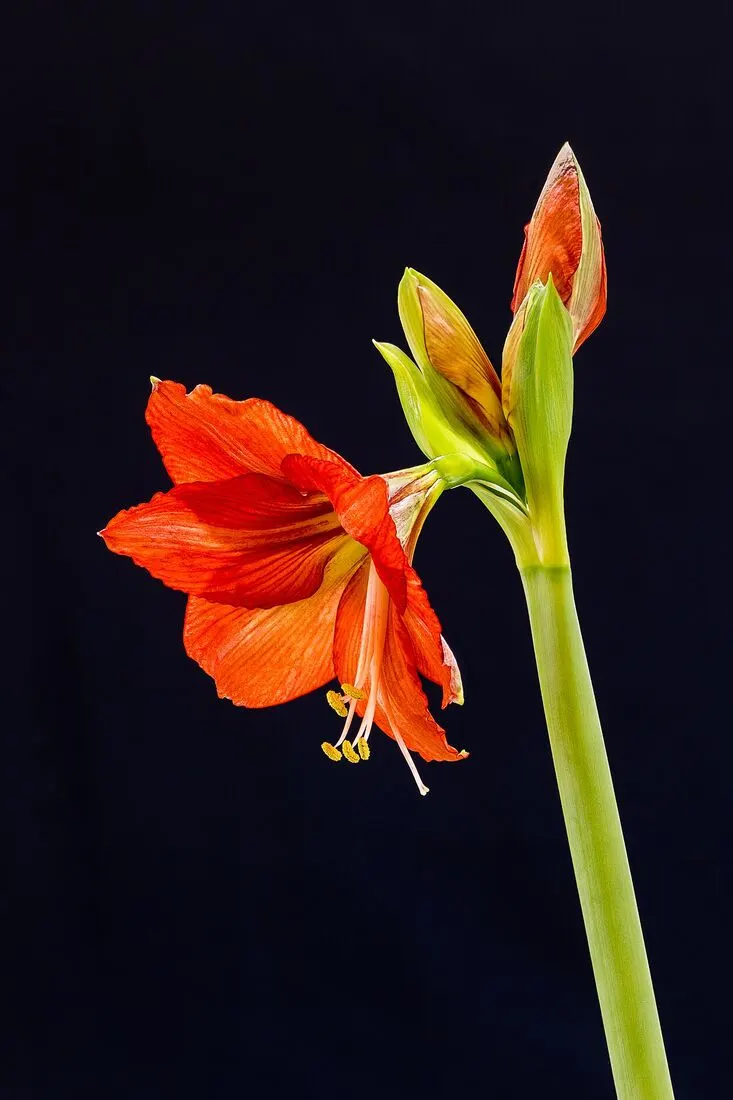
Photo: Agnes Monkelbaan / Wikimedia Commons (CC BY-SA 4.0)
📋 In This Article
Repotting is one of the most impactful things you can do for a struggling or slow-growing plant. Getting the timing and technique right ensures minimal stress and maximum growth after the move.
Signs Your Plant Needs Repotting
Roots circling the base or growing out of drainage holes, water rushing straight through without being absorbed, plant becoming top-heavy and falling over, or noticeably slowed growth despite good light and watering — all indicate a root-bound plant that needs more space.
- Roots emerging from drainage holes
- Roots circling visibly on soil surface
- Water drains too fast without being absorbed
- Plant wilts quickly after watering
- No new growth despite good conditions
Choosing the Right New Pot
Go up only one pot size (2–4 cm larger diameter) at a time. A pot too large holds excess moisture that can cause root rot. Terracotta pots are ideal for plants prone to overwatering; plastic or glazed ceramic are better for plants that prefer consistent moisture.
Step-by-Step Repotting Guide
Water the plant 24 hours before repotting to ease root removal. Tip the pot sideways and gently ease the root ball out. Loosen the outer roots with your fingers, remove any dead or rotting roots with sterilised scissors, then place in the new pot with fresh mix and water thoroughly.
Post-Repotting Care
Keep the plant in bright indirect light for 1–2 weeks — avoid direct sun. You may notice temporary wilting or dropped leaves as the plant adjusts. Do not fertilise for 4–6 weeks after repotting, as the fresh potting mix contains enough nutrients. Resume normal care once new growth appears.
Conclusion
Most indoor plants need repotting every 1–2 years. Done correctly, it reinvigorates growth and dramatically extends the life of your plant. It's a skill that takes one try to master.