Photo: Rihaz Ramzaan / Wikimedia Commons (CC BY-SA 4.0)
📋 In This Article
May and June are the transition months between India's brutal summer and the welcome monsoon. These 6–8 weeks of preparation determine whether your garden thrives or struggles through the rainy season.
Drainage Preparation
Check all container drainage holes are clear. Create drainage channels in garden beds to direct excess water away from plant roots. In waterlogging-prone areas, build raised beds at least 30 cm above ground level. Clean and clear roof gutters if you plan to harvest rainwater.
Soil Preparation
Top-dress all garden beds with compost and lightly fork it in. Pre-monsoon is an excellent time for green manuring — sow cowpea or dhaincha now and it will be ready to dig in when the rains arrive. Improve drainage in clay-heavy soil by incorporating coarse sand or perlite.
Plant Pruning and Support
Prune back overgrown plants by 30% before the rains — heavy monsoon growth on unpruned plants creates dense canopies that trap humidity and breed fungal disease. Stake and tie all tall plants (dahlias, climbing roses, tall tomatoes) securely before the first monsoon storms.
Stocking Up
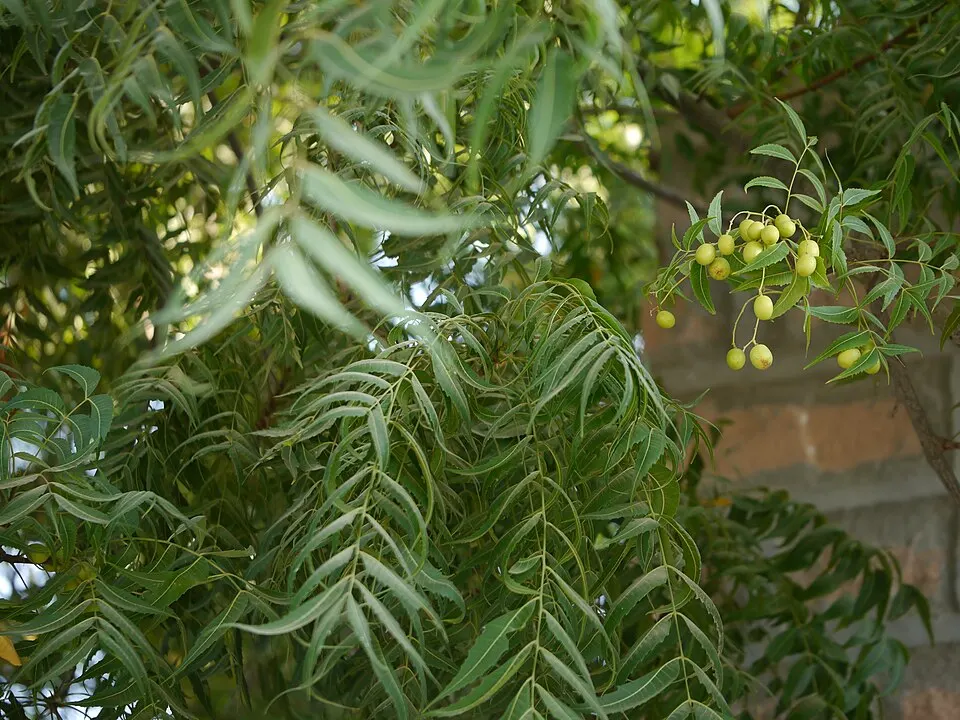
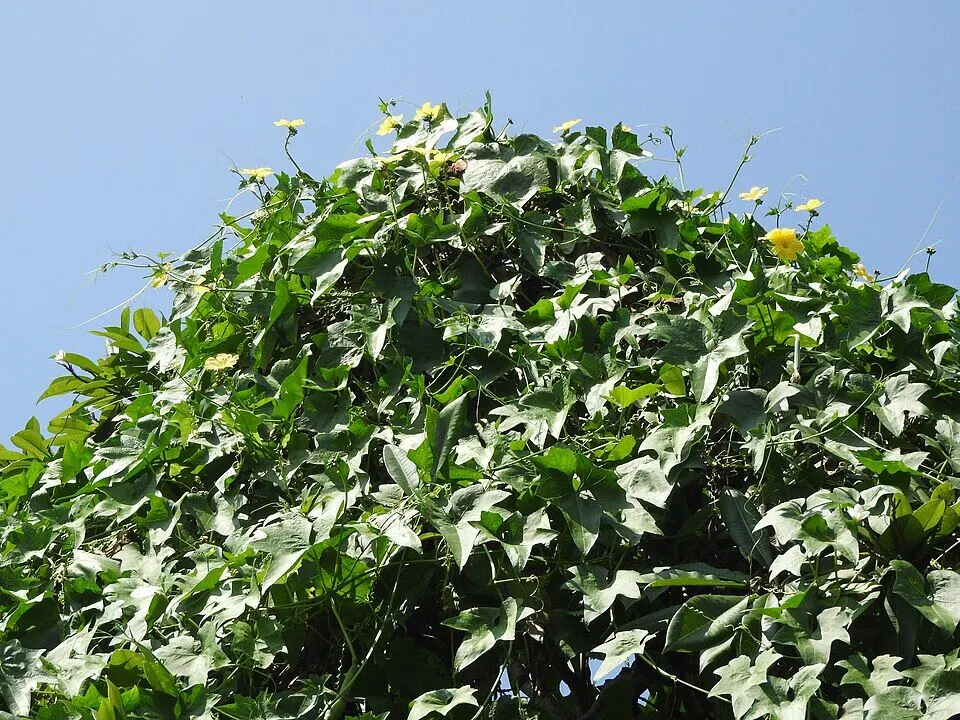
Buy neem oil, copper fungicide, and yellow sticky traps before the monsoon begins — preventive treatment in June saves major problems in July and August. Stock seedlings of monsoon crops (bitter gourd, ridge gourd, snake gourd) or start seeds in June for July transplanting.
Conclusion
Two weekends of pre-monsoon preparation in May can prevent months of problems. Drainage, drainage, and drainage — this is the single most important preparation for a successful monsoon garden.