Photo: Rihaz Ramzaan / Wikimedia Commons (CC BY-SA 4.0)
📋 In This Article
Indian winter is arguably the best time to grow vegetables — cool temperatures produce sweeter flavour, fewer pests, and lower water requirements. From rooftop gardens to kitchen balconies, these cool-season crops are among the most productive and satisfying to grow.
Leafy Greens: Easiest Winter Crops
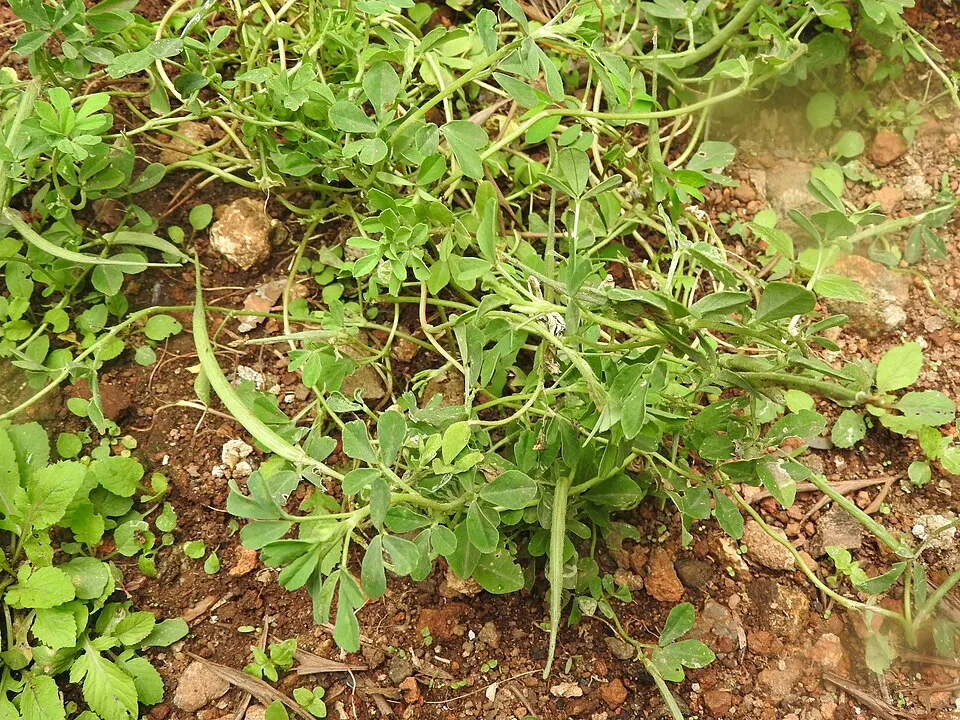
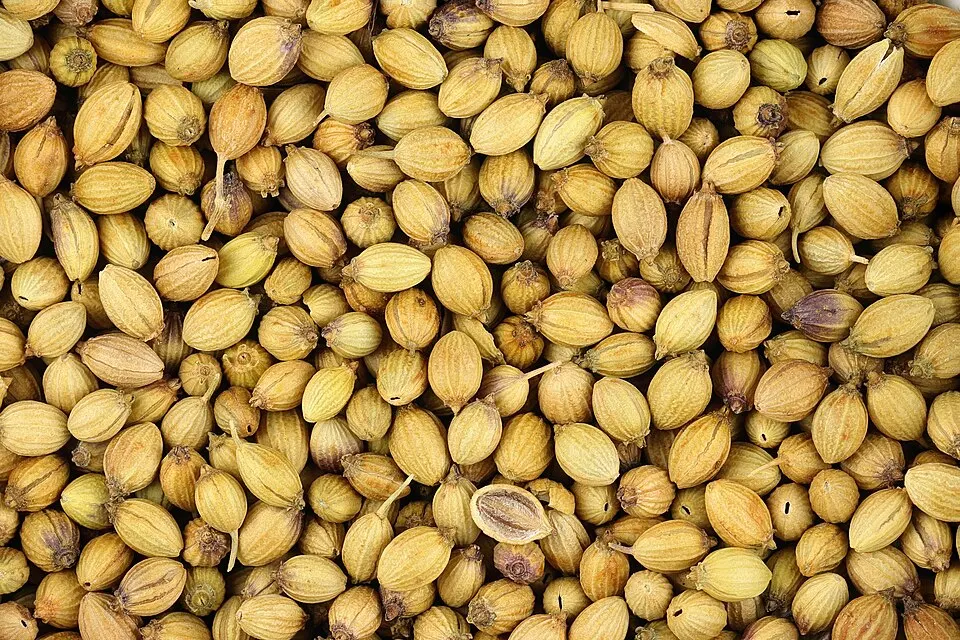
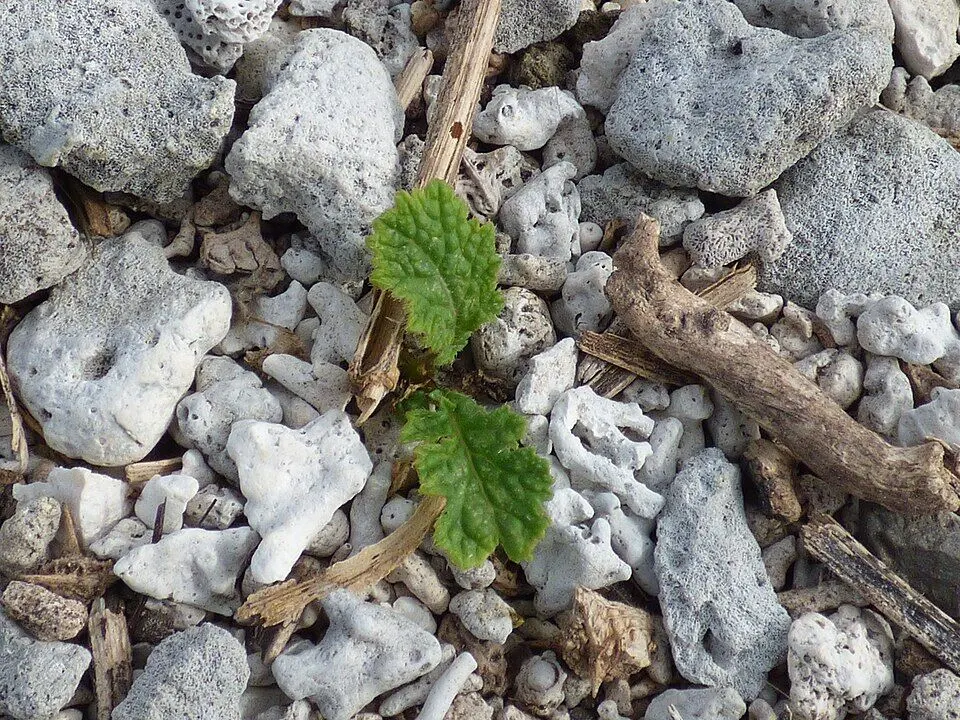
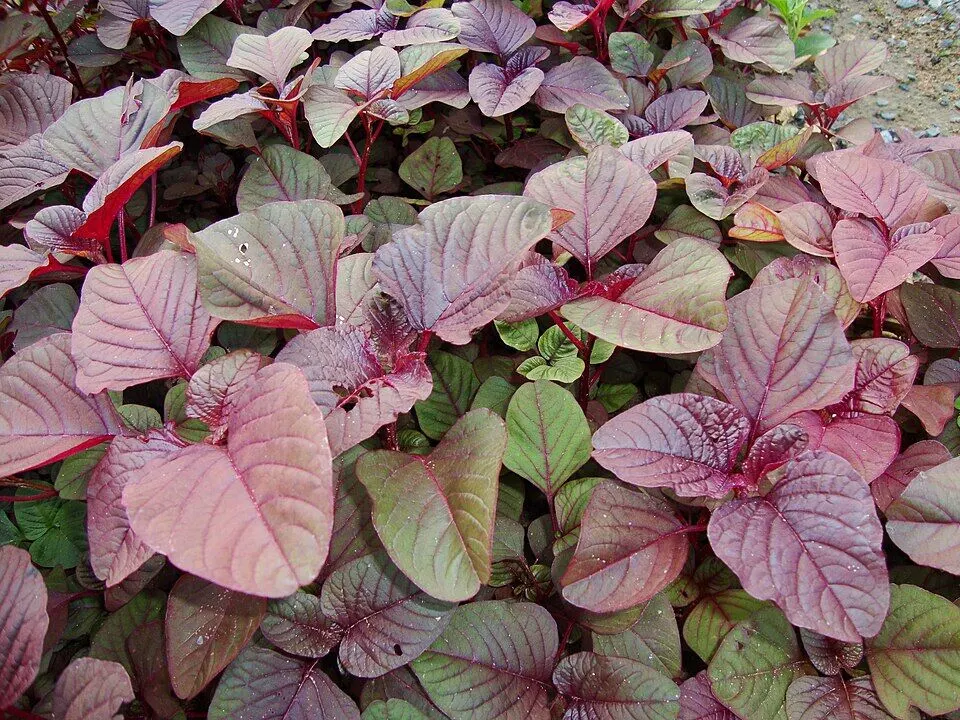
Spinach, fenugreek (methi), mustard greens, amaranth, and coriander grow explosively in cool weather and can be harvested within 3–4 weeks of sowing. Sow seeds thickly in wide rows and harvest as microgreens at 2 weeks or as young plants at 4–5 weeks. These fast crops are ideal for impatient gardeners.
Brassicas: The Winter Kings
Cauliflower, cabbage, broccoli, and kohlrabi are winter staples. Buy nursery-raised transplants in October and plant at 40–60 cm spacing. They take 60–90 days to mature but are highly rewarding. Feed monthly with nitrogen fertiliser and protect from cabbage worm caterpillars (Bacillus thuringiensis spray is the organic solution).
Root Vegetables for Depth
Carrots, radishes, turnips, and beetroot are best sown directly in loose, deep soil from October–December. Radishes mature in just 25–30 days — the quickest harvest in the garden. Carrots take 70–80 days but the fresh flavour of home-grown carrots is incomparable to anything available in markets.
Peas and Beans
Garden peas and snow peas are the jewels of the winter vegetable garden. Sow directly in October–November in North India (September–October in higher elevations). Provide a trellis or net for climbing varieties. Harvest when pods are full but before they become starchy. Peas fix nitrogen in the soil, benefiting the next crop.
Conclusion
Indian winter gives you the greatest variety and easiest growing conditions of the entire year. Start with spinach and radish (both harvest in 3–4 weeks) and add peas and cauliflower transplants for a winter garden that produces abundantly from December through February.